BT Football Academy’s trip to Spain for the Donosti Cup was full of ups and downs. They faced big problems like visa delays, high flight prices, and tricky travel plans that almost left the team stuck far from home. But the young players stayed strong, playing hard on the field and leaning on each other and kind locals off it. The Cape Town community rallied behind them, sending support and hope during tough times. In the end, this journey became more than football—it was about courage, friendship, and never giving up.
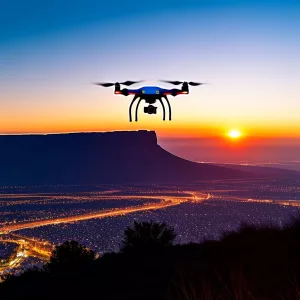
Drones are not allowed to fly over Signal Hill and Table Mountain National Park unless you have special permission. This rule helps protect animals and plants, and keeps visitors safe, especially after dark when wildlife is active. While drones can help scientists study nature, flying them without approval can disturb animals and break the law. The park asks everyone to respect these rules so its beauty and wildlife stay safe for the future.
In 2025, South Africa’s SASSA OldAge Grant changed to help pensioners better face rising living costs. The grant got a bigger increase in April and added a new fourth monthly payment from August to speed up delayed payments. However, tougher income checks mean more paperwork and waiting for many elderly people. While technology and an appeals system aim to make things smoother, some seniors still struggle with confusing rules and digital hurdles. Despite challenges, this grant remains a vital lifeline, giving dignity and hope to millions of South Africa’s elders.
The Wilderness Hotel on South Africa’s Garden Route has been a beloved landmark for over a century, known for its royal visits and important local gatherings. Now, under Anew Hotels & Resorts, it’s being beautifully restored to blend its historic charm with fresh, modern comforts. Surrounded by stunning nature, the hotel will celebrate local culture, art, and sustainability, creating a warm and lively space for both visitors and the community. Soon reopening, it promises to be a bright new chapter that honors its past while welcoming the future.
The South African Police Service (SAPS) struggles with deep public mistrust because of its dark past in apartheid, ongoing corruption, and harsh treatment of citizens. Many people feel unsafe and ignored, with only about 22% trusting the police today. Despite official ceremonies and promises of reform, everyday life shows a different story—where police often fail to protect or respect communities. This broken trust leaves neighborhoods relying on themselves, hoping for a kinder, fairer police force in the future.
Elsies River, once a quiet suburb, now lives in fear of smashandgrab attacks that happen at busy intersections. Organized gangs use children and women to trick and rob drivers quickly and smartly. Poverty, broken neighborhoods, and weak police efforts help criminals operate with little fear. Despite the danger, the community stays strong, using technology and looking out for one another to stay safe. But real solutions need fixing deep problems like poverty and lack of chances for young people.
The 2025 tax season in South Africa brings fresh changes like earlier deadlines, expanded autoassessment, and new deductions that help taxpayers save money. Filing early, keeping good records, and using trusted tax experts can make the process smoother and less stressful. Technology plays a bigger role now, making filing easier, but careful attention is still key to avoid costly mistakes. Paying taxes on time is not just a rule—it helps build a stronger, fairer society for everyone. With the right mindset, tax season becomes a chance to take control of your financial future.
The Southern Ocean, once a steady guardian of Antarctica’s ice, is now changing in surprising ways. Instead of staying cold and fresh, its surface is growing saltier as warm, deep waters rise, melting sea ice and releasing ancient carbon into the air. This shift threatens Antarctic wildlife, like penguins and krill, and could speed up global warming while altering weather far beyond the South Pole. What seemed like a stable natural fortress is now a warning sign of a fragile climate, urging us to act before more damage unfolds.
In Green Point, Cape Town, Gary Trappler was found guilty of slashing Thandi Mgwaba’s car tyres after new CCTV footage revealed his actions. This trial showed how video evidence is changing the way justice works, bringing hidden acts to light. It also revealed the tensions beneath the calm streets of a diverse neighborhood, where small conflicts can grow into big legal battles. The case reminds us how trust, technology, and fairness all mix together in the life of a busy city.
On May 20, 2025, Hanover Park was shaken when Igshaan Williams, a known paroled sex offender, kidnapped and attacked a young girl on her way to school. The community quickly came together, searching fiercely and rescuing her from his home. This tragic event sparked anger and fear, shining a harsh light on failures in the parole system and pushing residents to demand stronger protection. Despite the pain, Hanover Park’s spirit stayed strong, showing deep unity and hope in the face of darkness. Their fight for justice is a powerful reminder that even in tough times, people can rise together to protect one another.
Elon Musk’s America Party is a bold new political group aiming to shake up the old twoparty system in the U.S. Using social media and digital tools, Musk wants to bring fresh, businessstyle ideas to government and hold politicians accountable. His plan targets key election districts to make a big impact, even as critics warn third parties can split votes and weaken challengers. Whether loved or doubted, Musk’s movement has already stirred the political landscape and sparked lively debate about the future of American democracy.
The Cape is bracing for two strong winter storms bringing heavy rain, fierce winds up to 75 km/h, flooding, and even snow in the mountains. The wild weather will challenge roads, farms, and coastal communities, as people prepare to protect homes, livestock, and boats. Despite the danger, there’s a deep respect and shared spirit among locals who have weathered such storms for generations. These fierce cold fronts remind everyone of nature’s power and the strength of community in tough times.
South Africa’s budget faces tough challenges like high debt and slow growth, forcing the government to find smart ways to raise money without upsetting people too much. Instead of raising VAT, it leans on higher taxes on alcohol, tobacco, and fuel to bring in cash. These moves help fill the budget gap but also make life harder for many ordinary South Africans, who feel the pinch in daily costs. The government also uses “bracket creep,” quietly taxing more as incomes rise with inflation. Balancing the budget while keeping the country stable and fair is a delicate and ongoing struggle.
In 20172018, South Africa faced a deadly listeriosis outbreak caused by contaminated processed meats from a major factory, leading to over 1,000 infections and 200 deaths. This crisis shook the nation’s trust in food safety and exposed big companies’ failures to protect the public. Scientists used powerful DNA tools to trace the outbreak to one company, Tiger Brands, which after years of legal battles, began offering partial compensation to victims in 2025. The tragedy sparked a strong call for better food rules, corporate responsibility, and justice for all affected families. It remains a sharp reminder that keeping food safe is vital and must never be taken for granted.
Shein shook up South Africa’s fashion scene by using a customs rule that let small packages pay lower taxes, making its clothes very cheap and tough for local stores to compete. But in 2025, the government stepped in and changed the rules, raising tariffs and closing the loophole to protect local businesses. This shift made Shein’s prices go up and gave South African shops a chance to bounce back. The story shows how global online shopping can clash with local laws and the struggle to balance cheap goods with fair trade and community jobs.
South Africa is facing a big debate about whether to tax the superrich more to help fix deep economic gaps and raise money for public services. Some say a wealth tax would make things fairer, while others worry rich people might leave or hide their money, making the tax hard to collect. The government already taxes high earners heavily, but many believe this isn’t enough to close the gap between rich and poor. This debate is about more than money—it’s about building a fair society where everyone shares in the country’s success.