In South Africa, people earning minimum wage are struggling as food prices soar much higher than their paychecks. While wages increased by 38%, the cost of basic food items jumped by 68%. This makes it tough for families to put healthy meals on the table, forcing them to choose cheaper, less nutritious options. The gap between what people earn and what they need to survive is growing, highlighting the urgent need for change. Many voices are calling for solutions to help these hardworking families find a way to live better lives.

In South Africa, there is a big debate about how to change healthcare for the better. One idea is the National Health Insurance (NHI) plan, which aims to give everyone access to healthcare through a governmentrun system. However, some people worry it might take too long and be hard to put into action. On the other side, the Universal Healthcare Access Coalition (UHAC) suggests a different path with a dual system, mixing tax funding and insurance to make sure everyone gets care without waiting years. This plan focuses on helping the poorest while allowing those who can pay to contribute, all while making local healthcare more responsive to people’s needs.
In South Africa, police wellness is being boosted through exciting workshops where different experts come together to tackle tough challenges facing officers. Recently, a vibrant gathering at the Birchwood Hotel brought together police leaders, health officials, and community members to share ideas and find better ways to support the police force. They discussed important topics like mental health, accountability, and the need for better working conditions. Everyone left feeling hopeful and ready to make real changes that will not only help the police but also create a safer and happier South Africa for all.
South Africa is stepping up the rules for spaza shops—small shops that are vital to local communities. By February 28, 2025, all spaza shop owners need to register with their local governments to keep food safe and follow health guidelines. The government is helping these shop owners by offering training to understand new rules and improve food safety practices. This effort not only aims to protect public health but also to support these businesses as they play a key role in their neighborhoods, creating jobs and boosting local economies. With proper guidance, spaza shop owners can thrive in a safer and more regulated environment.
The Cape Peninsula Baboon Advisory Group (CPBAG) is a new team formed in 2025 to help baboons and humans live together peacefully in South Africa’s beautiful Cape Peninsula. They bring together community members, scientists, and animal welfare advocates to find smart and kind ways to manage the local baboon population. With so many people living near baboons, CPBAG focuses on listening to the community and using their ideas to solve problems. This exciting initiative not only aims to protect the baboons but also ensures a healthy environment for future generations to enjoy.
South Africa is stepping into a new age with Smart ID cards, replacing the old green ID books. These new cards are safer, making it harder for identity theft to happen, and they will help the government serve people better and faster. While the green books will still be valid for now, the government is working hard to get everyone a Smart ID, especially those in remote areas. This change is important for everyone, as it promises a more secure and modern way to prove who you are in a digital world. Overall, the move to Smart ID cards is a big leap toward a safer and more efficient future for all South Africans.
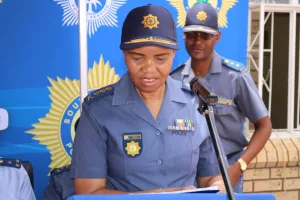
In South Africa’s Northern Cape, a heartwarming initiative is changing how police treat victims of genderbased violence. They are creating special Victim Friendly Rooms in police stations, where survivors can feel safe and cared for. This project, led by Lieutenant General Koliswa Otola and her team, aims to build trust within the community and make victims feel supported. By using technology and compassionate approaches, police are not just enforcing laws; they are becoming a source of comfort and strength for those in need.
Colonel Celeste van der Klashorst is a fearless leader in South Africa’s fight against violence and crime, especially those targeting women and children. With over thirty years of service, she created Child Protection Units and now leads the National SECI Unit, tackling serious issues like serial rape and child pornography. Her team’s recent success in a major operation has led to arrests and rescued children, showing the powerful impact of her work. Colonel van der Klashorst inspires others with her passion for justice, making her a shining example of hope and resilience in the battle for a safer society.
Alexkor SOC Ltd is a stateowned company in South Africa that started in 1992, focusing on diamond mining. It plays an important role in the mining industry by working closely with the Richtersveld community, promoting fairness and economic growth. This partnership helps the community reclaim its land and heritage, while Alexkor manages valuable resources responsibly. Despite facing challenges in governance, Alexkor strives for transparency and ethical practices, reminding everyone of the delicate balance between mining for wealth and caring for the community and environment.
In Johannesburg, the South African Police recently made a big move against fake goods, seizing over 6,000 counterfeit items worth R3 million. This operation, involving multiple law enforcement teams, targeted busy shopping centers, taking action to protect shoppers and local businesses from harmful knockoffs. Along with the impressive haul of fake clothing, watches, and medicines, two illegal immigrants were also arrested. This effort shows a strong commitment to keeping the city’s economy safe and ensuring that consumers can trust the products they buy. Johannesburg is standing firm against counterfeit goods, shining a light on its vibrant heart.
Cape Town is getting ready for exciting celebrations like Diwali and Guy Fawkes Night, but there are important rules about fireworks! To keep everyone safe, people must get permission from the police and have their event checked by the Fire and Rescue Service. While many love the colorful displays, some worry about noise and the danger to pets and wildlife. As the city balances fun traditions with safety, it’s clear that thoughtful celebrations can light up the sky without causing chaos below.
South Africa is shining bright in the world of egovernment, jumping to 40th place on the United Nations eGovernment Index in 2024, up from 65th in 2022. This impressive rise shows the country’s strong push for digital change, with a focus on making government services better and more transparent for everyone. The National eGovernment Portal is a key part of this progress, offering 134 online services that make it easier for people to access what they need without long waits. With plans to keep improving, South Africa is setting an example for others in Africa and showing how technology can help everyone in society.
African penguins, known for their cute waddles and funny calls, are in big trouble. Their numbers have dropped by 97%, and if we don’t act fast, they could disappear by 2035! To help save these charming birds, you can sign petitions, share their story on social media, teach others about their importance, or volunteer with groups like SANCCOB. Every little bit counts, and your support can make a huge difference in keeping the African penguin waddling along South Africa’s shores for years to come!
Sinful II is a dazzling Halloween party in Cape Town that promises a night of fun and fantasy. Attendees will be swept away by stunning performances, enchanting decorations, and lively music while dressing up as characters inspired by the Seven Deadly Sins. Held in an underground venue, the event is a sensory delight featuring aerialists, burlesque dancers, and thrilling fire shows. With a strict dress code and a chance to win VIP tickets, Sinful II invites everyone to explore their creativity and indulge in a magical experience that blends elegance and excitement.
The Employment Standards Conference in South Africa was a lively event focused on improving workers’ rights. Minister Nomakhosazana Meth proudly shared successes like the National Minimum Wage Act, which has lifted millions out of poverty. She announced a bold plan to bring in 20,000 interns to help enforce labor laws, emphasizing the importance of fair work conditions for everyone. The conference underscored a strong commitment to social justice, with leaders and labor inspectors uniting to tackle ongoing challenges in the labor market. With a shared vision for the future, the focus remains on creating a fairer workplace for all South Africans.
The Johannesburg Mining Indaba is a vital event for South Africa’s mining industry, bringing together leaders to discuss the future. This year, Minister Gwede Mantashe highlighted how mining is key to job creation and economic growth. With challenges like job losses and decreasing mineral production, the government is focusing on improving energy and infrastructure. They aim to diversify minerals, especially in new energy technologies, while also encouraging investment and supporting small miners. These efforts will help secure a brighter future for both the mining sector and the country.