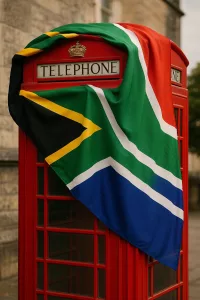
South Africa is making big changes to keep a close eye on its top leaders! They made a new special committee in their parliament to watch the President. This committee will make sure the President and their office are doing things right and spending money wisely. They looked at how other countries do this to learn the best ways. This means more openness and trust, making sure everyone in power is held accountable to the people.
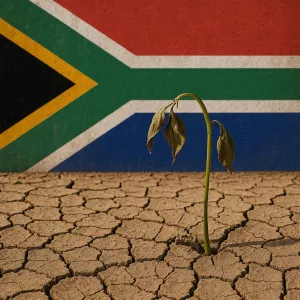
South Africa’s water system is a mess! Almost half of its drinking water isn’t safe, and nearly all wastewater plants are failing. This causes sickness and poisons rivers. Bad money choices, poor upkeep, and old pipes mean lots of water is wasted. The government knows there are huge problems and needs to fix them fast to keep people healthy and our environment safe.
Every July 18th, Cape Town lights up with energy to honor Nelson Mandela by mixing creativity, learning, and community spirit. Kids dive into fun coding games that teach digital skills, while people gather in City Hall to explore moving exhibits about Mandela and the city’s history. Across neighborhoods, neighbors come together in sports, safety workshops, and small acts of kindness, showing the true meaning of “ubuntu” we are stronger together. This unique celebration keeps Mandela’s dream alive by inspiring hope, courage, and connection every day.
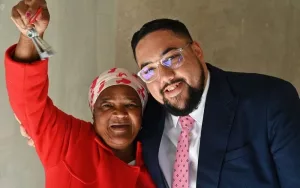
Cape Town has a bold plan to fix its housing problems by upgrading informal settlements, improving public housing, and building affordable homes. The city is putting a lot of money into giving people serviced plots with basic utilities so families can build their own homes step by step. By involving communities directly, Cape Town is turning tough neighborhoods into vibrant places where people feel proud and safe. This plan is about more than just houses it’s about creating hope, belonging, and a future where everyone has a place to call home.
South Africa’s recent break from power cuts isn’t because Eskom fixed its problems, but thanks to everyday people using rooftop solar panels and community energy projects. With less electricity needed by big industries due to economic troubles, the country has found some breathing room. While Eskom boasts about progress, the real heroes are families and small businesses who took energy into their own hands. This grassroots energy shift is creating a stronger, more independent future for South Africans, lighting the way beyond traditional power struggles.
Many Afrikaners face tough times in South Africa, but many still choose to stay because they feel deeply connected to their land and culture. While some leave, seeking safety and comfort abroad, most keep building their lives, communities, and traditions at home. They meet challenges with hope and strength, showing a quiet courage and love for their country. Their story is one of resilience and faith in South Africa’s future.
Ben Moabi, known as “The Mighty B,” is a police officer and radio presenter from Letlhabile who works hard to keep his community safe and hopeful. He uses his voice on the radio to educate and connect people, while also fighting crime with care and courage. Ben inspires young people by sharing his story of hard work and believing in a better future. Balancing his roles as a father, officer, and communicator, he shows that real change comes from listening, acting, and caring deeply for others. His life is a bright example of how one person can bring people together and make a difference every day.
Lieutenant General Nhlanhla Mkhwanazi is a true leader in making South Africa safer through smart risk management. He has changed how people think about safety by involving the community and creating new strategies to tackle threats. Recently named ‘Risk Influencer of the Year,’ his work inspires others to share responsibility for safety. His success shows that strong leadership and fresh ideas can help build a safer, more resilient future for everyone.
The Bishop Lavis Sports Ground has been transformed into a bright, lively place for everyone to enjoy. It now features a new synthetic soccer pitch, athletics track, cricket oval, floodlit courts, playgrounds, picnic spots, and better parking and security. This fresh space brings hope and joy to the community, where children play, families gather, and dreams are nurtured. The upgrade shows how teamwork between the city and residents can turn a tired park into a shining symbol of pride and togetherness.
Warrant Officer Avela Nokwe is a caring social worker in the South African Police Service who helps officers and their families heal from trauma and stress. Growing up in a small Eastern Cape village, he felt called to support others, choosing a path of learning and compassion. At SAPS, Nokwe creates programs that build mental strength and kindness within a tough police culture. His work shows that true bravery includes the courage to listen, care, and help others grow strong inside. Nokwe’s journey shines as a hopeful example of healing and heart in service to the community.
DHL Stadium stands out as a shining example of smart and ecofriendly design in sports. With its special hybrid pitch that blends grass and synthetic fibers, it can handle much more use than regular fields, making it perfect for all kinds of events. The stadium has hosted over 200 events, attracting huge crowds and boosting the local economy. Recognized for its impressive project management and sustainability efforts, DHL Stadium is not just a sports venue; it’s a vibrant hub for the community and a leader in modern stadium management.
The Dinner of Discovery at Nederburg is a magical dining adventure in South Africa’s Cape Winelands. Guests move through secret spots on the historic estate, tasting fresh, creative dishes paired perfectly with Nederburg wines. Each course tells a story, blending old traditions with bold new flavors, all set against stunning views and candlelit cellars. It’s not just a meal it’s a journey that awakens all the senses and leaves lasting memories.
The city is on a mission to fix its underground water pipes and the messy trenches they leave behind, setting aside R55 million for repairs in 2024/25. With help from contractors, they plan to work efficiently and keep everyone informed with monthly updates. This project aims to restore roads and sidewalks while also replacing old pipes to prevent future disruptions. Using strong materials and smart technology, the city hopes to create a smoother, safer environment for all its residents, showing a true commitment to a better urban life.
Waste interceptors are floating barriers placed in city rivers and canals to catch trash before it spreads. They help keep waterways clean, protect fish and plants, and make the water safer for everyone. These simple but smart devices work quietly, cost little, and fit well into the flow of water. By stopping litter early, they help build a cleaner, healthier city for today and the future. When people care and work together, these small helpers can make a big difference.
Captain Loganathan Chetty is a brave leader in the South African Police Service, fighting hard for justice as the head of the Milnerton Family Violence, Child Protection, and Sexual Offences Unit. With over 33 years of experience, he dedicates his life to protecting women and children from harm. His journey began inspired by his uncle, and he’s faced many tough cases, like the heartwrenching investigation of a missing child. Through his relentless efforts, Captain Chetty not only brings criminals to justice but also helps create a safer world for the most vulnerable. His story is a shining example of courage and commitment to making a difference.
Keith Dodgen’s begging experiment in Cape Town showed how giving money on the street is full of mixed feelings kindness, discomfort, and social divides. By pretending to beg, he saw how people’s reactions were different: some gave generously, others avoided eye contact, and many just kept moving. The experiment also raised big questions about what charity really means and how it fits into a city full of sharp contrasts between rich and poor. In the end, Cape Town’s streets became a stage showing the struggles and hopes of everyday life, reminding us to think deeper about generosity and inequality.