South Africa has opened its railways to private companies for the first time in decades, sparking fresh energy and hope for the future. Eleven new operators will run trains on 41 key routes, boosting freight capacity, creating jobs, and easing road traffic. This bold move breaks old state control, inviting competition and investment to grow the country’s economy. The railways, long a symbol of connection and progress, now stand ready to carry South Africa forward with new strength and purpose.
Trees are powerful heroes in South Africa’s cities, cleaning the air, cooling hot streets, and making neighborhoods greener and healthier. Women leaders shine brightly, guiding communities toward smarter, kinder ways to grow cities that care for people and nature alike. With bold plans to plant millions of trees by 2025, South Africans are coming together to heal the land, fight climate change, and build a future full of hope. Each tree planted is a promise of life, strength, and a cleaner, cooler tomorrow for all.
The Xpress Trolley is South Africa’s first smart shopping cart, changing how people shop at Checkers stores. It has a touchscreen and barcode scanner that help shoppers find products, scan items as they go, and pay right on the trolley so no more long checkout lines! This new technology makes shopping faster, easier, and more personal, guiding customers through the store with special deals and maps. It’s a fresh way to shop that mixes modern tech with everyday life, making grocery trips simple and fun for everyone.
Residential fire prevention has made homes safer by cutting fire cases by 10% and deaths by 25%, thanks to strong community education, smoke alarms, and emergency planning. People across neighborhoods learn how to escape fires and keep their families safe, but some areas with poor housing still face big risks. Firefighters work hard with new tools and training, yet dangers like nighttime fires linked to alcohol and attacks on crews remind us the fight isn’t over. Fire safety is a shared effort, needing everyone’s care and constant readiness to protect lives.
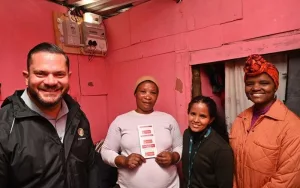
Dontse Yakhe, a small, lively settlement near Cape Town, has long lived in the dark, relying on dangerous candles and open flames. In 2025, 170 homes finally got connected to safe and steady electricity, changing life for the better. Now, children can study under bright lights, families keep food fresh, and local businesses grow. This simple glow brings hope, safety, and pride to a community that never gave up. It’s more than just power it’s a spark of new life and promise.
South Africa’s automotive components industry stands at an important crossroads, facing big challenges like job losses, reliance on imports, and global trade problems. But there are also exciting opportunities through government support, regional growth in the Eastern Cape, and access to new markets across Africa. Leaders call for fresh ideas, teamwork, and fairness to ensure more women, young people, and historically excluded groups share in the industry’s future. With innovation and local investment, South Africa can turn these challenges into a strong, inclusive, and green automotive future.
South Africa faces a big threat as the U.S. plans to add a 30% tariff on its goods, risking up to 30,000 jobs in farming, car making, and textiles. This could slow the economy and make life harder for many families. The government is working hard to find new trade partners, especially within Africa and Asia, to protect businesses and workers. While tensions with the U.S. rise, South Africa hopes its spirit and smart strategies will help it survive and grow in a tricky global world.
In 2025, groceries in Johannesburg cost more than ever, with the average basket topping R5,656. Families struggle as prices for meat, vegetables, and cooking oil keep climbing, making it hard to afford basic meals. Many people now buy food in bulk or join cooperatives to stretch their money. Despite the challenges, communities show strength and creativity, finding new ways to share and support each other in a city where food means more than just eating it’s about survival and hope.
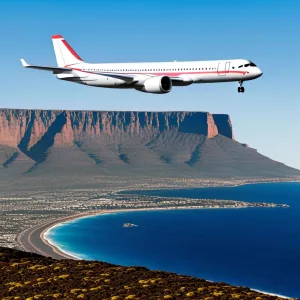
British Airways now lets travelers book entire flights to Cape Town using only Avios points, making longhaul trips easier and more affordable for loyalty members. Starting at 70,000 Avios plus fees, these special flights give families and frequent flyers a fair chance to secure seats during busy holiday times. This new option turns loyalty points into a real ticket to adventure, opening the door for more people to explore Cape Town’s stunning landscapes and rich culture. It’s a fresh, exciting way to travel that blends technology, reward, and exclusive access all while supporting local communities.
In 2025, South Africa’s Parliament passed two important bills: the Appropriation Bill and the Eskom Debt Relief Amendment Bill. The Appropriation Bill decides how government money is spent on things like health, education, and roads to help the country grow fairly. The Eskom bill reshapes the debt of the struggling power company, linking help to good performance to keep the lights on and the economy moving. These laws show how South Africa’s democracy works careful debate, public oversight, and hope for a better future for all.
Jane Sithole dreams of a South Africa where small businesses can grow freely without being trapped by endless rules and red tape. She wants fair policies that help all entrepreneurs, no matter their background, and urges the government to cut barriers and offer real support. Sithole believes that by working together and respecting every business owner’s challenges, South Africa can unlock its true entrepreneurial spirit and build a brighter economic future for everyone.
South Africa stands strong in supporting peace for Palestine, drawing on its own history of fighting apartheid. At a recent global conference, South African Justice Minister Ronald Lamola urged the world to act quickly to stop the violence and recognize Palestinian statehood. He stressed that lasting peace must come through law, dialogue, and respect for human rights not through war or force. South Africa’s message is clear: justice and hope can overcome even the deepest conflicts when nations work together with courage and fairness.
The G20 is working hard to make sure critical minerals like lithium and cobalt are used in a fair and smart way to help build a cleaner, greener future. They want mining to be ethical, with local communities benefiting through jobs and businesses, not just exporting raw materials. By encouraging new technology, transparency, and cooperation between countries, the G20 hopes to protect the environment and create better lives for people around the world. This is about more than minerals it’s about building a fair and sustainable world for everyone.
The Tiffany Meek case is a heartbreaking story from Fleurhof, South Africa, where she is accused of killing her 11yearold son, JaydenLee. This tragedy has shaken the community deeply, turning a place once full of hope into one filled with grief and mistrust. The court’s decisions and the unfolding trial highlight big worries about child safety, justice, and broken trust in society. As the case unfolds, it shines a harsh light on the struggles many face in South Africa, and the long road the community must travel toward healing and understanding.
In 2023, a shocking video showed Johannesburg’s VIP Protection Unit violently attacking civilians, sparking outrage across South Africa. This exposed deep problems in the police force, including delays and possible coverups in holding officers accountable. The scandal became a symbol of wider struggles with trust, power, and justice in the country. Calls grew louder for independent oversight to fix a broken system and restore faith in the police. The case remains a powerful reminder that real change and fairness are still a fight to win.
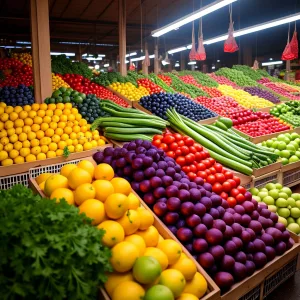
South Africa’s farms and fresh produce markets face big problems like broken roads, power cuts, and trade troubles that threaten the food supply. Leaders, including Minister Steenhuisen, are pushing to fix these issues by improving roads, modernizing markets with digital tools, and making rules simpler. They are also working to find new buyers around the world to keep exports strong. Despite challenges, the heart of South African agriculture beats with hard work, hope, and teamwork to keep the nation fed and growing.