{“summary”: “Imagine a whiz kid, David Obagbuwa, who started high school at 11 and became a doctor at just 21! He shattered South Africa’s medical age record, proving that a sharp mind and hard work can achieve amazing things. From classrooms in KwaZuluNatal to intense medical studies, David tackled every challenge. Even during lockdown, he quickly mastered his courses. Now, he’s ready to help people, showing that big dreams can come true, no matter how young you are.”}

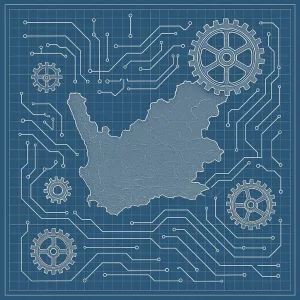
Blueprint in Motion: How the Western Cape Is Spending R1.74 Billion Before Anyone Else Even Budgets
The Western Cape is boldly investing R1.74 billion, not just budgeting, but actively spending it now! They’re pouring money into healthcare to hire more nurses and doctors, shrinking class sizes in schools, and making streets safer with new initiatives. This clever money move, which they call “Houdini’s budget,” means they’re getting things done fast, from building better roads to helping grandmothers with telemedicine. While others talk, the Western Cape is already making big, positive changes for its people.
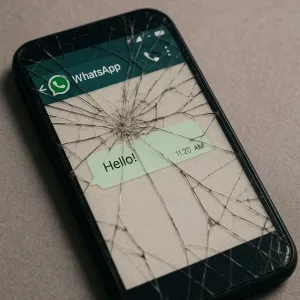
Beware, teachers! A cruel scam is stealing dreams and money in the Western Cape. Bad people pretend to be education officials on WhatsApp, offering fake teaching jobs. They trick desperate job seekers into paying R2,800 for an “appointment fee.” This money vanishes quickly, leaving victims heartbroken and emptyhanded. Always doublecheck job offers and never pay for a job!
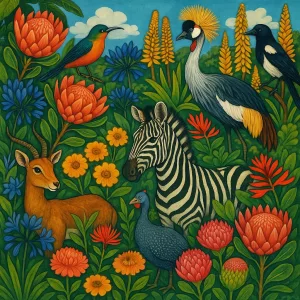
South Africa’s Living Ledger: Deputy Minister Bernice Swarts Unveils the 2025 National Biodiversity Assessment
South Africa’s Deputy Minister Bernice Swarts unveiled the 2025 National Biodiversity Assessment, a groundbreaking report. This “living ledger” acts as a mirror to show the truth, a compass to guide decisions, and an alarm clock to warn of danger. It was written by over 490 people, many from groups not usually included. This report will change how South Africa makes decisions about land, money, and nature, turning scientific facts into realworld action to protect the country’s precious wildlife and plants.
Africa has no Michelinstarred restaurants because Michelin demands huge fees from tourist boards for inspector visits. African countries, like South Africa, refuse to pay, choosing instead to fund local events and safaris. They believe their food is already amazing and celebrated by locals and tourists alike. This means African chefs are creating their own unique food scene, gaining fame through social media and local awards, proving delicious food doesn’t need Michelin’s stamp of approval.
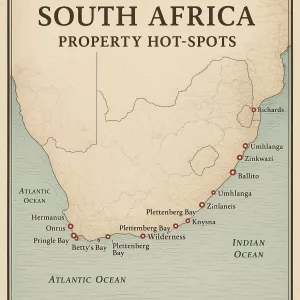
South Africa’s coast is booming! People are rushing to buy homes there, not just for holidays, but to live and work. Remote work means you can have an office with a sea view. This makes coastal homes super valuable, acting as offices, retirement plans, and moneymaking rentals. Get ready, because the demand for these amazing seaside spots isn’t slowing down!
A rich Chinese streamer named Zhanfei came to a fancy hotel in Cape Town, South Africa. But instead of a fun trip, two clever guys, Thabo M. and Lefa K., kidnapped him right from his room! They used his own internet fame against him, making him borrow lots of money and even faking a scandal with a condom. It wasn’t about stealing things, but about making chaos online to get money. This wild story shows how crime is changing, using social media and lies to make trouble and cash.
Magog Village, a hidden gem in South Africa, faces a big problem. A powerful mining company, SA Lithium, wants to dig up precious lithium for electric car batteries. But this digging is hurting the land and making villagers sick. They feel ignored and cheated, so they’re fighting back. This small village’s struggle shows a bigger fight about how we get the materials for our modern world.
Cape traffic cops, once focused on speeding, now hunt for hidden chains of human trafficking. A special course teaches them to spot red flags, understand laws, and treat potential victims with care. They use ‘RedFlag Bingo’ cards and empathy to turn routine stops into rescue missions. This new approach has already saved lives, showing that a small investment can make a huge difference, transforming traffic duty into a fight for freedom.
South Africa’s Climate Roundtable at Five: How a Living-Room Bargain Became the World’s Negotiation Manual
South Africa, choked by coal and facing financial ruin, created a special group called the Presidential Climate Commission (PCC). This group brought together enemies – like union leaders and mining bosses – to talk and find solutions. They made deals to switch from coal to clean energy, which helped them get lots of money from other countries. Now, this unique way of solving big problems is being copied by nations worldwide, showing how talking can turn enemies into partners for a greener future.
A shiny new gold mine called Qala Shallows just opened in South Africa! It’s super special because it uses cool new tech to dig up gold that was too hard to get before. This mine creates jobs and helps the local people, making everyone happy. It’s like a golden sunrise for the area, bringing new hope and money. This smart new way of mining is exciting and shows how gold can be dug up for a long time.
Cape Town Crushes Mobile Black Market: Inside the Week That Dented a R400-million Shadow Trade
Cape Town is fighting a huge mobile black market with smart tactics and quick action. They caught guys selling stolen phones out of a car and even found a secret hiding spot for phones going to other countries. This shows how serious they are about stopping the illegal trade, and they’re using cool tech and community help to do it, making the city safer one phone at a time.
A powerful African king, wearing leopard skin and cool Nike shoes, flew to Israel for a special visit. This surprise trip made waves, showing that South Africa’s international message isn’t just controlled by the government anymore. The king’s visit, with all its fancy tours and online buzz, has made people wonder who really speaks for South Africa on the world stage. It’s like a new story is being told, one where old traditions meet modernday politics.
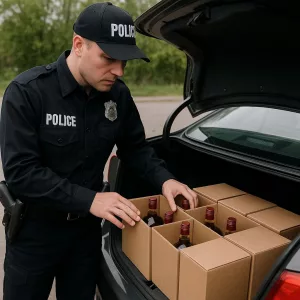
In Cape Town, a dangerous secret lurks: bootleg brandy, made with toxic chemicals, is poisoning people. A police roadblock uncovered a hidden factory where industrial alcohol, meant for cleaning, was turned into fake brandy. This deadly drink, containing methanol, causes blindness and death, yet it’s sold cheaply, luring in vulnerable drinkers. Authorities are fighting an uphill battle against these cunning criminals, who constantly find new ways to make and distribute their dangerous concoctions.
The Cape Town City Hall clock, first installed in 1905, is a proud symbol of the city’s history and spirit. After years of wear, its 2025 restoration brought back its beautiful Westminster chimes and precise timekeeping, reconnecting the city to its rich past. Standing tall beneath Table Mountain, the clock now rings out over the Grand Parade once again, marking moments of celebration and reflection for all Cape Town’s people. This revival not only repairs a machine but also renews a cherished connection between generations, lighting up the heart of the city with tradition and hope.
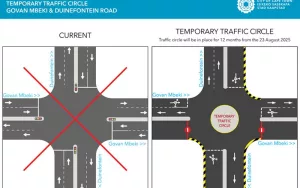
Cape Town has set up a temporary traffic circle at the busy intersection of Govan Mbeki and Duinefontein to make driving safer and smoother while big roadworks happen. This roundabout helps cut down traffic jams and accidents by keeping cars moving in a steady flow. It’s part of a bigger plan to improve public transport and connect neighborhoods better. Though temporary, this traffic circle is a step toward a future where getting around Cape Town is easier and faster for everyone.