The Cape Town City Hall clock, first installed in 1905, is a proud symbol of the city’s history and spirit. After years of wear, its 2025 restoration brought back its beautiful Westminster chimes and precise timekeeping, reconnecting the city to its rich past. Standing tall beneath Table Mountain, the clock now rings out over the Grand Parade once again, marking moments of celebration and reflection for all Cape Town’s people. This revival not only repairs a machine but also renews a cherished connection between generations, lighting up the heart of the city with tradition and hope.
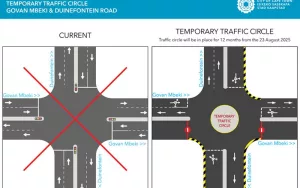
Cape Town has set up a temporary traffic circle at the busy intersection of Govan Mbeki and Duinefontein to make driving safer and smoother while big roadworks happen. This roundabout helps cut down traffic jams and accidents by keeping cars moving in a steady flow. It’s part of a bigger plan to improve public transport and connect neighborhoods better. Though temporary, this traffic circle is a step toward a future where getting around Cape Town is easier and faster for everyone.
South Africa faces big challenges with crime and social conflicts tied deeply to its painful history of apartheid and land struggles. Violent crime hits both cities and farms, making safety a daily worry for many. Outside views sometimes fuel myths, like the idea of “white genocide,” which are not supported by facts but stir emotions worldwide. With poverty, unemployment, and contested land rights adding fuel to the fire, people often turn to private security and technology to protect themselves. Still, amid hardships, South Africans show strong spirit and hope as they work to build a fairer and safer future together.
Cape Town’s Civil Security Collaboration Initiative: A Blueprint for Community Safety
Cape Town’s Civil Security Collaboration Initiative is a bright beacon of community safety, bringing together local groups and law enforcement in a united effort. Recently, neighborhoods like Milnerton and Durbanville participated in exciting simulations to improve emergency response and communication. These exercises showed how important teamwork is during crises, as everyone, from volunteers to officials, worked together to protect their community. By blending traditional methods with modern technology, Cape Town is paving the way for safer streets and empowered residents, transforming everyone into a guardian of public safety.
Cape Town’s tourism is a lively mix of rich history, diverse cultures, and stunning natural beauty that brings energy and jobs to the city. In 2023, it generated R27.3 billion and supported 91,000 jobs, showing how important tourism is to local people. The city focuses on real, unforgettable experiences, safety, and caring for the environment, while telling its story to the world. With new plans aiming to share tourism’s benefits more fairly, Cape Town is growing stronger, inviting visitors to explore its vibrant streets, mountains, and communities with open hearts.
Hotel Verde in Cape Town is a shining example of luxury that cares deeply for the planet. Using solar power, water recycling, and zerowaste practices, the hotel blends comfort with strong ecofriendly values. Guests get to join in, turning workouts into energy and helping with recycling efforts, making sustainability fun and easy. Winning Africa’s first LEED Platinum and Net Zero Waste certifications, Hotel Verde inspires both visitors and the whole city to dream big about a greener future. It’s not just a hotel it’s a bright beacon showing how luxury and nature can live happily together.
Digital Deceptions: The Growing Threat of Fake Investments and Job Offers in South Africa
Beware, South Africa! Tricky scammers are everywhere online, using clever tricks on Facebook, WhatsApp, and even email. They promise amazing investments or dream jobs, but it’s all a big lie to steal your money. They copy real companies and pressure you to act fast, asking for payments or even to download special apps that let them control your phone! Always check if companies are real with the FSCA, never share your private banking details, and remember: if a deal sounds too good to be true, it probably is. Stay sharp and protect your hardearned cash!
Starting September 1, 2024, South Africa’s SASSA will ask everyone applying for social grants to register their fingerprints and face images. This new biometric system helps stop fraud and makes sure only the right people get support like pensions and child grants. Though some worry about longer lines and new steps, many see it as a way to protect their identity and keep the system fair. This big change shows how technology is helping SASSA build a safer, stronger future for social help.
The Two Oceans Marathon in Cape Town is a breathtaking 56kilometer race where runners race between two oceans, through stunning mountains, forests, and cliffs. Since 1970, it has brought together people from all walks of life to celebrate strength, community, and the city’s natural beauty. Despite tough challenges in 2025, the race is bouncing back stronger with new organizers and fresh ideas to keep runners safe and inspired. This marathon is more than a race it’s a vibrant story of courage, connection, and Cape Town’s spirit.
The Western Cape’s BackOnTrack programme is helping teachers and learners catch up after lost school time. Teachers get special training and earn important professional points, while students attend extra weekend classes to boost their skills. At schools like Rosmead Central, teachers feel renewed and learners grow more confident, sharing small wins every day. This community effort, full of energy and hope, shows how working together can bring education back stronger than before.
Coding bootcamps in South Africa are giving young people a new chance by teaching them digital skills quickly and affordably. These programs focus on handson learning and real projects, helping youth overcome barriers to jobs in tech. With support from mentors and local businesses, many students are finding work and hope in a digital future. Despite ongoing challenges like poor internet access, these bootcamps are sparking change and opening doors for South Africa’s youth to build brighter lives.
Minister Velenkosini Hlabisa and the Urban Century: South Africa’s Bold Pursuit of Inclusive City Futures
Minister Velenkosini Hlabisa is leading South Africa’s bold plan to build cities that include everyone and stand strong against future challenges. His vision rests on five big ideas: teamwork across government, listening to communities, using new money and technology, fighting climate change, and boosting local leaders. South Africa’s cities are changing fast, and this plan hopes to turn struggles into smart solutions, making cities places where all people can live safely and with hope. The journey is tough, but with fresh ideas and shared effort, a brighter, fairer urban future is within reach.
South Africa has ended the R500 VAT exemption on imported goods, meaning all online purchases from abroad now face 15% VAT and 20% customs duty. This change aims to protect local jobs and businesses hurt by cheap imports from big foreign sellers like Shein and Temu, who used to avoid taxes by sending small, lowvalue parcels. While shoppers might pay more now, the new rules try to make shopping fair and help South Africa’s clothing and manufacturing industries survive and grow. It’s a big shift that will shape how people buy online and how local businesses compete in the future.
Cape Town’s New Fixed Charges: A Civic Reckoning at the Edge of Law and Governance
Cape Town has introduced new fixed charges for cleaning, water, and sanitation based on property values instead of actual usage. Many homeowners feel this is unfair and may break constitutional rules, as it acts like a hidden tax hitting middleincome families hardest. The city argues the fees are needed to keep services running and help poorer communities. A court battle is underway, and its outcome could change how cities across South Africa raise money for public services. This fight is about fairness, the law, and how Cape Town shapes its future.
Negotiating Rights and Realities: South Africa’s Parliament Grapples with Healthcare, Legislation, and Equity
South Africa’s Parliament is facing big challenges as it works to make healthcare fair and available to everyone, including people without official papers. Lawmakers are also debating strict rules on tobacco to protect health while respecting personal freedom. At the same time, they are fighting discrimination against Black healthcare workers in medical plans, pushing for fair treatment and transparency. Through public discussions and learning from other countries, Parliament strives to create laws that balance rights, fairness, and reallife needs for a better future.
South Africa’s Parliament plays a big role in protecting social rights like healthcare, education, and gender equality. It watches over the government to make sure these services are fair and reach everyone, including vulnerable groups and migrants. Through open talks and tough laws, Parliament works hard to fix old problems and build trust with the people. Leaders from different committees share their stories and plans to keep South Africa moving toward a future where everyone is treated with respect and fairness.