Afrikaans is a vibrant language born over 300 years ago from a mix of Dutch, African, Asian, and other cultures in South Africa. Officially recognized 100 years ago, it grew from everyday people’s voices in kitchens and marketplaces, not from the halls of power. Though it carries a painful history, especially during apartheid, Afrikaans today is spoken by many diverse communities who keep it alive with creativity and pride. The centenary celebration invites all South Africans to see Afrikaans as a shared treasure, a language full of life, stories, and hope for the future.
Patrice Motsepe is a powerful South African businessman whose name is quietly gaining attention as a possible leader for the ANC in 2027. Coming from humble township roots, he built a huge mining empire and is known for his honesty and smart leadership. Many see him as a fresh, hopeful face who could help renew the party and bring real change to South Africa’s economy. While some worry about mixing big money with politics, Motsepe’s rise sparks strong talk about what the ANC needs to succeed in a tough future. His story is already shaking up the party and inspiring many who want a new direction.
The Invisible Battleground: South African Airways and the High Stakes of Cyber Defense
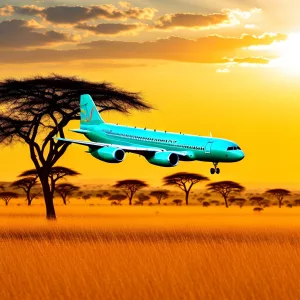
In 2025, South African Airways faced a sudden cyber attack that targeted its website, app, and vital systems, threatening to disrupt its flights and services. Thanks to strong leadership and wellprepared plans, the airline quickly kept essential operations running and launched a full investigation. Their open communication with authorities and the public showed a new level of transparency and trust. This event highlights how important it is for big companies to be ready for digital threats and work together to stay safe in a connected world.
Afrikaners are quietly leaving South Africa on secret flights to the United States because they fear losing their land, face safety worries, and feel unsure about the country’s future. This move stirs up old tensions tied to South Africa’s troubled past and the complicated changes since apartheid ended. While some see these Afrikaners as fleeing hardship, the South African government insists no citizens are refugees and stresses that land policies are fair and lawful. This flight highlights a deep struggle over identity, belonging, and hope for a safer, more stable life.
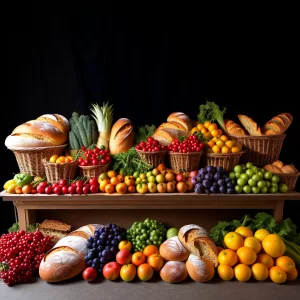
Since 2000, the African Growth and Opportunity Act (AGOA) has helped South African farmers sell fruits like avocados, wine, and citrus to the United States without paying extra taxes. This chance boosted farming communities, especially small farmers and women, by opening up new markets and encouraging growth. But recent U.S. tariffs threaten these gains, making it harder for farmers to compete and putting many livelihoods at risk. Still, South African farmers remain strong and hopeful, working hard to face these new challenges and keep their communities alive.
Taj Cape Town is a stunning hotel where oldworld charm meets modern luxury. Housed in a beautiful Edwardian building, it invites guests to step into Cape Town’s rich history while enjoying top comforts, delicious food, and warm, personal service. From waking up to views of Table Mountain to relaxing with awardwinning spa treatments and savoring exquisite meals, every moment feels special. The hotel also connects visitors deeply to the vibrant culture and spirit of the city, making each stay a unique and memorable adventure.
Cape Town’s “Invested in Hope” budget puts nearly R40 billion toward building fairer, kinder neighborhoods by focusing on free basic services, support for pensioners, and job creation. This plan helps people who need it most, giving them water, electricity, and relief from property taxes. By investing in homes and jobs, the city is healing old wounds from apartheid and making sure everyone feels part of the community. Stories from residents like Nontombi and Zanele show how this hope turns into real, everyday changes. Cape Town’s bold steps offer a shining example of how cities can grow with fairness and care for all.
The Western Cape’s school admissions for 2026 use an online system where parents must apply on time for Grade R, 1, and 8 placements, with over 164,000 applications expected. Families face challenges like internet access and keeping contact details updated to get timely offers, which start coming out in May 2025. Despite hurdles, strong community effort and careful planning help many children secure spots, showing how education is a shared hope and responsibility in this diverse region. The process blends new technology with old traditions, reflecting the province’s determination to build a brighter future for all children.
On April 15, 2025, a peaceful student protest at Walter Sisulu University over no running water turned deadly when the residence warden fired shots, killing one student and injuring others. The campus, once lively and hopeful, was thrown into chaos and fear. The university’s cold response deepened students’ anger and mistrust, sparking nationwide calls for justice and safer schools. This tragedy showed how deep problems like neglect and broken trust can turn a place of learning into a battleground. Yet, amid grief, students stood strong, demanding change and hoping to heal their broken campus.
The LunaRecycle Challenge is an exciting NASA competition that aims to turn waste from past Moon missions into useful resources like water and energy. With a big prize of $3 million, it invites creative thinkers from around the world to design ways to recycle human waste left by astronauts. This effort is part of NASA’s Artemis program, which plans to establish a lasting human presence on the Moon. Participants can work on building reallife recycling systems or create virtual models to test their ideas. The challenge highlights the importance of being responsible and sustainable, not just on Earth, but also in space!
The clash between faith and modern conflict is a tricky issue, especially when ancient stories are used to talk about today’s problems. Reuben Wagenheim, a synagogue leader, shared a cheerful email about community events but ended with a shocking reference to a Biblical enemy, Amalek, comparing them to Hamas. This stirred up strong reactions and led to an apology from Wagenheim, who realized his words could be seen as promoting violence. The incident sparks important questions about how we interpret religious texts in our world today, reminding us of the need for peace and understanding amidst conflict.
In a bold move towards fairness, South Africa is changing how land ownership is documented starting March 5, 2025. New rules will require landowners and buyers to share details about their race, gender, and nationality, shining a light on who owns land in the country. This change aims to fix past wrongs from a time when land ownership was unfairly divided. By collecting this important information, South Africa hopes to create a more equal and just future for everyone. Through these steps, the nation is embracing a brighter path toward true equity in land ownership.
On Human Rights Day in Cape Town, proPalestinian activist Uzair Mohamed was arrested during a peaceful protest, sparking outrage and concern about his rights and political freedom. His detention, which sparked protests from groups like the Muslim Judicial Council and South African Jews for a Free Palestine, raised questions about the treatment of activists in South Africa. While police claimed he was arrested for carrying flares, many saw this as an attempt to silence important voices. Mohamed’s experience serves as a powerful reminder of the ongoing fight for justice and the need to protect human rights for everyone.
In a big win for consumers, the National Consumer Commission ruled that FlySafair’s ticket overbooking practices were illegal. This decision highlights the importance of consumer rights and ensures that passengers get what they pay for when flying. The investigation started after many unhappy customers came forward, and the ruling sets a strong example for all airlines to follow fair practices. It’s a crucial step towards making sure businesses treat their customers honestly, paving the way for a better shopping experience for everyone.
Gen the raggedtooth shark has made a triumphant return to the ocean, marking a big step in shark conservation! Her release from the Two Oceans Aquarium highlights the critical need to protect these amazing creatures and keep our oceans healthy. Gen was carefully cared for and tracked to help scientists learn more about her and her kind. This heartwarming event not only celebrates her journey but also reminds us all of the importance of respecting and protecting our marine life for future generations.
When helping animals in South Africa, it’s important to choose the right organization. Look for groups that focus on spaying and vaccinating pets, have qualified vets, and are open about their finances. Be cautious, as starting a rescue is easy, but many lack proper oversight, allowing bad practices to thrive. Always visit the shelter to see if animals are cared for well and avoid any organization that pressures you for money or makes adopting pets too simple. By asking questions and being alert, you can support genuine efforts to help animals in need.