Tshidi Madia was a powerful and honest voice in South African journalism. She started from humble beginnings, working behind the scenes before becoming a sharp political reporter who never shied away from tough questions. Tshidi’s work helped hold leaders accountable and inspired many young journalists, especially women, to speak up. Even after her passing, her spirit lives on as a beacon of truth and integrity in the country’s fight for a stronger democracy.

At Silverstream Primary School in Manenberg, a teacher’s assistant was accused of hurting children, causing fear and sadness in the community. Parents spoke out about their kids being pinched in ways that made them feel unsafe, and this led to investigations by the police and education department. The school and officials promised to take strong steps to protect the children, but many parents still worry and want real change. This painful event has shaken trust but also sparked hope that the community can come together to make schools safer for every child.
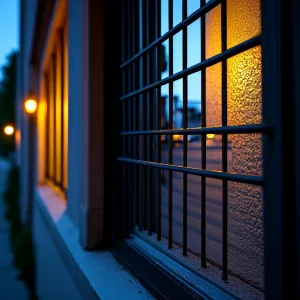
Housebreaking in South Africa affects many families, with about 5.7% of homes broken into each year, especially in KwaZuluNatal. People often feel safe during the day but worry more at night, which changes how they live and move around. Many do not report breakins, feeling unsure about the police helping them. To protect themselves, communities use burglar bars, neighborhood watches, and stay alert. Despite challenges, South Africans show strength and work together to keep their homes and neighborhoods safer.
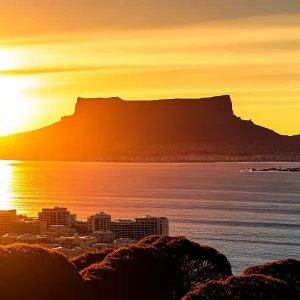
In 2025, Cape Town’s prime residential market shines bright as a rare gem, offering beautiful homes at affordable prices (€2,600/m²) with steady growth and limited supply. Nestled between stunning mountains and the ocean, the city attracts buyers who seek not just investment, but a vibrant lifestyle full of culture, safety, and nature. While other global cities face uncertainty, Cape Town remains stable and inviting, making it a top choice for people dreaming of both comfort and opportunity. The city’s charm and balanced market make it a place where life feels rich and full, drawing investors and residents alike.
MJ Mahlangu was a brave and wise leader who helped end apartheid and build South Africa’s democracy. He worked hard to bring people together, making sure all voices were heard when writing the new Constitution. Later, he helped connect South Africa’s provinces with the national government and represented the country as a respected diplomat abroad. Known for his kindness and fairness, MJ’s life reminds us that true leadership means serving others with courage and respect. His legacy shines brightly, inspiring South Africans to keep building a just and united nation.
South Africa is gearing up for an exciting electric vehicle (EV) future as Toyota and Volkswagen plan to launch locally assembled EVs in 2026. Thanks to government incentives and local manufacturing, these cars will be more affordable and easier to own than ever before. This shift means cleaner air, new jobs, and a fresh start for the country’s car industry. Though challenges like power supply and charging stations remain, South Africans are ready to embrace this new, greener way to drive.
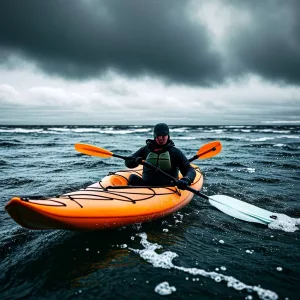
False Bay is a wild and beautiful place where the ocean can change quickly from calm to dangerous. When a couple capsized their surf ski in rough waves, modern rescue teams sprang into action using smart tools like the SafeTrx app, GPS, and years of volunteer skill to find and save them fast. This mix of old courage and new technology shows how sea rescue here has grown from simple signals to hightech lifesaving. Every rescue reminds us how important it is to respect the sea and be prepared for its surprises.
Cape Town is carrying out planned water maintenance to keep its water system strong and reliable. This means some neighborhoods will face temporary water cuts or low pressure so technicians can test pipes, valves, and pressure systems. Though these interruptions can be inconvenient, they help prevent bigger problems like leaks and bursts, making sure everyone has steady water now and in the future. The city communicates clearly to help residents prepare and shows how caring for hidden infrastructure is key to a healthy, resilient city.
Vehicle recalls are like unseen heroes, quickly fixing hidden car problems that could harm drivers. In 2025, big brands like Ford, Nissan, and Citroën recalled thousands of cars to fix dangerous issues from airbags that might explode to electrical faults and tricky transmissions. These recalls show how carefully manufacturers watch out for our safety and act fast when things go wrong. Though recalls may cause some hassle, they build trust and remind us that keeping drivers safe is a shared mission between makers, regulators, and owners.
South Africa is working hard to fight unemployment and build a future based on knowledge and skills. The Human Resource Development Council (HRDC) brings together government, businesses, and communities to improve education, training, and support for young entrepreneurs. They focus on closing the gap between school and work, helping youth gain digital skills, and encouraging small businesses to grow. Even though many young people face big challenges, South Africa believes that teamwork, new ideas, and strong education can create real opportunities for everyone. With determination and smart planning, the country aims to build a brighter, fairer tomorrow.
A burst sprinkler pipe caused the ceiling to collapse at the NSFAS office in Cape Town, soaking desks and equipment and disrupting over 100 workers. Staff felt unsafe because management rushed repairs without clear communication, leading the union to demand official safety checks before anyone returns. This crisis reveals deeper problems in how public institutions handle worker safety and transparency. It shows that true care for employees means more than quick fixes it requires real accountability and respect.
Deputy Minister Alvin Botes spoke passionately about the urgent need to protect innocent lives through International Humanitarian Law (IHL) in Africa’s many ongoing conflicts. He reminded leaders that these laws are not just words on paper but vital shields for civilians and aid workers caught in war. Africa stands at a critical moment to lead the world in upholding justice, compassion, and shared humanity amid new and complex threats. Botes called for unity and strong action so that the protection of human dignity becomes a global, unshakable commitment.
The Democratic Alliance’s plan for South Africa’s economic renewal is bold and clear. They want to fix the energy crisis so the lights stay on, change job rules to reward skill over race, and invest in better roads, ports, and internet. They also promise cleaner, honest local governments and tougher action against crime and corruption. Their goal is to create more jobs, grow the economy, and build hope for a brighter future where everyone has a fair chance to succeed.
Dr. Nicholas Chapman, once a trusted doctor in Somerset, shocked his quiet community when it was revealed that he secretly put his semen in a patient’s drink and harassed others. His cruel actions broke deep trust and caused lasting pain for those affected. The medical authorities responded strongly, removing him forever from the UK medical register to protect patients. This sad case reminds us how important honesty and respect are in medicine, especially in close communities where trust runs deep. It also sparked calls for better safeguards to keep patients safe and heal the wounds left behind.
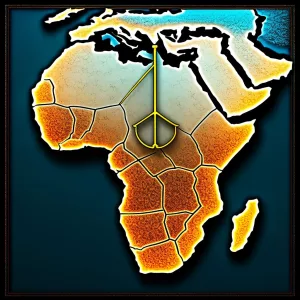
South Africa is leading the way in making mining of critical minerals cleaner and fairer within the G20 group. At a big meeting in Johannesburg, leaders agreed on six key actions like better exploration, strong rules, local processing, supply chain strength, new tech, and skill building. This plan aims to turn mineral wealth into jobs and growth at home, not just raw exports. South Africa’s leadership shines with a hopeful message: working together and caring for people and planet can build a brighter, more equal future for mining worldwide.
The International Court of Justice (ICJ) has made a powerful statement that countries must legally cut greenhouse gas emissions and protect the environment. This decision, sparked by island nations facing rising seas, turns climate goals like those in the Paris Agreement into binding duties. The ICJ stresses that countries must work together, seeing environmental care as part of protecting human rights. While the ruling isn’t legally binding, it strengthens global pressure on governments to act fast and fairly to save our planet.