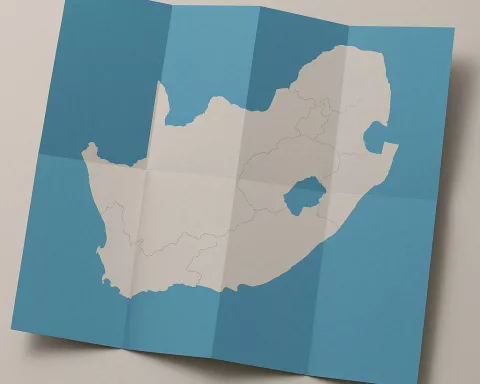
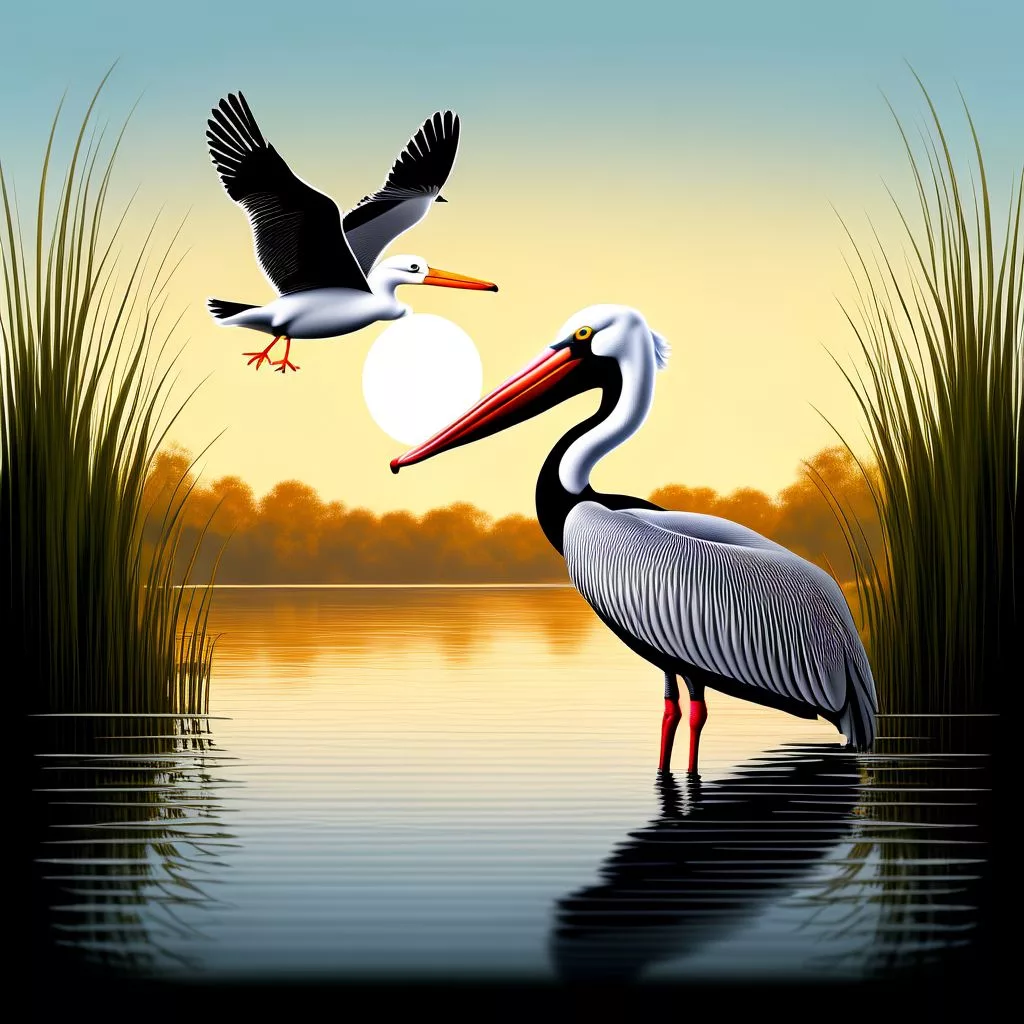
In the Western Cape, a new outbreak of avian influenza is hitting both farm birds and wild birds hard, causing many deaths and forcing farmers to cull their flocks. The virus doesn’t stay put – it spreads quietly through wetlands and farmlands, showing how closely people, animals, and nature are connected. Communities are stepping up, helping to watch for sick or dead birds and keeping farms clean to stop the spread. This crisis reminds everyone that protecting birds means protecting the whole region’s health, food, and way of life.
What is the impact of the avian influenza outbreak in the Western Cape?
The 2024 avian influenza outbreak in the Western Cape affects both domestic poultry and wild birds, causing significant losses. Key impacts include farm culls to control the virus, deaths of iconic wild birds like pelicans and gulls, increased biosecurity measures, and community involvement in monitoring and reporting infected birds.
A New Outbreak Redefines Boundaries
The Western Cape has entered a period of heightened uncertainty as a fresh wave of highly pathogenic avian influenza (HPAI) sweeps through the region. This event, more than most in recent memory, has laid bare the intricate connection between agriculture and the environment. The unfolding crisis began in early July, in the fertile farmlands and vineyards around Paarl, where a cluster of ducks and chickens on local farms became the first casualties. The provincial Department of Agriculture acted without delay, confirming the presence of HPAI and partnering with proactive farmers who opted to cull entire flocks in an effort to halt the virus’s advance.
Action by the authorities reflected both economic necessity and a profound understanding of the interdependence between farmed and wild birds. Past episodes of disease – from the devastation wrought by the Black Death to the rinderpest outbreaks that once swept across Africa – demonstrate how easily pathogens transcend boundaries, with disastrous effects. The Western Cape, celebrated for both its robust poultry industry and exceptional biodiversity, finds itself at particular risk. The 2024 avian influenza episode has taken on added significance as the first confirmed outbreak since 2022 to cause deaths among wild birds in the province.
While the initial concern centered on farm losses, the impact extends far beyond. Reports from Smile FM have highlighted the broader consequences, revealing that the virus has claimed the lives of not only domestic poultry but also some of the region’s most iconic wild birds. Great White Pelicans, those commanding figures of Malmesbury’s wetlands, and Hartlaub’s Gulls, common along Cape Town’s coastline, have both suffered notable fatalities. The loss of these species, with their distinctive presence and deep cultural resonance, echoes the mass bird die-offs and pandemics of history, challenging the notion that human-made boundaries can contain nature’s disruptions.
Navigating the Crisis: Strategies and Symbolism
The Western Cape’s landscape – a blend of thriving commercial agriculture and vital conservation areas – forms a setting as intricate as any Dutch master’s painting: productive yet vulnerable. Within this delicate tapestry, local authorities have responded forcefully, urging poultry farmers and backyard keepers to tighten biosecurity. Their advice is practical but also emblematic of a larger cultural response to crisis: limit access to farms, keep domestic birds away from wild populations, and maintain rigorous hygiene, echoing the sterile standards of early twentieth-century medical breakthroughs.
Disinfection now governs daily routines. Farmers and workers meticulously clean boots, clothing, and vehicles, turning hygiene into a ritual act. In response to the invisible threat, they have erected new fences and nets, fortifying their properties against a virus that drifts silently on the wind or hitches a ride on a stray feather. These measures form a coordinated defense, shaped by hard-won lessons from past outbreaks.
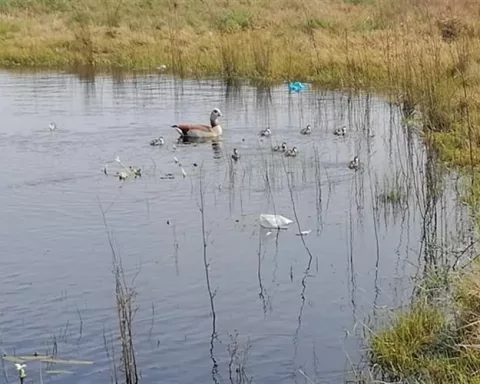
Yet, HPAI refuses to remain fenced in. Wildlife biologists and conservationists have observed with growing concern as the virus leaps from farmyards to wild habitats treasured by South Africans. Each dead pelican or gull discovered along a wetland or shore serves as a grim reminder that boundaries – no matter how carefully constructed – can be illusory. The virus finds opportunities wherever birds gather, migrate, or nest, indifferent to human efforts at containment.
Safeguarding Food, Mobilizing Communities
Amid the crisis, protecting the food supply has become a top priority for officials, who work to calm consumer fears. Food safety authorities reassure the public that poultry products, when handled and cooked correctly, remain safe to eat. However, this message cannot fully quiet the anxiety that lingers in the region, shaped by memories of previous HPAI outbreaks. Not so long ago, the province grappled with the consequences of mass culls, egg shortages, and disruptions in both local markets and international trade. The current situation feels all too familiar, echoing the repetitive cycles of disease and recovery that mark the broader currents of human and natural history.
The fight against HPAI does not end at the boundaries of farms or markets. Officials have enlisted ordinary citizens as essential partners in the ongoing surveillance effort. They urge residents to report sightings of sick or dead wild birds – especially when multiple seabirds succumb in the same area. Even a single deceased raptor, perched atop the food chain, can alert authorities to the virus’s spread. This participatory strategy draws inspiration from both scientific crowdsourcing and the democratic ideals that value collective action. By empowering the public as watchdogs, the government bridges the gap between policy and community and enhances the region’s ability to respond swiftly to new threats.
The state has made it simple for concerned residents to take part. Those who find ill but living seabirds can call local rehabilitation centers, where trained veterinarians and volunteers assess and treat the birds, balancing compassion with the need for strict disease control. For deceased birds, citizens can submit sightings via online platforms such as the SA seabird bird flu tracker on the OCIMS website, adding critical data to the province’s disease monitoring network. Each report strengthens outbreak tracking and response, weaving together the efforts of professionals and the public into a united front.
Cultural Impact and Reflections on Interconnectedness
No crisis involving birds in South Africa is simply a matter of agriculture or public health. Birds hold deep meaning within the national psyche, from the symbolic pelican – associated with sacrifice and renewal in religious imagery – to the common sight of gulls along the coast, evoking freedom and resilience. The sudden loss or visible suffering of these creatures stirs profound emotions, connecting people across generations. Artists and poets have long turned to birds as metaphors for transcendence and vulnerability, capturing their importance in the cultural imagination. Birds also inhabit the liminal spaces between land, sea, and sky – terrains that now serve as battlegrounds against a relentless virus.
Beyond the immediate tasks of containment and education lies a deeper philosophical challenge: adapting to life in a world shaped by constant movement and mutual dependence. Viruses like HPAI follow the paths carved by migratory birds, international trade, and shifting ecological patterns. Despite technological advances, humanity’s fate remains bound to the fortunes of the animals that share our landscapes. The distinction between domestic and wild, security and hazard, remains fluid – a dynamic zone shaped by human actions, animal behavior, and the unpredictable forces of nature.
The Western Cape’s experience with avian influenza mirrors some of the defining dramas of modern history. People attempt to assert control over nature, yet must reckon with the limits of that control and find humility in the face of uncertainty. This story is not only unfolding in news reports and official statements but is also lived every day by farmers, conservationists, and the countless birds that traverse this terrain.
Looking Ahead: A Region on Alert
Today, the Western Cape’s fields and wetlands reflect a new reality. The devastation is not always visible; rather, an undercurrent of tension permeates the landscape. The scent of disinfectant lingers. Farmers and birdwatchers alike scan the skies for the glint of white wings or the cry of a gull – signs of both continuity and vulnerability. The avian influenza outbreak has intertwined biology, economics, and culture, becoming part of the ongoing story of this remarkable place.
This chapter reminds all who live and work in the Western Cape that vigilance, cooperation, and respect for the complexities of nature remain essential. As the community navigates this crisis, every action – whether it’s disinfecting a boot, reporting a sick bird, or supporting affected farmers – contributes to the evolving tapestry of resilience. The story continues to unfold, shaped daily by those who call this landscape home, and by the birds whose fate remains inseparable from our own.
What is avian influenza and how is it affecting the Western Cape?
Avian influenza, often called bird flu, is a highly contagious viral disease that affects both domestic poultry and wild birds. The 2024 outbreak in the Western Cape has caused significant deaths among farm birds like chickens and ducks, as well as wild species such as Great White Pelicans and Hartlaub’s Gulls. This strain of the virus, known as highly pathogenic avian influenza (HPAI), spreads rapidly through wetlands and farmlands, threatening biodiversity and the region’s poultry industry.
How is the virus spreading among birds in the Western Cape?
The virus spreads quietly and efficiently through contact between infected and healthy birds, both domestic and wild. Wetlands and coastal areas where birds congregate provide opportunities for transmission. Migratory birds can carry HPAI over long distances, allowing the virus to jump between wild bird populations and poultry farms. Human activities, such as farming and transportation, can also inadvertently aid the spread if biosecurity measures are not strictly followed.
What measures are being taken to control and prevent the outbreak?
Authorities and farmers have implemented stringent biosecurity protocols including culling infected flocks, disinfecting clothing, boots, and vehicles, and restricting access to farms. Physical barriers like fences and nets have been erected to prevent contact between domestic birds and wild populations. Community members are encouraged to report sightings of sick or dead wild birds through online platforms and local wildlife rehabilitation centers, enabling swift responses to new cases.
Is it safe to consume poultry products during the outbreak?
Yes. Food safety authorities assure the public that poultry products remain safe to eat when properly handled and cooked to recommended temperatures. The virus does not survive well in cooked meat, and standard hygiene practices minimize any risk. However, consumers are advised to stay informed and purchase poultry from trusted sources during the outbreak.
How can the community help in managing the avian influenza outbreak?
Residents can play a crucial role by monitoring local bird populations and reporting any sick or dead birds to designated wildlife or agricultural authorities. Participating in community surveillance programs helps track the spread and impact of the virus. Moreover, supporting farmers affected by culls and adhering to biosecurity guidelines helps reduce further outbreaks and protects both animal and human health.
What broader significance does the avian influenza outbreak hold for the Western Cape?
Beyond immediate agricultural and ecological impacts, the outbreak highlights the intricate connections between humans, wildlife, and the environment. It underscores the region’s vulnerability to diseases that cross species boundaries and the importance of integrated approaches to health – often called “One Health.” The crisis also carries cultural weight, as birds like pelicans and gulls hold symbolic meaning in South African society, reminding people of their shared destiny with the natural world and the necessity of vigilance, cooperation, and respect for ecological balance.