Bellville is ready to breathe new life into the Stikland site by turning it into a lively area with a modern long-distance bus station, shops, offices, and community spaces. This plan will make travel easier, help local businesses grow, and bring people together. City leaders want everyone – from traders to commuters – to join in shaping this exciting change. The project blends Bellville’s rich history with a bright future, aiming to create a place where everyone can work, shop, and connect.
What is the plan for transforming the Stikland site in Bellville?
The Stikland site in Bellville is set to become a dynamic mixed-use precinct featuring a state-of-the-art long-distance bus terminus, retail and commercial spaces, and community areas. This development aims to enhance transport, boost local businesses, and foster inclusive urban growth.
Setting the Stage for Urban Change
On a chilly July afternoon in 2025, Bellville’s Council chamber buzzed with eager conversation as city leaders prepared to set a new course for one of its most recognisable sites. The Council’s vote that day signaled the launch of a public participation process, paving the way for the potential release of 2.2 hectares of City-owned land in Stikland. This site – well-known to traders, commuters, and generations of locals – now stands on the verge of significant transformation.
For decades, Bellville has played a pivotal role in Cape Town’s urban landscape. Once a satellite town supporting the Mother City, Bellville gradually grew into a vital transport and economic hub. Its railways and busy streets have long connected neighborhoods and industries, helping the area transition from a peripheral suburb into a core node of activity within the metro. As the city’s needs have evolved, so too has the pressure to reinvent underutilized land like Stikland’s, reflecting a broader shift towards smarter urban land use.
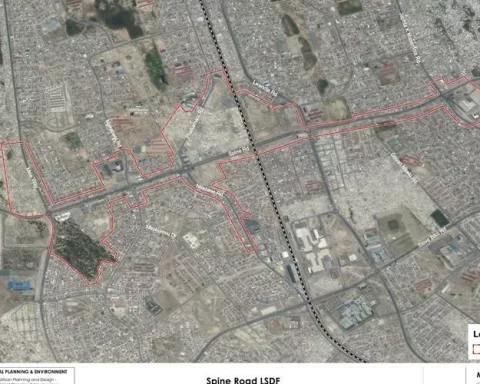
Located at a literal and figurative crossroads, the Stikland site sits between the energy of Stikland Industria to the north, the vibrant Access City retail complex to the south, and the tranquil grounds of Stikland Cemetery just across La Belle Road. This unique mix of neighbors gives the site a distinctive urban character – one that city planners now hope to harness and elevate.
A Vision Rooted in Opportunity
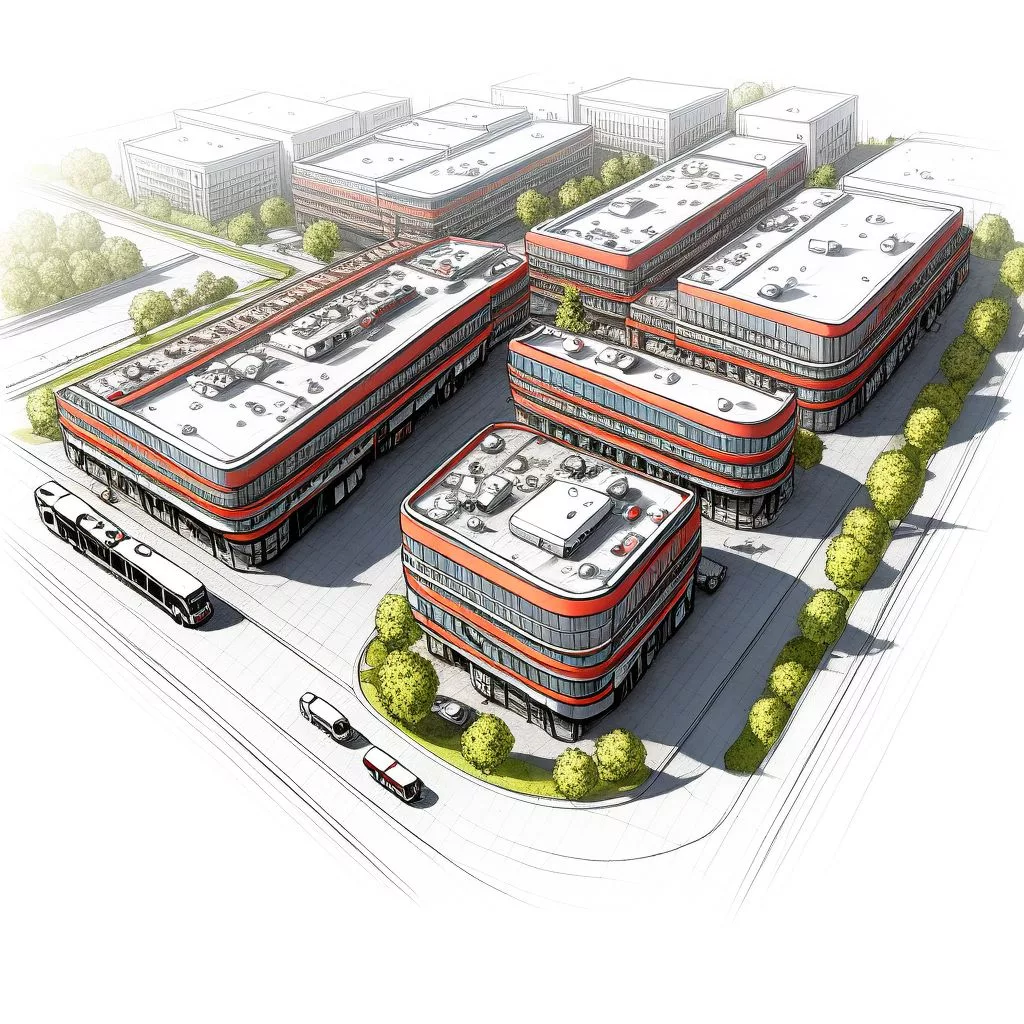
Alderman James Vos, a consistent advocate for Cape Town’s economic growth, articulated the project’s promise during the Council meeting. He described the area as “a well-located City asset ripe for greater and more efficient use.” Far from just empty land, this space is envisioned as the foundation for a lively, mixed-use development anchored by a state-of-the-art long-distance bus terminus. Such a facility would not only streamline public transport for thousands of daily commuters but also act as a springboard for new business opportunities throughout the district.
This proposal aligns with the City’s broader strategy of unlocking value from public land – a shift inspired by decades of lessons in urban renewal. Unlike the top-down redevelopment typical of the past, today’s approach favors integration and inclusivity. The City’s Consolidated Land Release Programme sets out to ensure that developments like Stikland serve the needs of a wide range of residents and stakeholders. The ultimate goal is to create places that are not only functional and efficient but also vibrant and equitable.
Bellville’s urban planners and policymakers see Stikland as a blank canvas for innovation. By embracing mixed-use principles, they hope to weave together transport, commerce, and community in a manner that responds to contemporary urban challenges. In this sense, the project does not just echo global trends but positions Bellville at the forefront of Cape Town’s urban evolution.
Engaging Stakeholders: From Policy to People
With the Council’s decision in hand, city officials wasted no time in launching a comprehensive public participation process. Over the coming months, the City’s Economic Growth Directorate will spearhead consultations designed to capture a diverse range of perspectives. These engagements aim to reach not only potential investors but also the residents, commuters, and business owners who rely on Bellville’s transport infrastructure every day.
Of special importance are the informal vehicle traders who have long claimed the Stikland site as their own. Their presence injects the area with entrepreneurial energy, and officials intend to ensure their voices are heard throughout the planning process. The City’s commitment to a thorough stakeholder audit marks a departure from the exclusionary practices of previous urban renewal efforts, when communities were often overlooked or displaced in the name of progress.
Councillor Rob Quintas, who oversees Urban Mobility, brings both pragmatism and ambition to the project. He highlights the site’s exceptional connectivity, especially its proximity to the R300 Freeway via Strand and Bottelary Roads – a boon for long-distance bus operations. Quintas envisions a sprawling 12,000-square-meter bus terminus, complete with holding bays and a range of retail and commercial amenities. His vision draws inspiration from contemporary models of integrated transport and mixed-use development, where commuters, shoppers, and entrepreneurs thrive side by side in well-designed public spaces.
Navigating Complexities and Honoring History
Transforming Stikland will not be without its challenges. Before any construction begins, the City plans to conduct in-depth feasibility studies, examining everything from traffic management to environmental concerns and the integration of different transport modes. Planners must also ensure that the balance of retail and commercial spaces addresses the needs of existing residents and businesses, rather than simply catering to speculative interests.
This careful calibration draws on lessons from urban thinkers like Jane Jacobs, who championed lively, mixed-use neighborhoods over sterile or over-planned spaces. In Bellville’s case, the challenge lies in striking a balance between innovative development and respect for the intricate social and economic fabric already in place. The City’s approach underscores the importance of fostering environments where both new ventures and established communities can flourish.
Bellville’s history offers valuable context for this next chapter. The area traces its roots back to 19th-century railway expansion, which transformed it from a rural outpost into a bustling center of commerce and industry. Over generations, waves of migration and investment have layered new identities and opportunities onto the city’s core. The planned transformation of the Stikland site reflects this tradition of adaptability, poised to meet the demands of a rapidly changing, post-pandemic urban world.
Looking Forward: Co-Creating Bellville’s Future
Alderman Vos sees immense potential in the Stikland project. “With the right mix of development and transport, this site can invigorate local businesses, improve connections, and help shape Bellville’s future,” he notes. His perspective mirrors global trends in making public land work harder for the collective good – a practice already paying dividends in cities as diverse as Melbourne and Medellín.
As the public participation process unfolds in 2026, Bellville’s residents, business owners, and commuters will have the chance to leave their mark on the city’s next great urban experiment. Some imagine a lively gateway bustling with shops, cafés, and transit users. Others hope for efficient, dignified transport infrastructure that addresses the daily realities of working people. Regardless of the specific outcome, one fact remains clear: the choices made at Stikland will set a precedent for how Bellville embraces growth, inclusion, and sustainability in the years ahead.
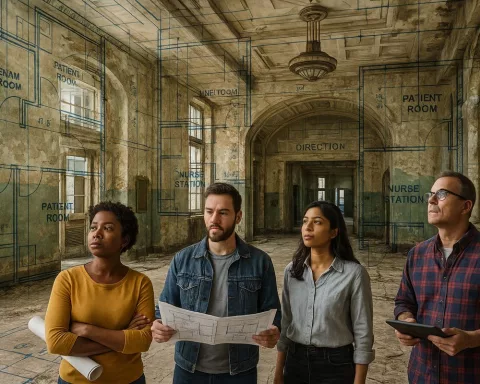
Amid these unfolding plans, daily life at the site continues. Informal traders set up their stalls, bus drivers weave past, and local artists begin to dream about the murals and public spaces that might soon emerge. Policymakers study blueprints and economic forecasts, all working toward a shared vision of a more connected, vibrant, and resilient Bellville.
In the end, the transformation of Stikland offers more than just a new development – it represents a chance for collective authorship. Bellville stands on the threshold of a new era, inviting everyone to play a role in designing a neighborhood that honors its past while boldly embracing the future. As the city moves from planning to implementation, the Stikland project stands as a testament to the enduring power of community engagement, thoughtful design, and visionary leadership.
FAQ: Bellville’s New Horizon – Stikland Mixed-Use Precinct Transformation
What is the main goal of the Stikland site transformation in Bellville?
The primary goal is to redevelop the Stikland site into a dynamic mixed-use precinct that includes a modern long-distance bus terminus, retail outlets, office spaces, and community areas. This transformation aims to improve transport connectivity, support local businesses, and create vibrant public spaces where people can work, shop, and connect.
How will the new long-distance bus station benefit commuters and the community?
The planned state-of-the-art 12,000-square-meter bus terminus will streamline public transport operations by providing dedicated holding bays and enhanced facilities for commuters. Its strategic location near the R300 Freeway will improve accessibility for long-distance travelers, reduce congestion, and foster seamless integration with retail and commercial spaces, making commuting more efficient and comfortable.
Who is involved in shaping the development plans, and how can the community participate?
The City of Cape Town’s Economic Growth Directorate is leading a comprehensive public participation process involving city officials, local residents, business owners, investors, and informal traders currently operating on the site. This inclusive approach ensures diverse voices contribute to the design and use of the precinct, promoting equitable development that respects existing communities and supports entrepreneurship.
What challenges does the Stikland redevelopment face, and how are they being addressed?
Key challenges include managing traffic flow, addressing environmental concerns, and balancing commercial development with community needs. The City plans to conduct thorough feasibility studies and stakeholder consultations to navigate these complexities. The approach emphasizes mixed-use principles inspired by urban thinkers like Jane Jacobs, aiming for a lively, integrated neighborhood rather than an overly planned or sterile environment.
How does the Stikland project fit into Bellville’s historical and urban context?
Bellville has evolved from a 19th-century railway outpost into a critical economic and transport hub within Cape Town. The Stikland redevelopment honors this legacy by revitalizing underutilized land at a strategic urban crossroads. The project reflects Bellville’s continuous adaptability and commitment to sustainable urban growth, blending historical roots with modern infrastructure and economic opportunities.
What is the expected timeline and next steps for the Stikland precinct development?
Following the City Council’s approval in mid-2025, the City initiated public consultations throughout 2026 to gather inputs and refine the plans. Next steps include detailed design, environmental assessments, and securing investment. Construction will commence once all regulatory requirements and stakeholder agreements are in place, with the overall timeline aiming for phased completion to progressively activate the precinct’s transport, retail, and community functions.
If you’d like to learn more or get involved, keep an eye on City of Cape Town announcements and community forums related to the Stikland development.