
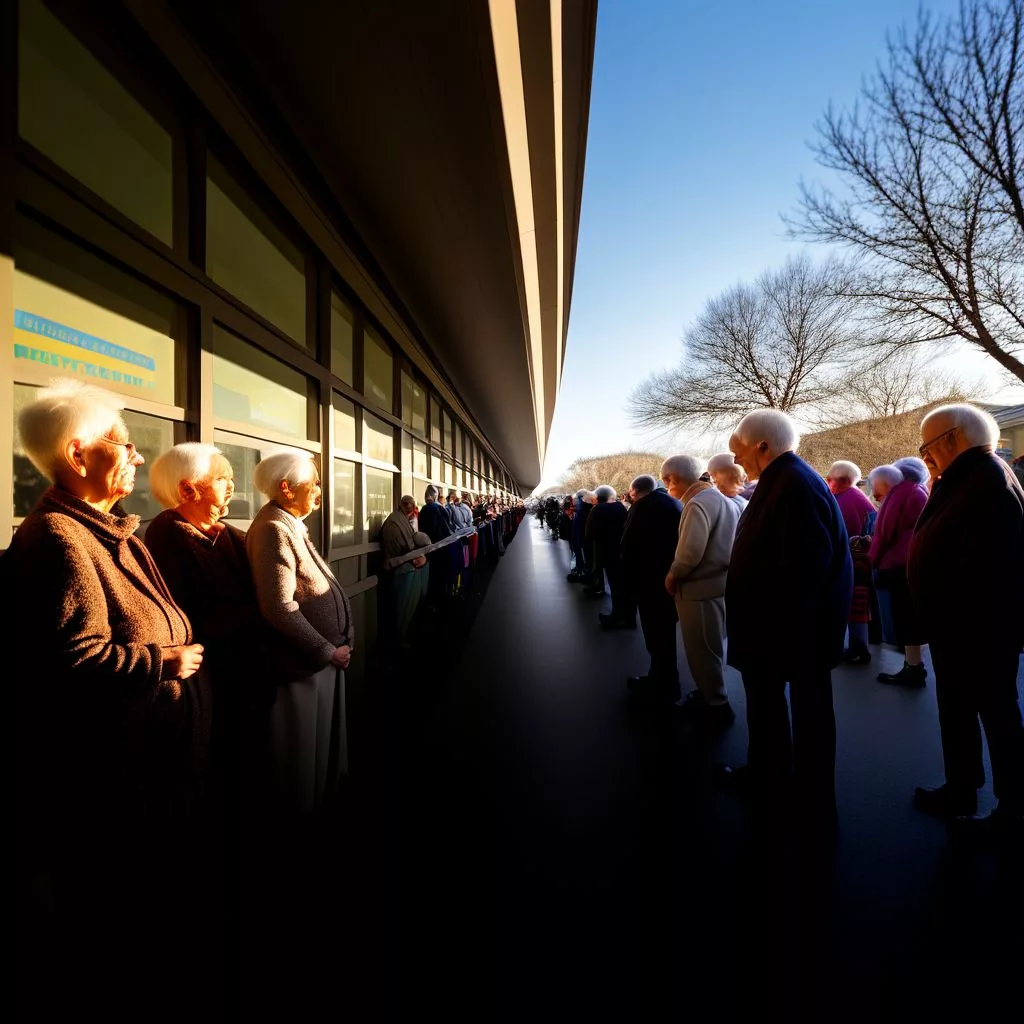
In 2025, South Africa’s SASSA tightened the rules for Older Person Grants, stopping payments right away if there’s any doubt about eligibility. Elderly recipients must quickly prove their income and assets, facing tougher paperwork and longer waits at offices. This stricter process, meant to prevent fraud and save money, has made life harder for many older people who rely on these grants to survive. Despite the challenges, families, communities, and advocacy groups keep supporting them through the tough new system.
What are the key changes to the SASSA Older Person Grants in 2025?
In 2025, SASSA tightened verification for Older Person Grants by stopping payments immediately if eligibility is questioned. Beneficiaries must provide income and asset proof within three months, face stricter documentation, and navigate more complex appeals, reflecting increased scrutiny amid economic pressures.
The Shifting Landscape of Social Welfare
In the cool pre-dawn hours of August, South African cities and towns begin to stir. Elderly citizens, bundled against the morning chill, gather outside SASSA offices nationwide. These lines, stretching around corners and along sidewalks, set the tempo for the month ahead. For millions, the SASSA Older Person Grant remains the thin line separating dignity from hardship. Each year, as the winter wanes, the grant system shifts – sometimes subtly, sometimes with seismic effect.
The roots of this monthly ritual stretch back decades. During apartheid, South Africa’s welfare system reinforced deep racial inequalities, reserving benefits for the privileged few. After 1994, a new government tasked itself with redressing these imbalances, broadening access to social grants. The introduction and steady expansion of the Older Person Grant symbolized this transformed approach, turning benefits from an instrument of exclusion to one of inclusion. Yet, as the years have passed, the system faces burden after burden: more recipients, limited resources, and ever-tightening fiscal constraints.
In August 2025, these pressures reach a boiling point. South Africa’s social safety net stands at a crossroads. SASSA, now led by CEO Temba Matlou, adjusts old rules and introduces new ones, aiming to balance compassion with control. By tightening verification processes and scrutinizing every beneficiary, the agency seeks to protect public funds. At the same time, these changes bring fresh anxieties and obstacles for the elderly who depend on the grants. Each new requirement, each delayed payment, shapes the daily lives of millions.
Verification Tightens: New Rules, New Hurdles
August 2025 marks a decisive shift in how SASSA manages eligibility for Older Person Grants. Gone are the days when beneficiaries received ample warning before reviews. Now, the agency withholds payment first and requests supporting documents only afterward. This adjustment, intended to curb fraud and trim waste, arrives as both a policy announcement and a lived reality, felt most acutely in the homes and hearts of grant recipients.
SASSA now subjects every beneficiary to more rigorous scrutiny. The agency has eliminated the previous three-month notice period, instead stopping payments immediately when eligibility comes into question. Any grant recipient facing this suspension must provide documents – proof of income, up-to-date identification, and asset statements – within three months if they wish to retain their grant. SASSA warns: “You have three months to come forward to SASSA and prove your personal income/assets are in order.” If recipients fail to do so, the grant vanishes, sometimes for good.
Navigating the new bureaucracy proves a daunting challenge for many. The elderly must secure bank statements, dig up pension slips, and travel – often at great expense and physical strain – to SASSA offices. Some cope with the process through resilience; others grow frustrated or defeated. The lines outside branches grow longer as more grants undergo review. As the month unfolds, the mood among those waiting shifts between grim endurance and open frustration: “Last month, they told me to bring my bank statements. This month, they tell me again. Why must I always prove I’m still poor?” laments Mrs. Dlamini, a seventy-two-year-old Soweto resident.
The strain does not stop with the elderly. SASSA staff face mounting workloads, with branch workers pulled from their offices to assist at the counters. Even as the CEO urges hands-on involvement, the scale of the task strains the agency. Staff members, often overwhelmed, struggle to explain the new rules while also processing an avalanche of paperwork. For some, the process evokes the bureaucratic labyrinths described by Franz Kafka – where the rules shift, but the consequences remain painfully real.
Art, History, and the Human Story
The spectacle of South Africa’s elderly waiting in endless lines finds echoes in the nation’s art and collective memory. In the expressive brushstrokes of Gerard Sekoto, township life and daily endurance come alive, depicting the patience and quiet hope that color these gatherings. The queues themselves recall the lines of 1994 – scenes of historic change, where citizens waited to cast their first democratic votes. Then, the lines promised freedom and possibility; now, they embody the daily struggle for economic survival.
Yet, the state’s watchful eye has grown sharper and more sophisticated. SASSA’s new methods echo the theories of Michel Foucault, who wrote of modern surveillance and the invisible workings of power. Today, digital tools track every transaction, while databases cross-reference incomes and assets to catch any deviation from the rules. The agency no longer relies on face-to-face interviews alone; it monitors financial flows, searching for signs of ineligibility. This digital panopticon brings both efficiency and anxiety, as beneficiaries worry that a missed detail or an unexplained deposit could jeopardize their lifeline.
For those caught in the system’s grip, the stakes are high. SASSA’s recalculated means and asset tests leave little room for error. If an investigation reveals a recipient exceeded the allowable income – even by a small margin – the agency calculates exactly how much was overpaid and demands repayment. “If you cannot prove your innocence, you will have to pay back the money in full to the government,” a SASSA official warns. Recipients may choose to repay in a lump sum or through monthly deductions, but interest accrues if they take too long. For many, the rules feel unyielding, offering little mercy for honest mistakes.
Pathways Forward: Appeals, Applications, and Persistent Challenges
Despite the upheaval, beneficiaries retain the right to appeal SASSA’s decisions. The Department of Social Development allows 90 days for any applicant or recipient to submit a formal challenge if denied a grant. Navigating the appeals process, however, demands patience and perseverance. Each step requires careful documentation and strict adherence to deadlines. Community organizations and advocacy groups often step in to help, guiding the elderly through the appeals maze. Their support underscores the resilience that has defined South African social life for generations.
For new applicants, the hurdles have grown higher. The application process for Older Person Grants now demands more paperwork than ever before. Prospective beneficiaries must produce valid identification, detailed proof of income, and evidence demonstrating that assets fall below the new limits. Local SASSA offices, often stretched thin, sometimes struggle to keep pace with the surge in applications and appeals. The administrative strain tempts some to give up, while others turn to family or neighbors for help.
The grant payment calendar, a steady presence in the lives of millions, offers structure amid uncertainty. SASSA has adjusted the schedule to include a fourth date each month for those needing to update or confirm their details. For many, this change brings hope of resolution; for others, it underscores the shifting sands beneath their feet. Since May 2025, SASSA has put over a quarter of a million grants on hold, pending verification – an administrative feat, but also a source of hardship for countless families.
Economic Pressures and Social Realities
Behind these changes, broader economic forces churn. South Africa, like much of the world, faces persistent inflation, slow wage growth, and rising living costs. The April 2025 grant increases sought to cushion the blow for the most vulnerable, but the higher payments brought new scrutiny. SASSA, balancing limited resources against swelling demand, watches every cent.
For beneficiaries, each month’s payment offers both relief and trepidation. The grant arrives – or it does not. A letter may demand more proof, or a notice may announce a pending review. Recipients must remain vigilant, gathering documents, monitoring their bank accounts, and responding quickly to any request from SASSA. The system, designed to protect against abuse, often feels unforgiving to those it intends to serve.
Yet hope persists. The community’s network of family, neighbors, and advocates continues to offer support and guidance. The resilience of South Africa’s elderly – honed by years of adversity – provides a quiet counterpoint to the system’s rigid rules. As winter fades and the August sun rises, their determination endures, shaping the future of social security in a nation still striving for justice and dignity for all its people.
What are the main changes to the SASSA Older Person Grants in 2025?
In 2025, SASSA introduced stricter verification rules for Older Person Grants, stopping payments immediately if there’s any doubt about a beneficiary’s eligibility. Recipients must now provide proof of income and assets within three months to retain their grant. The process involves more complex paperwork, longer waiting times at SASSA offices, and reduced warning periods before payments are halted. This increased scrutiny aims to prevent fraud and protect limited public funds during tough economic times.
How does the new payment suspension process work?
If SASSA questions an older person’s eligibility, payments are stopped immediately without prior notice. The beneficiary then has three months to submit supporting documents such as bank statements, pension slips, identification, and asset proof. Failure to comply within this timeframe results in permanent loss of the grant. This immediate suspension is a significant change from previous years, when recipients received advance warnings before reviews.
What kinds of documentation are required to maintain or apply for the grant?
Applicants and existing recipients must provide valid identification, proof of income (e.g., pension slips, bank statements), and statements showing that their assets fall below the allowable limits. For ongoing verification, detailed financial documentation is necessary. The increased paperwork and documentation requirements have made the process more difficult, especially for elderly people with limited mobility or access to financial records.
What options do beneficiaries have if their grant payment is stopped or denied?
Beneficiaries have the right to appeal a SASSA decision within 90 days of denial or suspension. The appeals process requires submitting detailed documentation and following strict deadlines. Advocacy groups and community organizations often assist the elderly in navigating these bureaucratic challenges. Although the appeal process can be lengthy and complex, it provides a path to reinstate grants if eligibility is proven.
How have economic conditions influenced the changes to the Older Person Grants?
South Africa faces ongoing inflation, slow wage growth, and rising living costs, putting pressure on social welfare budgets. The April 2025 increase in grant amounts triggered tighter scrutiny to ensure funds are distributed only to eligible recipients. SASSA’s stricter verification and immediate payment suspensions reflect efforts to balance fiscal constraints with the need to support millions of vulnerable elderly South Africans.
What support is available to elderly grant recipients struggling with the new system?
Despite the tougher rules, families, communities, and advocacy groups provide essential support by helping with paperwork, offering transportation to SASSA offices, and guiding beneficiaries through appeals. Some community organizations also provide education about the new requirements and help recipients monitor their grant status. This network of support is crucial in helping older persons navigate the complex system and maintain access to their vital grants.