Cape Town is a city renowned for its natural beauty and diverse wildlife. With its rugged coastline, rolling hills, and towering mountains, the region is home to a rich variety of flora and fauna that attracts visitors from around the world. Whether you’re a birdwatcher, a wildlife enthusiast, or simply looking for a unique experience, Cape Town offers plenty of opportunities to encounter some of Africa’s most iconic animals. Here are some of the best places to see animals in the city.
Cape Point Nature Reserve
Cape Point Nature Reserve, also known as the Cape of Good Hope, is a nature reserve located at the southernmost tip of the Cape Peninsula. The reserve is home to over 250 species of birds, various antelope species, baboons and ostriches. One of the most popular attractions at the reserve is the Cape of Good Hope, which is widely regarded as the southwesternmost point of Africa. Visitors can hike to the top of the Cape of Good Hope to enjoy panoramic views of the rugged coastline and the Atlantic Ocean.
One of the most exciting things to do at Cape Point Nature Reserve is to take a boat tour to see seals and dolphins in the waters around the reserve. The boat tours depart from Hout Bay and offer visitors the opportunity to see these marine mammals up close and personal.
Boulders Beach
Boulders Beach in Simon’s Town is famous for its colony of African penguins. The beach is a protected area within the Table Mountain National Park and is home to around 3,000 penguins. Visitors can get up close to the penguins and watch them as they waddle, swim and sunbathe on the beach. The beach is also a great spot for swimming, sunbathing and snorkelling.
In addition to penguins, Boulders Beach is home to a variety of other wildlife, including dassies, mongoose and various species of birds.
Shark Cage Diving
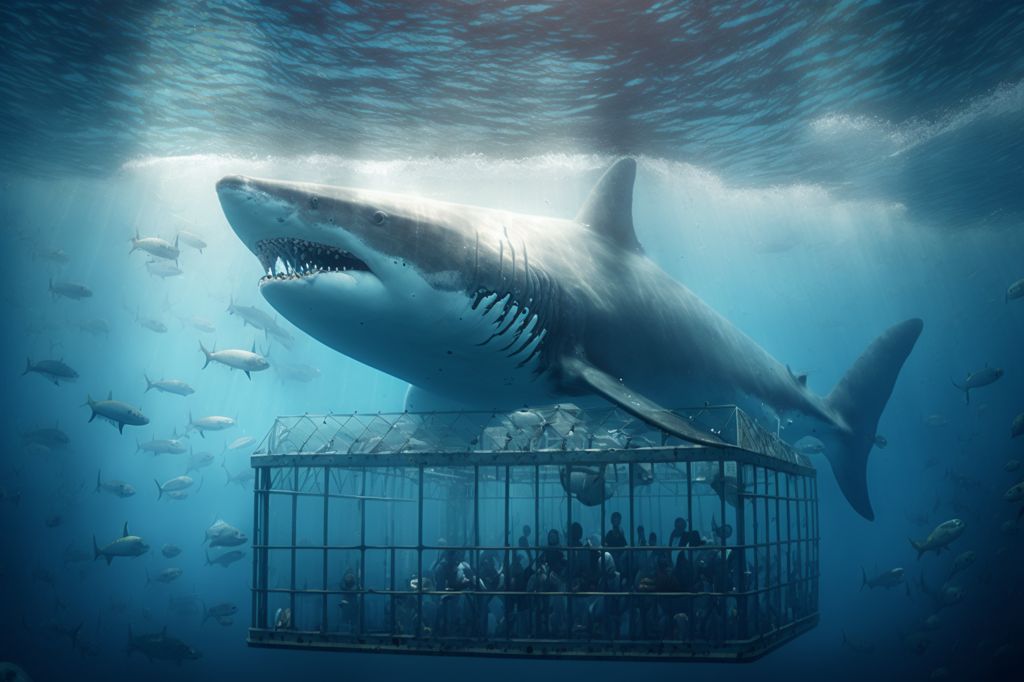
Shark cage diving is a thrilling and unforgettable activity that allows you to get up close and personal with great white sharks. The activity involves being lowered into the ocean in a cage, which is then secured to the side of a boat. The boat crew then uses bait to attract sharks to the area, and visitors can watch and take photos as the sharks swim past the cage.
Shark cage diving is available from several locations around Cape Town, including False Bay and Gansbaai.
Seal Snorkelling
Seal snorkelling is a unique and immersive wildlife encounter that involves swimming alongside Cape fur seals in the waters around Cape Town. The best place to go seal snorkelling in Cape Town is Hout Bay, which is home to a large colony of Cape fur seals. The seals are known for their playful and curious nature, and they often swim right up to snorkellers.
As well as seals, you will also likely see other marine life during the snorkelling excursion, including dolphins, whales and various species of fish.
Kirstenbosch National Botanical Garden
The iconic Kirstenbosch National Botanical Garden is a popular destination for nature lovers, hikers and anyone interested in the Western Cape’s flora and fauna. The garden is home to a wide variety of bird species, including the famous sunbird, sugarbird and the elusive Knysna turaco. Visitors can explore the garden’s many paths and trails, and keep an eye out for these and other bird species.
Visitors can also see various species of small mammals, including the Cape grey mongoose, dassies and several species of rodents.
Cape Town is a city that offers a unique opportunity to experience the varied and rich wildlife of Africa. From boat tours to shark cage diving, seal snorkelling to penguin watching, visitors can get up close and personal with some of the most fascinating animals in the world. With Cape Town’s stunning natural landscapes, exploring the city’s local wildlife while also considering their environmental impact is the perfect way to experience the beauty of the Mother City’s natural environment.