In Kirstenhof, a peaceful suburb, a trusted animal charity called K9 Patrol Pet Army was found to be neglecting and mistreating animals in their care. The SPCA stepped in, rescuing scared dogs, puppies, a cat, and fish from terrible conditions, leading to arrests for cruelty and drug crimes. This sad story shows how important it is for animal groups to have trained people, clear rules, and honesty so animals are truly kept safe. It’s a tough reminder that good intentions aren’t enough—real care must come with responsibility and oversight.
What happened in the Kirstenhof animal welfare scandal involving K9 Patrol Pet Army?
The Kirstenhof scandal exposed severe neglect and cruelty at K9 Patrol Pet Army, a non-profit animal welfare group. The SPCA rescued multiple mistreated animals, leading to arrests for animal cruelty and drug offenses. The case highlights the need for transparency, proper training, and strict oversight in animal care organizations.
A Quiet Suburb Shaken by Crisis
In Kirstenhof, a typically tranquil suburb known for its lush gardens and birdsong, the community recently awoke to a distressing scene. The Cape of Good Hope SPCA arrived at K9 Patrol Pet Army, a non-profit once praised for its dedication to animal welfare. That morning exposed a harsh reality, revealing not just administrative lapses but a deeper ethical failure that reverberated through the organisation’s very foundations.
Initial reports of neglect and suffering among animals in K9 Patrol Pet Army’s care had begun to circulate, drawing the attention of both residents and authorities. SPCA inspectors, acting on these reports, attempted to enter the organisation’s premises, only to encounter firm resistance. The gates stayed shut, and the explanations from within ranged from vague to outright evasive, fueling suspicions and raising the stakes for those determined to uncover the truth.
Persistence paid off when a spate of new complaints surfaced, accompanied by video footage that left no room for doubt. The SPCA swiftly secured a search warrant from the Wynberg Magistrates’ Court, a rare instance of legal machinery moving with urgency. This rapid response underscored the growing consensus that animal welfare isn’t just a private concern, but a matter of societal importance—a legacy stretching back to the earliest animal protection movements.
Shocking Revelations and Legal Fallout
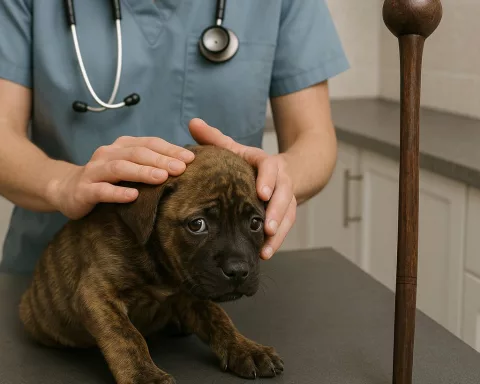
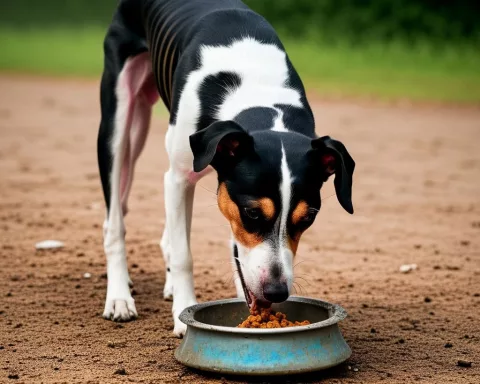
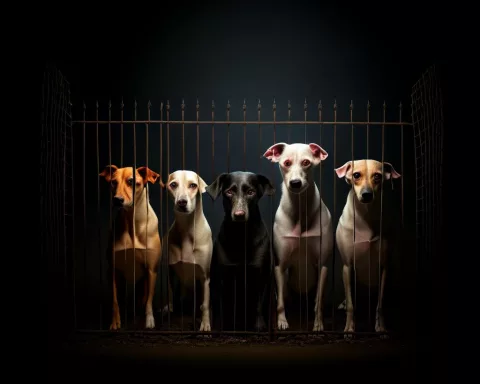
With the search warrant in hand, SPCA officials entered the premises and uncovered a distressing situation. They removed thirteen dogs, eight puppies, a cat, and even several fish from an environment that the SPCA later described as appalling. The animals, visibly frightened and confused, bore the silent marks of prolonged neglect. The fact that so many species cohabited such conditions pointed to a fundamental disregard for their unique needs—a failure that would have horrified animal welfare pioneers like Henry Bergh.
Law enforcement officers, accompanying the SPCA, made significant arrests during the operation. One suspect faced charges of animal cruelty, interfering with authorities, and drug possession. Another individual, Jamie Pieterse, initially eluded police but was later apprehended. Both faced legal consequences for narcotics offenses, linking substance abuse directly to the breakdown in animal care and further complicating the web of neglect.
Jamie Pieterse’s appearance in this saga was no coincidence. The SPCA had already been investigating Pieterse for earlier allegations of animal cruelty. In one striking incident, he reportedly “treated” a dog’s wound in Hanover Park with a crude mix of super glue and aloe, neglecting to clean the injury or offer pain relief. This reckless improvisation, far removed from any veterinary standard, highlighted a dangerous gap between good intentions and qualified care—a gap that regulatory bodies like the South African Veterinary Council (SAVC) exist to bridge.
The Power of Evidence and the Cost of Broken Trust
As the investigation progressed, video documentation emerged as a decisive factor. The footage, captured by a concerned observer, showed the moment Pieterse attempted his homemade treatment on a distressed dog. Without anaesthesia or adequate restraint, the animal’s cries pierced through any defenses, providing undeniable evidence of suffering. These images not only galvanized the case against those involved but also prompted a wave of public outrage.
Such powerful visuals have played a key role in animal advocacy since the Victorian era, when reformers used shocking images and testimonies to mobilize support. In today’s South Africa, smartphones and social media have amplified this effect, bringing graphic realities into the public eye and demanding accountability. While the tools have changed, the underlying ethical demand remains: communities cannot ignore cruelty, and must insist on transparency and responsibility from those entrusted with vulnerable lives.
Trust, once broken, is hard to rebuild. The SPCA soon revealed that K9 Patrol Pet Army actively solicited donations from the public, amplifying the scandal. Well-meaning donors gave their time, money, and resources believing they were helping animals in need. Instead, many realized their generosity may have inadvertently contributed to ongoing suffering. This betrayal echoed broader concerns about transparency in the charitable sector—a theme that has caused public scandals from Victorian-era fundraisers to contemporary crowdfunding campaigns.
Lessons for Animal Welfare and the Road Ahead
The fallout from the Kirstenhof raid rippled far beyond the immediate rescue of animals. Volunteers, donors, and community members grappled with feelings of disillusionment and betrayal. Many questioned whether their efforts had truly alleviated suffering or, tragically, prolonged it. The philosopher Peter Singer’s ideas about effective altruism ring especially true in such moments, emphasizing that the desire to do good must always be paired with oversight, evidence, and accountability.
The Kirstenhof saga also exposes deeper challenges inherent in the animal welfare landscape. Non-profits frequently arise from individuals’ compassion, but passion alone cannot replace proper training, regulation, or resources. History is crowded with examples where enthusiastic but unqualified interventions inadvertently did more harm than good. Without strong institutional oversight, even well-intentioned efforts risk descending into negligence or worse.
South Africa faces particular hurdles in this regard. The country’s diverse landscapes, economic inequalities, and fragmented public services often leave animals vulnerable. Organisations like K9 Patrol Pet Army step in to fill vital gaps, but the Kirstenhof case demonstrates that filling a need is not enough—rigorous standards and ongoing scrutiny are non-negotiable. Abuses thrive when public trust is taken for granted, making regulatory vigilance more urgent than ever.
Artists and writers have long used the treatment of animals as a measure of society’s moral health. While fiction like George Orwell’s “Animal Farm” uses animal suffering as an allegory, the reality in Kirstenhof is stark and immediate: actual dogs, cats, and fish suffered due to failed oversight and misplaced trust. Their ordeal serves as a painful reminder that good intentions, unchecked by accountability, can easily become a pathway to harm.
Moving Forward: Rebuilding Trust and Safeguarding Welfare
As legal proceedings continue, pressing questions confront animal advocates and the broader community. How can society better evaluate the credentials and integrity of organisations that claim to protect the vulnerable? What safeguards are needed to ensure that enthusiasm for helping animals never substitutes for competence and proper training? And finally, how do we, as citizens and donors, ensure our desire to help does not unknowingly support harm?
The events in Kirstenhof, still unfolding, offer a vital lesson: public vigilance, rigorous oversight, and a willingness to confront uncomfortable truths are all crucial if animal welfare is to be genuinely protected. This case stands as a warning to other communities, urging a careful balance between compassion and critical scrutiny.
Ultimately, the true measure of a society’s ethical maturity lies in its ability to protect those who cannot speak for themselves. The voices of the rescued animals, though silent now, challenge us to look beyond good intentions and demand real accountability from those entrusted with their care. The Kirstenhof episode, with all its heartbreak and hard lessons, should galvanize renewed commitment to transparency, oversight, and the highest possible standards in animal welfare—not just in one small suburb, but everywhere animals depend on human kindness.
FAQ About the Kirstenhof Animal Welfare Scandal Involving K9 Patrol Pet Army
What exactly happened at K9 Patrol Pet Army in Kirstenhof?
K9 Patrol Pet Army, a non-profit animal welfare organisation in Kirstenhof, was found to be neglecting and mistreating animals under its care. Following complaints and video evidence, the Cape of Good Hope SPCA obtained a search warrant and rescued 13 dogs, 8 puppies, a cat, and some fish living in appalling conditions. The investigation led to arrests on charges including animal cruelty, interfering with authorities, and drug possession. This scandal revealed serious failures in care standards, training, and oversight within the organisation.
Who was involved in the cruelty and what legal actions were taken?
Several individuals connected to K9 Patrol Pet Army were implicated. Notably, Jamie Pieterse was arrested after initially evading police; he faced charges related to animal cruelty and narcotics offenses. Pieterse was previously under investigation for dangerously improper treatment of animals, such as using super glue and aloe vera on a dog’s wound without cleaning or pain relief. The legal fallout included arrests and charges highlighting the link between substance abuse and animal neglect.
How did the SPCA uncover the abuse at K9 Patrol Pet Army?
The SPCA acted after receiving multiple complaints and video evidence from concerned community members. When initial attempts to inspect the premises were met with resistance, the SPCA secured a search warrant from the Wynberg Magistrates’ Court, enabling law enforcement and inspectors to enter and conduct a rescue operation. Video footage played a critical role in providing undeniable proof of animal suffering and poor care standards.
Why is this scandal significant for the broader animal welfare community?
The Kirstenhof case illustrates how good intentions alone cannot guarantee animal welfare. It underscores the critical importance of proper training, transparency, and accountability in animal care organisations. The scandal also exposes the dangers of unregulated groups soliciting donations while failing to provide adequate care. This betrayal of public trust calls for stronger regulatory oversight, ensuring that charities and non-profits maintain high standards and protect vulnerable animals effectively.
What lessons can donors and volunteers learn from the Kirstenhof incident?
Donors and volunteers should be cautious and perform due diligence before supporting animal welfare organisations. This includes verifying credentials, transparency about operations, and evidence of proper animal care. Supporting groups with clear rules, trained staff, and external oversight helps ensure that contributions truly benefit animals rather than inadvertently enabling neglect or abuse. The Kirstenhof scandal is a stark reminder that passion must be paired with professionalism and accountability.
How can animal welfare organisations prevent similar abuses in the future?
Organisations must establish strict protocols, ensure all staff and volunteers are properly trained, and submit to regular inspections by independent bodies such as the SPCA or veterinary councils. Transparency in operations and finances builds public trust and accountability. Governments and regulatory agencies should strengthen monitoring and enforce penalties for neglect or cruelty. Public awareness and vigilance also play key roles in identifying and reporting abuse early, helping to safeguard animal welfare across communities.