Boosting Cape Town’s Informal Economy: Zero Percent Increase on Informal Trading Permits

1 min read
informal trading economic growth

The City of Cape Town has recently approved a zero percent increase on Informal Trading Permits for the 2023/2024 financial year. This decision is a significant move towards supporting informal traders in the city and fostering job creation and economic growth.

Focus on Informal Trading

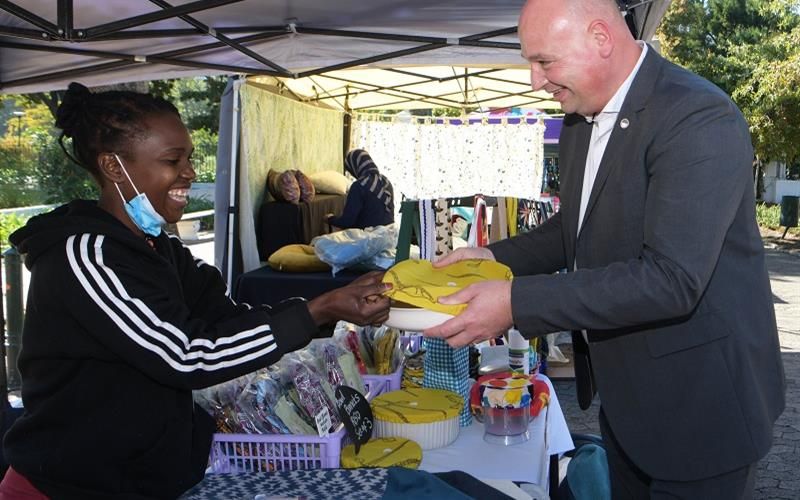
Informal trading is a major contributor to the local economy in Cape Town and a lifeline for many Capetonians. Alderman James Vos, the City’s Mayoral Committee Member for Economic Growth, presented the proposal to the Council, emphasizing the importance of informal trading in the city. This decision aligns with the City’s Ease of Doing Business Index, launched in May, which focuses on facilitating infrastructure investment and economic growth in Cape Town.

Newsletter

Stay Informed • Cape Town

Get breaking news, events, and local stories delivered to your inbox daily. All the news that matters in under 5 minutes.

Join 10,000+ readers
No spam, unsubscribe anytime

Upgrading Informal Trading Infrastructure

The zero percent increase on Informal Trading Permits is part of a more comprehensive plan to stimulate innovation and economic expansion within the informal economy. The City has allocated nearly R100 million towards capital expenditure projects in the 2023/2024 Budget, with more funds directed towards upgrading informal trading infrastructure. This initiative is aimed at providing traders with dignified, accessible, and smarter environments for conducting their businesses.

E-Permitting System Upgrade

As part of the plan, the City is working on upgrading its e-permitting system to enhance support and interaction with the informal trading sector. This initiative builds on the infrastructure upgrades carried out last year, such as the Uluntu Plaza in Happy Valley, Blackheath, as well as trading sites in areas like Kuils River, Dunoon, Mitchell’s Plain, and Ravensmead.

Tailored Informal Trading Plans

Further developments are underway in various communities around the metro, including Mfuleni, Atlantis, and Masiphumelele. These upgrades align with informal trading plans tailored to each area’s unique conditions. To ensure their functionality and business conditions, Alderman Vos plans to visit these sites personally.

Encouraging Engagement

Informal traders are encouraged to engage with the City’s team and participate in training workshops or sign up for online sessions to learn more about the City’s initiatives and support. The email address for contacting the team is informal.trading@capetown.gov.za, while online sessions can be found at https://www.investcapetown.com/news-events/business-events/.

In conclusion, the City of Cape Town’s latest decision to maintain a zero percent increase on Informal Trading Permits for the 2023/2024 financial year demonstrates its dedication to boosting the local economy and supporting the livelihoods of its residents. By investing in infrastructure, providing accessible resources, and fostering a business-friendly environment, the City aims to nurture the growth and development of its informal trading sector.

A Russian-Spanish journalist and Cape Town native, channels his lifelong passion for South Africa into captivating stories for his local blog. With a diverse background and 50 years of rich experiences, Serjio's unique voice resonates with readers seeking to explore Cape Town's vibrant culture. His love for the city shines through in every piece, making Serjio the go-to source for the latest in South African adventures.

Leave a Reply

Your email address will not be published.

Previous Story

The 2023 YouthStart Entrepreneurial Challenge: Nurturing Tomorrow’s Business Leaders

Next Story

Astro-Tourism: Unlocking the Potential of Africa’s Night Sky

Latest from Blog

Forty Metres of Air: The Morning Kiteboarding Rewrote Physics

Hugo Wigglesworth, a young kiteboarder, defied gravity and rewrote the record books by soaring an incredible 40 meters into the air. He used powerful winds, a perfectly timed jump off a wave, and special gear to achieve this amazing feat. His careful planning and hundreds of practice runs made him fly higher than anyone before, showing the world what’s possible in kiteboarding.

Airbnb Under Fire: How Cape Town’s Housing Crunch Became a Tourism Blame-Game

Cape Town’s housing woes are NOT really Airbnb’s fault, even though a viral photo tried to blame them! The real problem is that not enough homes are being built, and lots of new people are moving to the city. Getting building permits takes forever, making homes expensive. Airbnb brings in lots of money and jobs, and even if all Airbnbs disappeared, it wouldn’t fix the big housing shortage. The city needs to build more homes and make it easier to do so, not just point fingers at tourists.

Cape Town’s Hottest Tables: Where Summer Tastes Like Salt, Smoke and Midnight Vinyl

Cape Town’s new restaurants are super exciting, offering amazing tastes from the ocean, farms, and even old recipes. Places like Amura serve unique sea dishes, while Tannin has a huge wine list and tiny plates. Café Sofi bakes heavenly pastries, Beach Buns makes awesome burgers, and Le Bistrot de JAN mixes French and South African flavors. These spots let you taste the city’s lively food scene, from fancy dinners to casual beach eats, making every meal an adventure.

Between Concrete and Current – Four Inland Hearts Meet the Indian Ocean

This article tells a beautiful story of four South Africans from inland places who see the Indian Ocean for the very first time. For many, the sea is just a picture, far away and hard to reach. But when these brave people finally touch the salty water, it changes them deeply. They feel the ocean’s power, taste its salt, and understand that this huge, blue world is now a part of their own story, breaking down old ideas about who can connect with the sea.