
Women in the Western Cape are changing road safety by leading with both strength and kindness. They don’t just enforce the law – they educate drivers, listen, and build trust with the community. These female officers inspire others by showing that keeping roads safe is about teamwork and understanding, not just rules. Their work is making the streets safer and opening doors for more women to lead in traffic enforcement.
How are women reshaping road safety enforcement in the Western Cape?
Women in the Western Cape are transforming road safety by combining firm law enforcement with empathy, education, and community engagement. Their leadership fosters trust, promotes safe driving habits, and inspires future female officers, creating safer roads through teamwork and inclusive policing.
Redefining Road Policing in the Western Cape
The highways and city streets of the Western Cape have always presented tough challenges to those tasked with ensuring public safety. For years, the figure of the traffic officer in this region has symbolized strict, masculine authority. Today, however, the landscape is changing. As Women’s Month unfolds, more and more women take on prominent roles in traffic enforcement, defying outdated gender roles and redefining what it means to keep the roads safe.
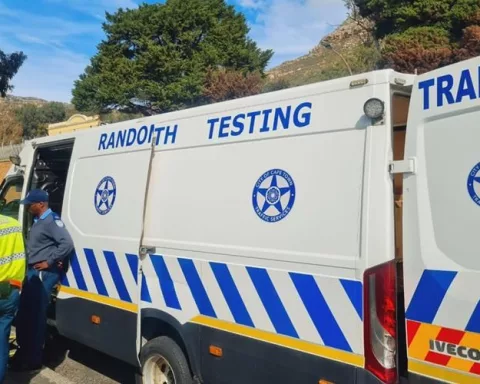
Drive through any major route in the province this August and you are sure to encounter teams of female officers on duty. Dressed in official uniforms, these women actively engage with motorists, establishing checkpoints, checking documents, and upholding the law – not with intimidation, but through a blend of professionalism and human connection. Their presence, once rare, is now integral to the province’s integrated road safety plan.
The Western Cape Mobility Department highlights these changes, celebrating the courage and dedication of its female officers. For Inspector Nthabeleng Sibiya, commanding a team at a busy roadblock outside Somerset West feels routine now. Her leadership style – clear, direct, and approachable – reflects the department’s modern vision: road safety enforced not just by authority, but by an understanding that each driver’s story matters. These women are not simply continuing a legacy; they are actively reshaping the role of law enforcement on South African roads.
Firm Enforcement, Human Touch
What distinguishes the work of these female officers is their ability to harmonize discipline with empathy. Their strategy goes far beyond issuing fines or checking for compliance; they communicate, listen, and advise. This approach, which moves away from rigid enforcement, draws inspiration from global community policing models that emphasize building trust alongside upholding the law.
Inspector Elizabeth Toerien, stationed in Caledon, shares her personal motivation openly: “I lost family members in road crashes. That loss drives me every day to make a difference.” She, and many of her colleagues, transform such personal tragedies into professional purpose. Their lived experiences deepen their resolve, reminding both themselves and the public of the real stakes involved in careless driving and traffic violations.
In practice, these officers focus on education as much as enforcement. When they stop a motorist, they often offer practical tips on safe driving or discuss the importance of seatbelts and attentive driving. Rather than seeing each encounter as a potential conflict, these women use it as a chance to encourage positive change. The department’s approach, rooted in restorative justice, seeks to shift mindsets, foster respect for traffic laws, and, above all, save lives.
Building Partnerships and Community Trust
The efforts of women in traffic enforcement ripple outward, creating new opportunities for collaboration with other agencies and the wider community. Road Safety Coordinator Nokuzola Letselebe points out, “When we work with schools, businesses, and local organizations, we can reach more people with our safety messages.” This networked approach multiplies the impact of their work, transforming isolated checkpoints into touchpoints for broader community engagement.
This collaborative strategy mirrors international best practices. Countries like Sweden, which pioneered the Vision Zero initiative to eliminate traffic deaths, have long recognized that enforcement alone cannot guarantee safety. Education, public awareness, and improvements in infrastructure all play vital roles. The Western Cape’s evolving model, with its strong cadre of female officers, reflects a similar understanding: road safety is everyone’s responsibility, and solutions require teamwork.
Public acknowledgment of these efforts comes straight from the top. Mobility Department Minister Isaac Sileku emphasizes, “Traffic law enforcement is tough. Every safer road and every life saved is their reward, and we thank them for it.” These words reflect not just formal appreciation, but a recognition of the daily risks and difficult choices that officers face – balancing firmness with compassion, discipline with understanding. Each decision made on the road can mean the difference between danger and safety for countless citizens.
Shifting Perceptions and Inspiring New Leaders
Historically, women who enter male-dominated fields often face skepticism, if not outright resistance. Yet, as more female traffic officers become visible in the Western Cape, attitudes are shifting. Their professionalism and skill on the job have begun to inspire admiration and respect, both from the public and from aspiring young women.
The effect of this change runs deep. Schoolgirls, seeing Inspectors Toerien and Sibiya on duty, may now envision futures for themselves in law enforcement – an option that once seemed unreachable. These officers, in turn, become silent mentors, showing through example that leadership, expertise, and empathy know no gender.
Research from organizations like UN Women confirms that gender diversity in law enforcement leads to fairer, more effective policing. Diverse teams tend to foster better communication with the public and handle conflicts with more nuance. In the specific context of traffic enforcement, having a mix of perspectives means officers can relate more deeply to the communities they serve, reducing friction and building genuine trust.
Everyday Heroism: Stories from the Field
Beneath the statistics and official press releases, countless stories highlight the daily impact of these women. At a busy Cape Town intersection, an officer notices an elderly woman struggling to cross and pauses to assist her safely. Elsewhere, a driver, grateful for advice about basic car maintenance from a traffic inspector, leaves better prepared for the road ahead. These small moments, though easily overlooked, quietly prevent accidents and foster a culture of mutual respect.
Inspector Sibiya captures the heart of this mission when she says, “Road safety is a shared responsibility that requires vigilance from every road user, including drivers, passengers, and pedestrians.” By treating every encounter as an opportunity for positive influence, these officers help cultivate a sense of collective duty – reminding everyone that safety is not just a rule, but a community value.
Blending Function and Inspiration: The Art of Enforcement
Traffic law enforcement, at its best, resembles a carefully choreographed performance. Directing vehicles, negotiating tense situations, and responding to the unexpected all require creativity and adaptability. Like artists who balance form with function, these officers combine practical skills with the aspiration to make a difference.
Their daily routines – the blare of horns, the ebb and flow of traffic, the calm reassurance of their presence – have become part of the Western Cape’s public life. Each shift, each intervention, is a brushstroke in the ongoing story of progress. Female officers on these roads have become more than just enforcers; they are symbols of hope, change, and possibility.
The transformation underway in the Western Cape does not belong to history alone. It happens every day, as female officers interact with motorists, prevent tragedies, and show what it means to serve with both strength and compassion. Their work points to a safer, more inclusive future – one in which every road user, regardless of gender, can travel with greater confidence and security.
Word count: ~1,140
FAQ: Women Leading Road Safety in the Western Cape
1. How are women changing the landscape of road safety enforcement in the Western Cape?
Women in the Western Cape are reshaping road safety by blending firm law enforcement with empathy, education, and community engagement. They don’t just focus on issuing fines; instead, they build trust with drivers by listening and offering practical advice. This approach promotes safer driving habits and fosters teamwork, ultimately making the roads safer for everyone.
2. What makes the approach of female traffic officers unique compared to traditional enforcement methods?
Female traffic officers harmonize discipline with a human touch. Their enforcement is grounded in restorative justice principles, emphasizing education alongside compliance. They take time to communicate with motorists, sharing safety tips and encouraging respectful driving behaviors rather than relying solely on intimidation or punishment.
3. How do female officers contribute to community partnerships and road safety awareness?
Female officers actively collaborate with schools, businesses, and local organizations to extend road safety messages beyond checkpoints. This networked approach increases public awareness and mirrors international best practices, such as Sweden’s Vision Zero initiative, which combines enforcement with education and infrastructure improvements to reduce traffic fatalities.
4. What impact has the increased presence of women in traffic enforcement had on public perception and gender roles?
The growing visibility and professionalism of female officers are changing perceptions about gender roles in law enforcement. They serve as role models, inspiring young women and girls to consider careers in traffic policing. Research supports that gender diversity in law enforcement leads to fairer, more effective policing by improving communication and conflict resolution.
5. Can you share examples of how female traffic officers make a difference in everyday situations?
Female officers often go beyond their formal duties – such as assisting elderly pedestrians to cross roads safely or providing motorists with useful advice about vehicle maintenance. These compassionate actions prevent accidents and foster mutual respect between officers and the community, highlighting the officers’ commitment to road safety as a shared responsibility.
6. What challenges do female traffic officers face, and how do they overcome them?
Women in this traditionally male-dominated field face skepticism and resistance, but their dedication, professionalism, and empathetic leadership help overcome these barriers. Many draw motivation from personal experiences with road accidents, turning tragedy into purpose. Their success is supported by departmental leadership that values inclusive and community-centered policing.
If you want to learn more about the inspiring work of female officers or support road safety initiatives in the Western Cape, visit the Western Cape Mobility Department’s official channels for updates and community programs.