Brighter Future for Gugulethu’s Residents with Electrification Project

1 min read
electrification project community development

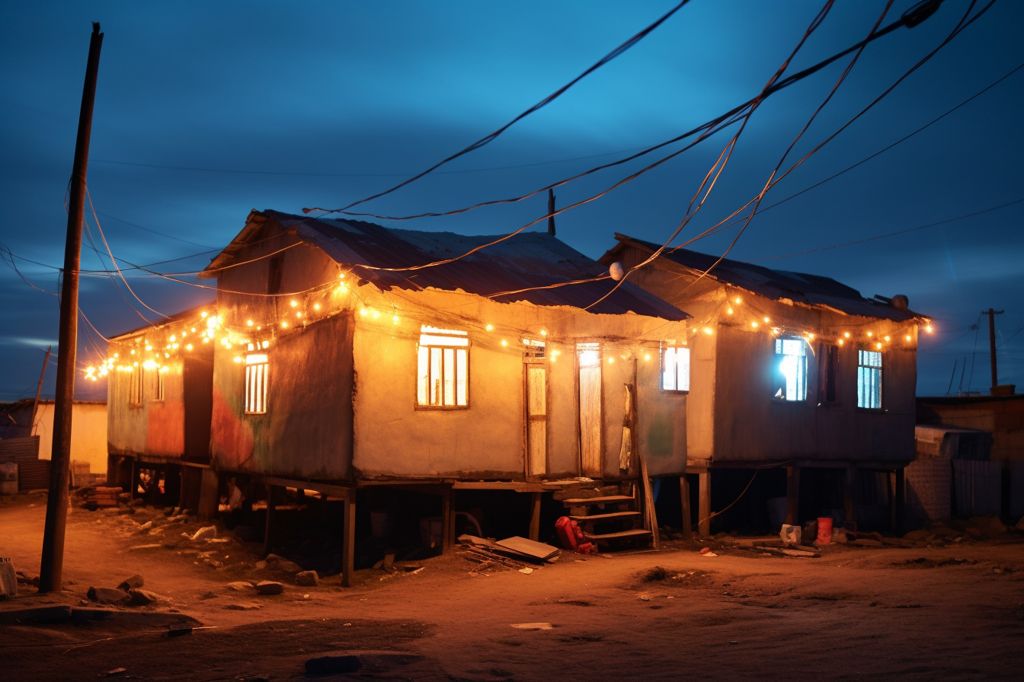
The electrification project in Gugulethu’s Khikhi and NY61 areas is a significant milestone for the community. The initiative has connected 571 households to the electricity grid, transforming the living conditions of the residents and improving their safety by eliminating the need for open flames.

City’s Commitment to Electrification

The City’s priority has been to electrify nearly all older informal settlements in the metro on City-owned land. This achievement was recently celebrated with the attendance of City’s Mayoral Committee Member for Energy, Councillor Beverley van Reenen, and other dignitaries in the area.

Newsletter

Stay Informed • Cape Town

Get breaking news, events, and local stories delivered to your inbox daily. All the news that matters in under 5 minutes.

Join 10,000+ readers
No spam, unsubscribe anytime

Success of the Electrification Project

Councillor Van Reenen expressed her satisfaction with the completion of 401 planned connections in the area. The City allocated almost R4.5 million to ensure the project’s success, demonstrating a commitment to improving the lives of its residents.

‘Doing More’ to Bring Electricity to More Homes

Under the theme of ‘Doing More,’ Councillor Van Reenen announced the electrification of over 2,012 homes since July 2022. These connections encompass subsidized housing, informal settlements, infills, and backyarder connections. The City has invested approximately R24 million in these projects, benefiting thousands of people and creating better opportunities for residents and their children.

A Brighter Future for Gugulethu

The electrification project in Gugulethu’s Khikhi and NY61 areas provides access to basic electricity services and a sense of security for residents. The improved living conditions will undoubtedly contribute to unlocking opportunities for the residents and their children to prosper.

Remaining Vigilant and Reporting Damage

Residents are urged to report any damage to municipal electrical infrastructure. Anonymous tip-offs can be made to curb illegal activities relating to the electricity grid. In case of emergencies, residents can call 112 from a cell phone (toll-free) or 107 from a landline, or 021 480 7700.

Investing in Infrastructure for a More Secure Future

The electrification of Gugulethu’s Khikhi and NY61 areas is a reminder of the positive impact infrastructure projects can have on communities. By providing essential services and prioritizing the needs of its residents, Gugulethu is set on a path toward a more prosperous and secure future.

A Russian-Spanish journalist and Cape Town native, channels his lifelong passion for South Africa into captivating stories for his local blog. With a diverse background and 50 years of rich experiences, Serjio's unique voice resonates with readers seeking to explore Cape Town's vibrant culture. His love for the city shines through in every piece, making Serjio the go-to source for the latest in South African adventures.

Leave a Reply

Your email address will not be published.

Previous Story

Eastern Cape Rural Development and Agrarian Reform: Women Empowerment through Agriculture

Next Story

The Rise of Electricity Scammers in Cape Town: A Call for Vigilance and Awareness

Latest from Blog

Cape Town’s “Red Wedge”: How a 900-Metre Airport On-Ramp Became South Africa’s Most Watched Kill-Zone

{“summary”: “The \”Red Wedge\” in Cape Town is a dangerous 900meter stretch of airport road. It’s famous for terrible crimes like carjackings and smashandgrabs, making it South Africa’s most watched ‘killzone.’ This area was poorly designed in the 1970s, which now helps criminals ambush cars. Even with many cameras, police struggle to stop the quick attacks. Now, a big wall is being built, and new tech like drones and special apps are helping to fight back against the robbers.”}

South Africa’s 2025 Beef Surge: When Biology, Red Tape and a Thirsty Planet Collide

South African beef prices shot up in 2025, not because of local good news, but because the world ran short of red meat. Fewer cattle everywhere and China’s pork problems made other countries hungry for South African beef. Even with local sickness and people here buying less, farmers made more money. They sold to new places like the Middle East, using special tricks to get around problems. But the future is tricky, with animal sickness, changing weather, and how much money is worth all playing a part in what happens next for South African beef.

A Province That Won’t Stop Knocking on the Constitutional Door

The Western Cape really wants to break away from South Africa, but it’s super hard because of the law. The country’s main rule says South Africa must stay as one, and changing that is almost impossible. Even though many people in the Western Cape feel left behind and want to control their own future, the government keeps saying ‘no’. So, for now, the Western Cape has to find other ways to get more power without leaving the country.

The Invisible Poison Lurking Beneath Sapphire Waves

{“summary”: “Imagine tiny, invisible sea bugs that create a deadly poison. Mussels eat these bugs and become full of this poison, called saxitoxin. If people eat these poisoned mussels, their nerves stop working, and they can’t breathe. This hidden danger is causing big problems for people who gather mussels and for the sea itself, killing lots of sea creatures and making the ocean sick. Scientists are working hard to find ways to spot this silent killer and keep everyone safe.”}