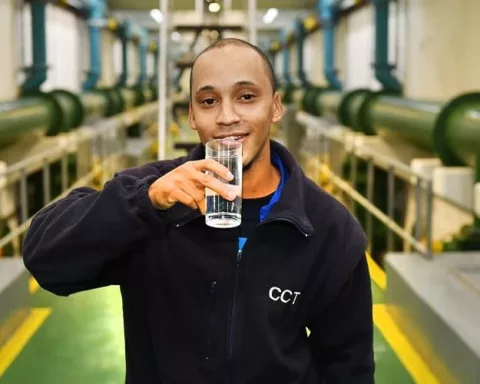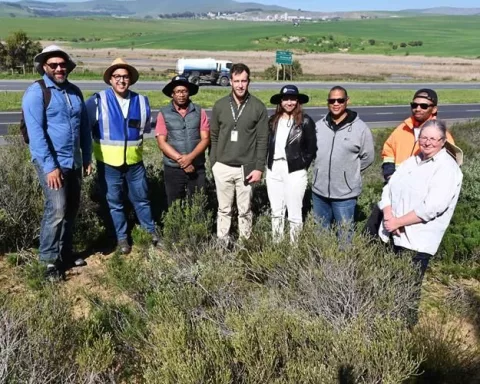
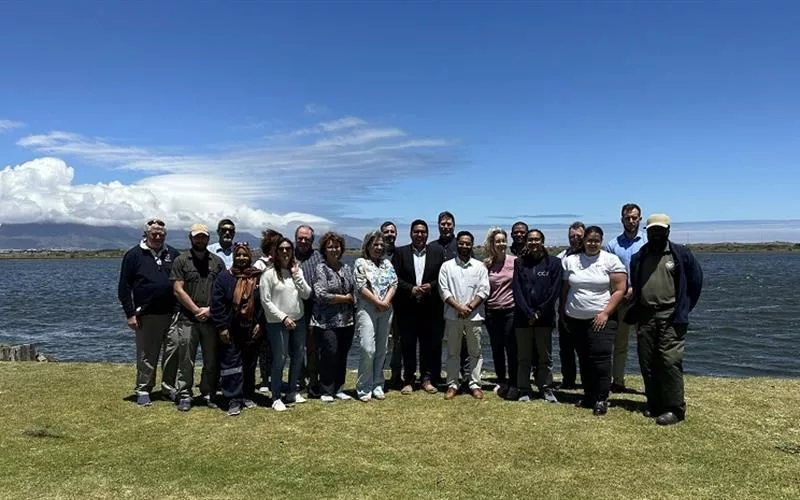
Cape Town is a beautiful city in South Africa, known for its stunning landscapes and vibrant culture. However, it faces serious environmental challenges, like polluted water and waste problems that threaten both health and nature. The city is working hard to improve its water quality and restore its rivers and wetlands, showing a strong commitment to sustainability. Programs are in place to engage the community and encourage everyone to help protect their environment. Cape Town’s journey is a powerful story of resilience and hope, as it strives to create a cleaner, healthier future.
What are the main environmental challenges Cape Town faces?
Cape Town confronts significant environmental challenges including nutrient enrichment in water bodies, E. coli contamination due to sewage pollution, and issues related to solid waste and illegal dumping. These factors threaten public health and ecological balance, driving the city’s initiatives for improved water quality and sustainability.
A Snapshot of Cape Town’s Urban Landscape
Nestled in the Western Cape of South Africa, Cape Town is a city celebrated for its stunning scenery and diverse cultural richness. This metropolis, influenced by the rhythms of both the Atlantic and Indian Oceans, is not just a hub for tourists but a rapidly growing city facing the global challenges of urban expansion and climate change. In this context, the City’s latest Annual Inland Water Quality Report provides crucial insights into efforts to safeguard and enhance the health of its inland water bodies from October 2021 to September 2023.
Cape Town’s ambition to be a water-sensitive city by 2040 is vividly illustrated in the report. The city’s waterways bear the historical imprints of colonial expansion and modern urban growth, yet there’s a clear determination to reverse these impacts through strong initiatives. Significant progress has been noted in enhancing the ecological health of rivers, wetlands, and vleis, even as urban development continues to exert pressure.
Addressing Environmental Challenges: Nutrient Enrichment and E. coli Contamination
The report highlights the critical issue of nutrient enrichment in water bodies, a legacy of industrialization and its environmental impacts. High levels of phosphorus and nitrogen lead to excessive plant growth, resulting in eutrophic conditions that complicate water management. While these nutrients promote aquatic life, they simultaneously degrade water quality, making it unsuitable for human consumption.
Another pressing concern identified is Escherichia coli contamination, underscoring the ongoing struggle with sewage pollution. Vandalism and improper use of sanitation systems contribute to frequent spills, while runoff from informal settlements adds greywater and waste to watercourses. Combined, these factors pose significant risks to public health and environmental well-being, echoing long-standing worries of urban planners and environmental advocates.
The problem of solid waste and illegal dumping presents yet another formidable challenge, rooted in historical neglect and poor management of industrial waste. Irresponsible disposal into rivers and stormwater systems leads to severe consequences for aquatic ecosystems, upsetting the delicate balance needed to sustain biodiversity and ecological health.
Proactive Measures: Initiatives and Community Involvement
In response to these environmental pressures, the City of Cape Town has launched a range of initiatives aimed at reversing pollution trends. The Mayor’s Priority Programme for Sanitation and Inland Water Quality highlights the city’s commitment to revitalizing aquatic ecosystems. This program targets the root causes of contamination, setting the stage for healthier water bodies.
The Liveable Urban Waterways Programme further emphasizes Cape Town’s dedication to watercourse rehabilitation. By encouraging biodiversity and creating recreational areas, this initiative promotes community involvement, turning water bodies into vibrant spaces that sustain both nature and human life. This approach reflects the artistic principles of the Arts and Crafts movement, which valued harmony between built and natural environments.
Financial investment plays a crucial role in these efforts. For the fiscal year 2024/2025, Cape Town has allocated R2 billion for wastewater treatment upgrades and R1 billion for projects addressing sewer overflows. This substantial funding mirrors the strategic resource mobilization seen in the ambitious public works of the United States’ New Deal era.
Transparency and Community Engagement as Keys to Success
A key aspect of Cape Town’s strategy lies in transparency, with public access to inland water quality data being a cornerstone. Through the Public Inland Water Quality Dashboard and the City’s Open Data Portal, residents can explore monthly reports and raw data. This open access fosters accountability and empowers citizens with information, aligning with the democratic ideals of the information age.
Councillor Zahid Badroodien, Mayoral Committee Member for Water and Sanitation, champions a vision of shared responsibility. He stresses that improving water quality requires more than government efforts; it demands active participation from residents, businesses, and industries. His call to action reverberates with the spirit of community stewardship, urging all stakeholders to manage waste responsibly and protect water resources. This communal approach draws parallels with the environmental movements of the late 20th century, where grassroots actions often drove significant policy shifts.
A Testament to Resilience and Innovation
The Annual Inland Water Quality Report stands as more than just a document; it is a testament to Cape Town’s determination to tackle urban ecological complexities. As the city moves toward a sustainable future, it must continue to learn from its rich history, drawing lessons from past mistakes while imagining new paths to environmental harmony. Cape Town’s narrative is not simply one of challenges; it embodies resilience and innovation – a testament to humanity’s broader quest to live in balance with nature rather than dominate it.
“`markdown
FAQ about Cape Town’s Environmental Challenges and Initiatives
What are the main environmental challenges Cape Town faces?
Cape Town faces significant environmental challenges, including nutrient enrichment in water bodies, E. coli contamination due to sewage pollution, and issues related to solid waste and illegal dumping. These challenges pose risks to public health and ecological balance, prompting the city to initiate improvements in water quality and sustainability efforts.
How is Cape Town addressing water quality issues?
The City of Cape Town has launched several initiatives aimed at reversing pollution trends, such as the Mayor’s Priority Programme for Sanitation and Inland Water Quality, which addresses root causes of contamination, and the Liveable Urban Waterways Programme that focuses on watercourse rehabilitation and community involvement.
What financial investments is Cape Town making to improve its water systems?
For the fiscal year 2024/2025, Cape Town has allocated R2 billion for wastewater treatment upgrades and R1 billion for projects aimed at addressing sewer overflows. These investments are critical to enhancing the city’s infrastructure and ensuring cleaner water sources.
How does Cape Town promote community involvement in environmental protection?
Cape Town encourages community participation through various initiatives, such as creating recreational areas along water bodies and providing public access to inland water quality data via the Public Inland Water Quality Dashboard and the City’s Open Data Portal. This transparency empowers residents to engage actively in environmental stewardship.
What role does transparency play in Cape Town’s environmental strategy?
Transparency is a cornerstone of Cape Town’s strategy, with public access to water quality data fostering accountability. By informing citizens about the state of their water resources, the city promotes shared responsibility among residents, businesses, and industries in managing waste and protecting water resources.
What is Cape Town’s vision for the future in terms of water sustainability?
Cape Town aims to be a water-sensitive city by 2040, focusing on enhancing the ecological health of rivers, wetlands, and vleis, as well as improving overall water quality. The city’s narrative emphasizes resilience and innovation, reflecting a commitment to creating a cleaner, healthier future for all its inhabitants.
“`