Cape Town is shining bright as a leader in clever water management! With projects like the Atlantis Water Resource Management Scheme and the Cape Flats Managed Aquifer Recharge, the city is finding smart ways to provide millions of liters of clean water every day. These efforts help Cape Town tackle challenges like climate change and a growing population while keeping water sources healthy and sustainable. By working hard and planning for the future, Cape Town inspires other cities to do the same, ensuring that everyone has enough water to thrive.
What innovative water management strategies is Cape Town implementing?
Cape Town is leading in water management through innovative projects like the Atlantis Water Resource Management Scheme, which supplies 13 million liters daily, and the Cape Flats Managed Aquifer Recharge project, targeting 54 million liters daily. These initiatives focus on sustainability, resilience, and meeting growing water demands.
Pioneering Water Management
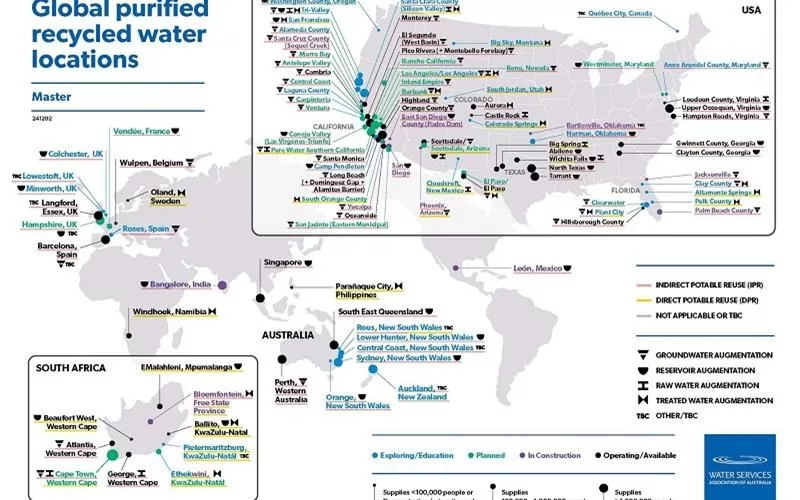
Cape Town, celebrated for its breathtaking scenery and rich cultural heritage, has taken a prominent position on the global stage through its groundbreaking efforts in water management. The city’s innovative projects have earned recognition by being featured on the esteemed Global Connections Map. This collaborative initiative by the Water Services Association of Australia and the USA’s WaterReuse Association highlights 100 cutting-edge water reuse projects worldwide, positioning Cape Town as a beacon of sustainable water management.
The city’s achievements go beyond mere technological advancements; they tell a compelling story of resilience and proactive planning. Like many urban centers worldwide, Cape Town grapples with the dual pressures of climate change and rising population numbers. Its forward-thinking approach to managing water resources serves as a model of how cities can adapt to modern challenges while ensuring their communities thrive.
Innovative Water Schemes
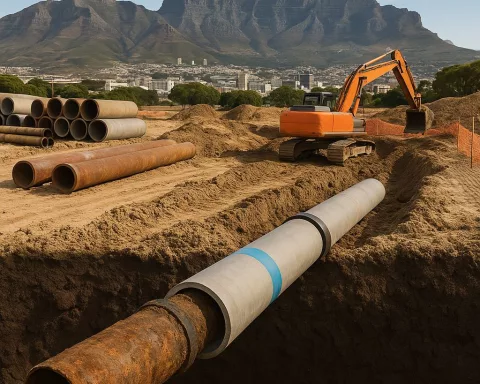
At the forefront of Cape Town’s water management achievements is the Atlantis Water Resource Management Scheme. This operational project showcases the harmonious blend of human ingenuity and natural processes. By employing managed aquifer recharge, the initiative injects treated wastewater and stormwater into aquifers, safeguarding the health of these vital underground water sources. Currently, the system supplies 13 million liters of water daily, with plans to increase this capacity to 40 million liters, a notable stride toward fulfilling the city’s growing water needs.
Another revolutionary endeavor is the Cape Flats Managed Aquifer Recharge project. Located in central Cape Town, this initiative is under development and aims to exceed expectations with a target production of 54 million liters daily. By injecting treated effluent into aquifers, the project not only boosts water supply but also maintains the ecological equilibrium of these subsurface ecosystems, a crucial factor in sustainable urban development.
Capturing the imagination is the ambitious Faure New Water Scheme, still in its design phase. This project has the potential to transform water reuse practices through cutting-edge direct potable reuse technology. By converting highly purified water from the Zandvliet Wastewater Treatment Works into safe and high-quality drinking water, the scheme plans to employ advanced processes such as ozonation, carbon filtration, and ultraviolet oxidation. Once operational, it is expected to contribute 70 million liters daily, with future expansion to 100 million liters, illustrating the future of urban water solutions.
Comprehensive Water Strategy
Cape Town’s dedication to innovation extends beyond isolated projects. The city’s New Water Programme embodies a comprehensive strategy, uniting various approaches to secure its water future. By 2030, this program aims to produce an additional 300 million liters of water daily, demonstrating the city’s determination to stay ahead of increasing demands. This initiative emphasizes not just quantity but also the quality and sustainability of water resources.
Desalination is a vital component of this broad strategy. The Paarden Eiland Desalination Plant, currently in the planning stages, will use advanced multi-barrier treatment technologies to deliver pristine drinking water. This project underscores Cape Town’s commitment to diversifying its water sources, ensuring that its residents have constant access to water. Community involvement plays a key role in the process, as seen in the public participation initiatives like the one set for January 2025, reflecting the city’s dedication to transparency and stakeholder engagement in essential decisions.
A fascinating but often overlooked aspect of Cape Town’s water strategy is the removal of invasive plant species. This cost-effective initiative aims to release billions of liters of water back into the city’s ecosystems. Non-native plants, known for their excessive water consumption, pose a silent threat to local water resources. By eradicating these species, Cape Town not only restores ecological balance but also preserves valuable water reserves for the future.
A Model for Urban Resilience
Groundwater abstraction is another pillar of Cape Town’s water resilience strategy. By tapping into aquifers, the city can secure an additional 100 million liters of water daily. This strategic maneuver provides a critical buffer during drought periods, highlighting the city’s comprehensive approach to water security.
Cape Town’s journey towards water sustainability is not just a technological endeavor but a testament to resilience and foresight. The city’s financial commitment to water infrastructure surpasses that of other major South African cities, demonstrating an unwavering dedication to future generations. With 42% of its R120 billion infrastructure pipeline allocated to water and sanitation, Cape Town sets a benchmark for proactive urban management in an era characterized by climatic uncertainty.
As Cape Town rises as a leader in water reuse, it encourages other cities to reflect on their strategies and prioritize sustainable water management. The city’s projects provide a blueprint for overcoming the challenges posed by climate change and urban expansion. They serve as both inspiration and a call to action for communities worldwide, urging them to embrace innovative solutions and ensure a sustainable and secure water future for all.
In the heart of Cape Town, where the legacy of past civilizations meets the promise of tomorrow, the story of water unfolds – a narrative of innovation, resilience, and hope. As cities globally grapple with water scarcity, Cape Town’s initiatives illuminate the path toward a future where water is plentiful, accessible, and sustainably managed.
“`markdown
FAQ
What innovative water management strategies is Cape Town implementing?
Cape Town is leading in water management through innovative projects like the Atlantis Water Resource Management Scheme, which supplies 13 million liters daily, and the Cape Flats Managed Aquifer Recharge project, targeting 54 million liters daily. These initiatives focus on sustainability, resilience, and addressing growing water demands while ensuring healthy water sources.
What are the key projects contributing to water sustainability in Cape Town?
The key projects include the Atlantis Water Resource Management Scheme, which uses managed aquifer recharge to supply treated wastewater and stormwater into aquifers, and the Cape Flats Managed Aquifer Recharge project, which aims to boost water supply significantly. Additionally, the Faure New Water Scheme is in the design phase, intending to use advanced technologies for direct potable reuse, potentially contributing 70 million liters daily.
How does Cape Town plan to meet its future water needs?
Cape Town’s New Water Programme aims to produce an additional 300 million liters of water daily by 2030. This comprehensive strategy includes various initiatives such as desalination, groundwater abstraction, and the removal of invasive plant species, all contributing to securing a sustainable water future for the city.
What role does community involvement play in Cape Town’s water management?
Community involvement is critical in Cape Town’s water management strategy. The city emphasizes transparency and stakeholder engagement, as seen in public participation initiatives, such as the one scheduled for January 2025. This involvement ensures that residents have a voice in decisions that affect their water sources and quality.
How is Cape Town addressing the challenges posed by climate change?
Cape Town is tackling climate change challenges through a multifaceted approach that includes innovative water reuse projects, strategic groundwater abstraction, and infrastructure investments. The city allocates 42% of its R120 billion infrastructure pipeline to water and sanitation, demonstrating a strong commitment to resilience and sustainability in the face of climatic uncertainties.
What can other cities learn from Cape Town’s water management initiatives?
Cape Town’s initiatives serve as a blueprint for other cities facing similar challenges. By prioritizing sustainable water management and investing in innovative solutions, Cape Town encourages urban centers worldwide to reflect on their strategies. The city’s commitment to resilience and proactive planning can inspire others to embrace similar approaches, ensuring a secure and sustainable water future for all.
“`