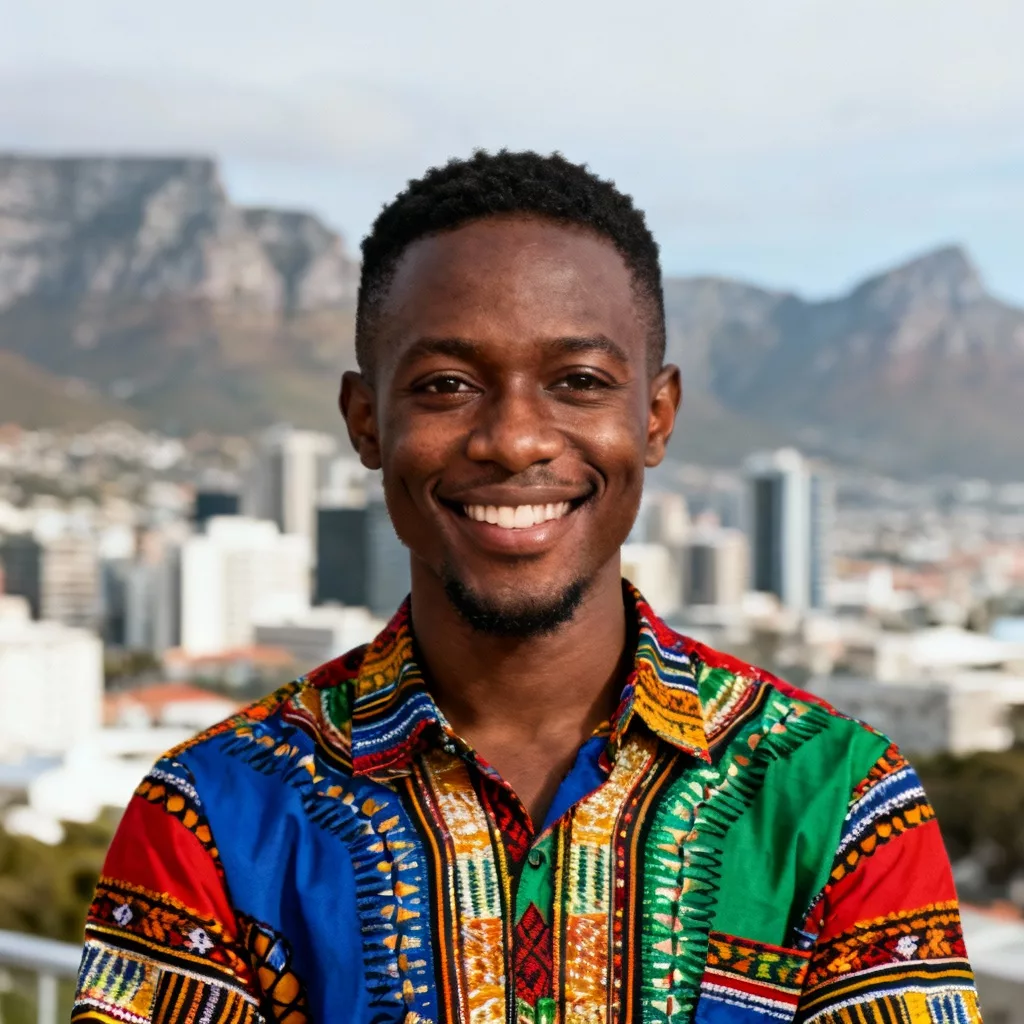
Cape Town has been ranked as one of the top centers of culture globally, outshining iconic cities like Paris, New York, and Amsterdam. This ranking was based on a global survey of city dwellers’ perception of the quality and cost-effectiveness of each city’s cultural landscape. Cape Town’s cultural dynamism has greatly expanded in the past decade, largely due to the inception of premier institutions like the Zeitz Museum of Contemporary Art Africa and the Norval Foundation. This achievement serves as an inspiration for other cities, proving that a vibrant cultural landscape can be established without being financially daunting.
Cape Town: An Emerging Powerhouse of Global Culture
In a recent poll carried out by Time Out Group, Cape Town fondly referred to as the “Mother City,” has made its mark as one of the globe’s leading centers of culture. Outshining iconic cultural behemoths like Paris, New York, and Amsterdam, it has secured a commendable third spot, reflecting its dynamic artistic vibrancy and growing global cultural influence.
Global Cultural Survey
The Time Out survey was a global enquiry among city dwellers, exploring the cultural richness of numerous cities. The rankings were formulated based on the perception of the locals regarding the quality and cost-effectiveness of each city’s cultural landscape. To maintain a globally representative outlook, only the top-ranking city from each country was selected for the final score, thereby filtering the list down to the absolute cream of the crop.
In the lineup of the top 10 cities, Cape Town shone brightly, reflecting its thriving and burgeoning cultural scene. The remarkable expansion Cape Town has undergone in its cultural offerings in the past decade is truly noteworthy.
Growth Factors and Regional Dominance
This growth can largely be credited to the inception of reputed institutions like the Zeitz Museum of Contemporary Art Africa and the Norval Foundation. These premier destinations, paired with a lively array of theaters, private galleries, and artist studios, have significantly boosted the city’s cultural dynamism.
Within the purview of the African continent, Cape Town’s cultural prowess stands unrivaled in sub-Saharan Africa. It is the sole city in this region to feature on the list, with Marrakech, another key African city, securing a spot at number 13.
The People’s Perspective on Culture
According to Grace Beard, Travel Editor at Time Out, this was their inaugural city survey with a concentrated focus on culture. Their objective was to ascertain what constitutes a city’s vibrant cultural scene from the viewpoint of its inhabitants. Over 21,000 city-dwellers worldwide shared their insights, lending credence to the findings.
A primary determinant in the rankings was affordability. Beard stressed that this factor was why cities like London, despite their cultural richness, were missing from the list this time. This focus on affordability emphasizes the significance of accessible art and culture in enhancing a city’s charm.
Mexico City is a prime example of this, lauded by its residents for the diversity, energy, and cost-effectiveness of its art scene. Similarly, Vienna earned plaudits for organizing the largest free open-air festival, delivering a hearty cultural experience minus the financial pressure.
Emerging Culture Capital
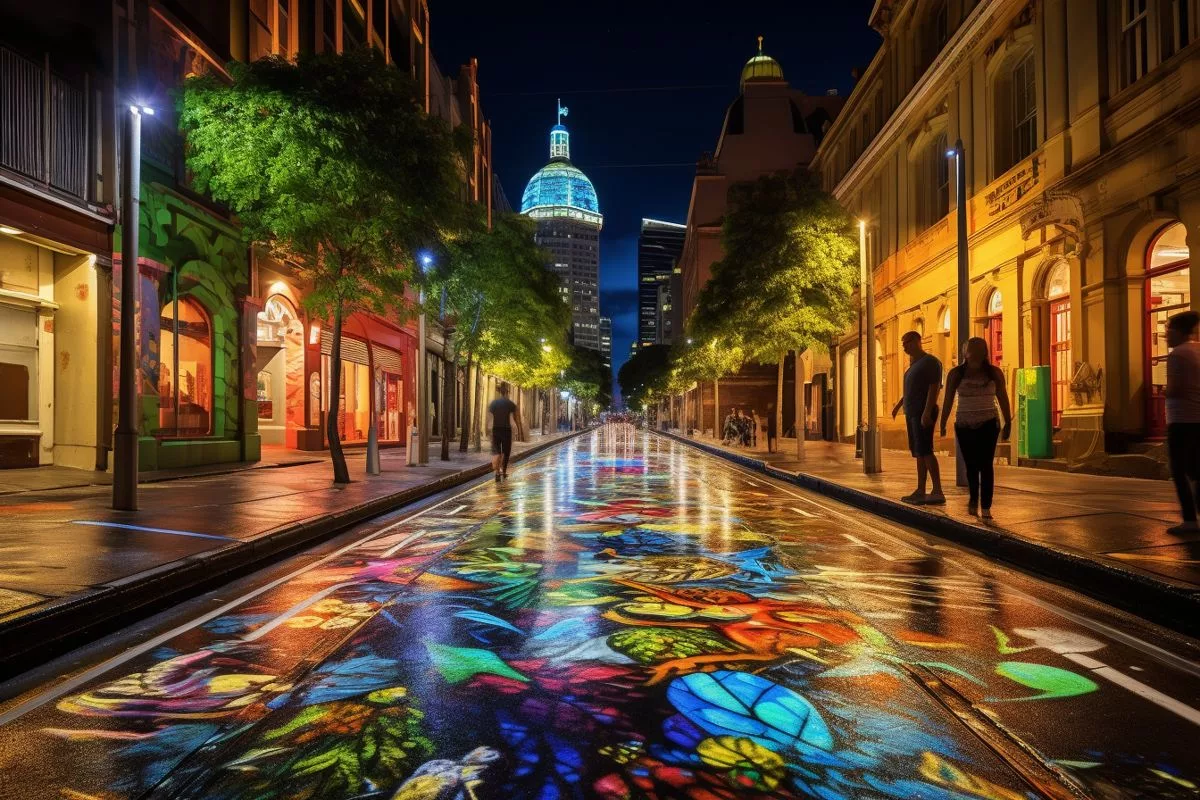
Cape Town clinching the third spot highlights its evolution as a potent global cultural force. The city presents a variety of cultural experiences that are not just superior in quality but also easy on the pocket. This achievement serves as an inspiration for other cities, proving that a vibrant cultural landscape can be established without being financially daunting.
To sum up, Cape Town’s ascendant position on the global cultural stage is a testament to its commitment to arts, theater and culture. It stands as a radiant example of what can be accomplished when resources are invested in promoting and preserving a city’s cultural heritage. Hence, the Mother City continues its inspirational journey, offering a myriad of cultural experiences that are within everyone’s reach.
1. What is Cape Town’s position in the recent global cultural survey?
Cape Town has secured the third spot in the recent global cultural survey conducted by Time Out Group.
2. How were the rankings formulated in the global cultural survey?
The rankings were formulated based on the perception of locals regarding the quality and cost-effectiveness of each city’s cultural landscape. Only the top-ranking city from each country was selected for the final score to maintain a globally representative outlook.
3. What factors have contributed to Cape Town’s cultural growth in the past decade?
The cultural growth in Cape Town can largely be attributed to the inception of reputed institutions like the Zeitz Museum of Contemporary Art Africa and the Norval Foundation, paired with a lively array of theaters, private galleries, and artist studios.
4. What was the focus of the survey conducted by Time Out Group?
The objective of the survey was to ascertain what constitutes a city’s vibrant cultural scene from the viewpoint of its inhabitants.
5. What was the primary determinant in the rankings of the global cultural survey?
Affordability was the primary determinant in the rankings of the global cultural survey.
6. What does Cape Town’s position in the global cultural survey indicate?
Cape Town’s position in the global cultural survey highlights its evolution as a potent global cultural force and serves as an inspiration for other cities, proving that a vibrant cultural landscape can be established without being financially daunting.