Cape Town Collective Legal Chambers is a fresh and modern workspace right in the heart of Cape Town’s legal district. It beautifully mixes the city’s rich legal traditions with new, smart designs and services that make working easier and more flexible for lawyers. With bright offices, advanced technology, and a friendly community vibe, it offers legal professionals a prestigious place to work without the hassle of managing an office. This space isn’t just about buildings—it’s about bringing people together to rethink how law is done today, blending history and modern life in one vibrant spot.
What is Cape Town Collective Legal Chambers and why is it important?
Cape Town Collective Legal Chambers is a modern workspace in Cape Town’s legal district, offering flexible office solutions with state-of-the-art facilities, secure access, and professional services. It combines tradition and innovation to support legal professionals with prestige, convenience, and community collaboration.
Reimagining the Legal Landscape
At the core of Cape Town’s bustling legal district, a quiet evolution is reshaping the professional environment for lawyers and advocates. The Cape Town Collective Legal Chambers now stands on Wale Street, where echoes of tradition blend seamlessly with the pulse of modern innovation. The opening event in May signified more than just the unveiling of a new workspace—it marked a turning point for a sector long defined by formality and established customs.
The launch drew a cross-section of the city’s legal community, each attendee embodying the spirit of change. Premier Alan Winde shared the space with members of The Cape Bar, PABASA, AFSA, and other legal professionals, cultivating an atmosphere thick with excitement and possibility. Tim Harris, previously the CEO of Wesgro and now a leading voice for Mission for Inner City Cape Town (MICCT), addressed the gathering with palpable enthusiasm. Harris’s words captured the essence of the moment: this initiative represents the city center’s newfound vitality, positioning itself as both a beacon of hope and a symbol of urban reinvention.
From the outset, the Cape Town Collective set its sights beyond the mere refurbishment of an office building. Property developers Jeffrey Kleu and Josh Carey envisioned a purpose-built sanctuary for attorneys, consultants, and advocates who require both dignity and adaptability in their workspace. They meticulously designed sixty individual offices on the building’s seventh floor, pairing them with state-of-the-art boardrooms, high-speed fibre internet, and a suite of amenities including showers, secure parking, and a full-service concierge. Every aspect of the chambers reflects a single-minded purpose: to offer legal professionals the gravitas and convenience historically reserved for the most established firms, all while liberating them from the burdens of property management and administration.
Visionary Design and Adaptive Heritage
The development of the Cape Town Collective embodies more than architectural ambition; it is rooted in an understanding of the legal community’s evolving needs. Kleu, recalling the extensive research that fueled the project, shared that legal practitioners repeatedly voiced two priorities: proximity to the Western Cape High Court and the preservation of professional prestige, without the day-to-day complexities of running an office. “This is more than a structure,” Kleu explained, “it’s a tailored response to the modern realities of legal practice.” The chambers’ visual and functional ethos reflect this sentiment, fusing mid-century functionalism with a bright, contemporary outlook.
This innovative workspace is the centerpiece of a R140 million redevelopment effort. Klarey Property Group, under Kleu’s leadership, coordinated the transformation with partners from both the public and private sectors, notably MICCT and the Cape Town Central City Improvement District (CCID). Their shared mission: to reinvigorate Cape Town’s central business district while respecting its architectural and cultural heritage. Tim Harris emphasized during the opening that reinvestment in historic spaces like these strengthens the city’s core, making it safer, more efficient, and accessible to a broader spectrum of people. This vision aligns with global trends, reminiscent of successful revitalization projects in urban centers from London’s Southbank to the arcades of Paris.
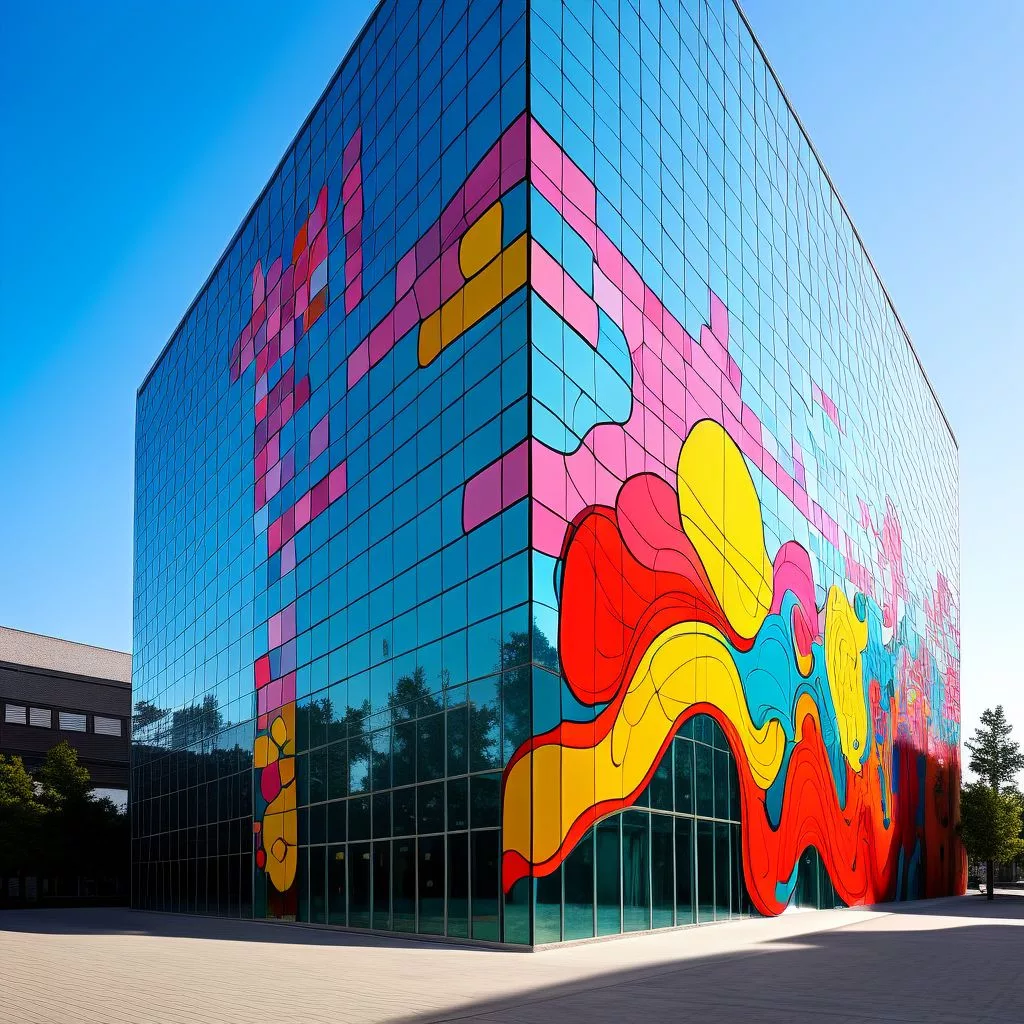
Stepping inside the chambers, one finds more than sophisticated materials and cutting-edge design. Two expansive murals by internationally recognized artist Sonny Behan inject movement and color into the space, bridging Cape Town’s historical context with its cosmopolitan future. These works do more than decorate—they serve as visual anchors, reinforcing the chambers’ commitment to blending art, community, and professional purpose.
A New Paradigm for Legal Practice
Cape Town Collective’s innovation is not limited to its physical appearance; it extends into service offerings and operational philosophy. The chambers cater to a range of legal professionals, offering flexible packages that accommodate every stage of a career. For a minimum of R995 per month, even solo practitioners can secure a prestigious business address, enjoy professional call-handling, and access well-appointed communal lounges and boardrooms. This inclusive approach mirrors the coworking revolution that transformed legal practice in cities like London and Singapore, where collaboration and adaptability now trump rigid tradition.
For clients seeking enhanced services, the gold-tier membership provides eight free boardroom hours each month—an invaluable resource for advocates with demanding, mobile schedules. The facility’s pay-as-you-go court messenger service and advanced VOIP answering system further reduce administrative burdens, ensuring every call and document reaches its destination efficiently. Security remains a focal point, with facial recognition technology safeguarding access to the chambers, on par with leading legal hubs worldwide.
The attention to detail continues in the chambers’ interior fittings. Each office features bespoke furnishings crafted to support the unique needs of legal professionals—ergonomic chairs for long work sessions, ample storage for sensitive files, and tasteful decor that projects confidence and competence. An intuitive online portal allows tenants to book meeting spaces, arrange technical assistance, or coordinate other services with ease. These features collectively signal a new era: one where technological advancement and tradition can coexist, enhancing rather than diminishing the stature of the profession.
Community, Continuity, and the Future of Law
The establishment of Cape Town Collective signals a broader shift within the legal industry, both locally and internationally. The rapid adoption of remote hearings, digital filings, and cloud-based research methods in the wake of the pandemic accelerated a move toward flexibility and innovation. Yet even as technology transforms legal workflows, the need for human connection remains undiminished. The chambers’ design encourages interaction and collaboration, whether in formal meetings or casual conversations in shared lounges. Josh Carey, reflecting on the project’s ambitions, summarized the vision: “This is a platform where legal professionals can come together, work together, and rethink the way law is practiced in the modern world.”
The blend of history and modernity at Cape Town Collective pays tribute to the city’s legal heritage. In the late nineteenth century, legal minds convened in similarly grand chambers, forging relationships and shaping jurisprudence in settings that balanced tradition with progress. Today, the Collective honors this lineage while embracing the dynamism and unpredictability of the present era. It acknowledges that the future of legal work lies not in isolation or rigidity, but in adaptability, openness, and community.
A recent visit to the chambers revealed these values in action. Afternoon sunlight streamed through floor-to-ceiling windows as young attorneys debated strategy and seasoned advocates counseled clients. The air carried a mix of relaxed confidence and creative energy, as if the spirit of possibility itself had taken root within these walls. Behan’s murals, alive with color and motion, seemed to echo the city’s indomitable rhythm.
At this intersection of tradition, innovation, and urban renewal, Cape Town Collective Legal Chambers answers a crucial question for the legal world: Can a profession steeped in ritual and reputation reinvent itself without losing what matters most? In these thoughtfully crafted chambers, the answer unfolds each day—not in loud proclamations, but through the quiet, purposeful work of a new generation of legal professionals.
What is Cape Town Collective Legal Chambers?
Cape Town Collective Legal Chambers is a modern, flexible workspace located in the heart of Cape Town’s legal district on Wale Street. It offers legal professionals prestigious offices, state-of-the-art facilities, and professional services, blending the city’s rich legal traditions with innovative designs and technology. It provides a space where lawyers, advocates, and consultants can work without the hassle of managing their own offices, fostering a collaborative and vibrant legal community.
What facilities and services does Cape Town Collective offer?
The chambers feature 60 individual offices equipped with bespoke, ergonomic furnishings tailored for legal work. Amenities include high-speed fibre internet, secure parking, showers, a full-service concierge, and advanced security with facial recognition technology. Members have access to professional call-handling, communal lounges, well-appointed boardrooms, and an intuitive online portal for easy booking and service coordination. There are flexible membership packages, including a gold-tier option offering eight free boardroom hours monthly and pay-as-you-go court messenger services.
How does Cape Town Collective balance tradition with modern legal practice?
Cape Town Collective honors Cape Town’s longstanding legal heritage while embracing contemporary needs. Architecturally, the space fuses mid-century functionalism with bright, modern aesthetics. Artist Sonny Behan’s murals visually connect the city’s historical legal legacy with its cosmopolitan future. Operationally, the chambers support traditional legal prestige alongside modern conveniences, flexibility, and technology, reflecting the evolving workflows such as remote hearings and digital filings without sacrificing professionalism or community.
Who can benefit from joining Cape Town Collective Legal Chambers?
The chambers cater to a wide range of legal professionals, from solo practitioners to established law firms. Flexible membership packages allow lawyers at various career stages to secure a prestigious business address, reduce administrative burdens, and gain access to collaborative spaces and premium services. This setup is ideal for advocates with mobile schedules, consultants needing flexible offices, and legal professionals seeking connection in a supportive community environment.
What role does Cape Town Collective play in the revitalization of Cape Town’s city center?
Cape Town Collective is a centerpiece of a R140 million redevelopment project aimed at reinvigorating the city’s central business district with respect to its architectural and cultural heritage. Led by Klarey Property Group in partnership with public and private entities like MICCT and the Cape Town Central City Improvement District (CCID), the chambers contribute to urban renewal by creating a safer, more efficient, and accessible workspace that injects new life into a historic part of the city.
How does Cape Town Collective reflect global trends in the legal industry?
The chambers embody the global shift toward flexible, technology-enabled legal workplaces seen in cities like London and Singapore. They emphasize collaboration, adaptability, and shared resources, replacing rigid traditional offices with coworking-inspired models. This approach supports lawyers’ evolving needs in a digital era—combining remote work capabilities, secure infrastructure, and communal engagement—positioning Cape Town as a forward-thinking legal hub aligned with international best practices.