Cape Town is a treasure trove for unique gifts and crafts! Imagine finding honey in old sheet music tins or turning bike tubes into cool wallets. You can explore shops with ever-changing art, see wire sculptures, and discover glowing jewelry. There’s even a special store where you walk through different “chapters” of fashion and art. It’s an adventure to find these special things, far away from big malls.
What are the best independent craft and gift shops to visit in Cape Town?
Cape Town offers a vibrant craft scene across various districts. Top independent shops include:
* Oranjezicht Farm Market: For unique honey, upcycled wallets, and botanical art.
* Fabricate (Mill Street): Discover rotating exhibitions of local crafts and unique jewelry.
* Street-wires (Church Street): Find intricate wire sculptures and custom family name art.
* PICHULIK (Watson Street): Explore glowing jewelry crafted with phosphorescent thread.
* AKJP Studio (Kloof Street): A multi-chapter store offering fashion, ceramics, and unique gifts.
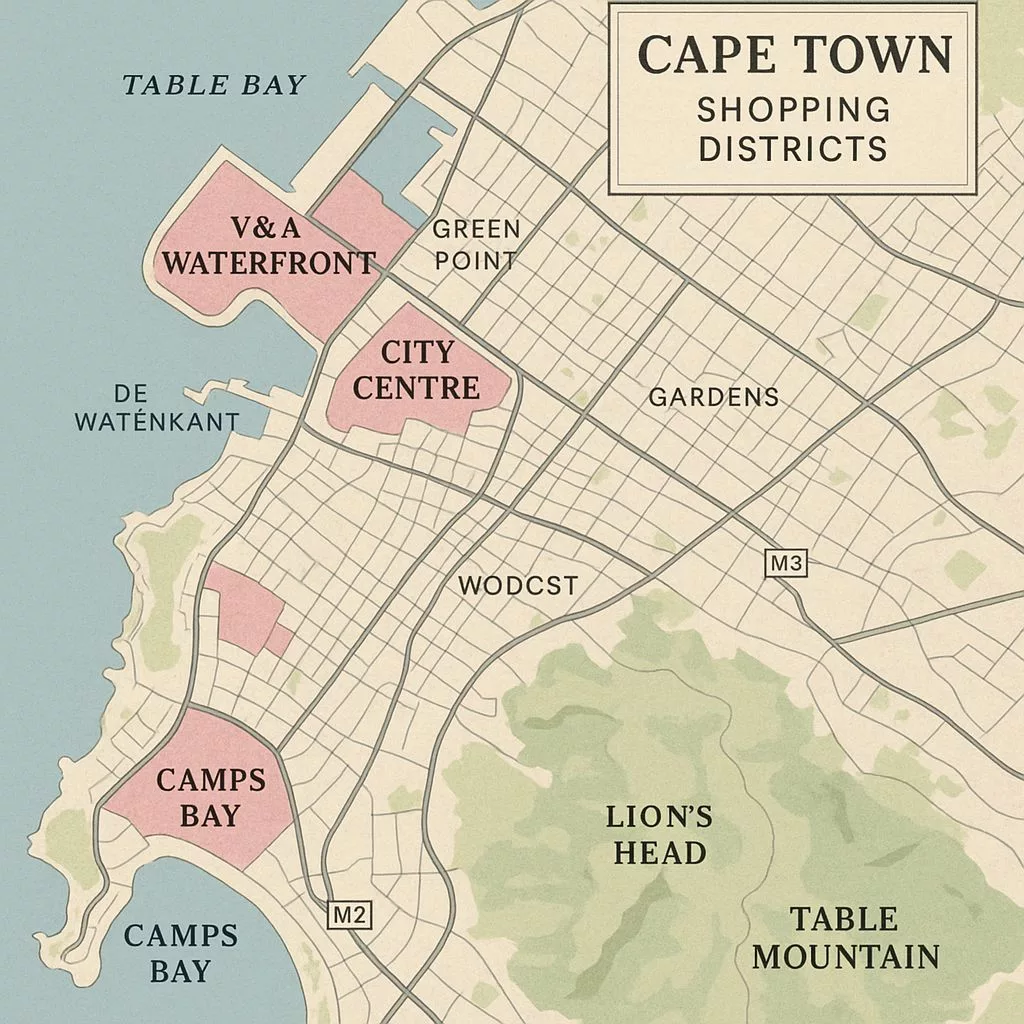
A December treasure hunt through six maker-filled districts, 24 indie studios and a fistful of surprise detours – all without a mall in sight.
Atlantic Sunrise & Mountain Honey
Where the Upper City Bowl keeps its secrets
December light in Cape Town refuses to behave. It dives off the ocean, cartwheels up the pastel walls and settles on the collarbone of anyone carrying a freshly wrapped parcel. In the high streets above town, that glow feels almost conspiratorial, as though the mountain itself is coaching you on what to buy next.
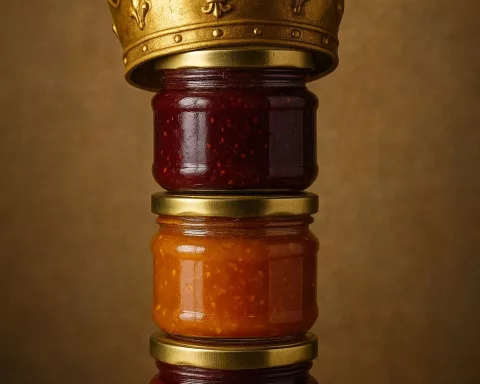
Begin at the Oranjezicht Farm Market on Granger Bay Pier. Saturday opens at eight, Sunday at nine; arrive earlier and the security guards will still share their coffee. Between kombucha taps and sourdough stacks you will spot three stalls that never make it onto Instagram. Cape Honey Bee Project sells raw fynbos honey decanted into retro syrup tins; the labels come from discarded sheet-music rescued at church jumble sales. Upcycle Studio turns punctured bicycle tubes into slim wallets stitched by women from Langa – every tenth wallet funds a school uniform. Botanical Baroque flattens indigenous geranium leaves onto velvet trays; the trays exude a faint mountain scent for weeks and cost less than two cappuccinos.
Once you have caffeinated, walk uphill to Fabricate in the Victorian cottage at 56 Mill Street. Sisters Sarah and Rahimah Badsha treat the shop like a rotating exhibition; stock changes every ten days. If you notice bronze protea earrings by Asha R.K. Eleven, do not hesitate – she destroys every mould once the edition ends. Ask to view the “dark cabinet”, a matchbox drawer labelled in Arabic. Inside sit beaded khamsa hands, each one threaded by Bo-Kaap grandmothers during load-shedding nights. Price tag: R120, small enough to slip inside a Christmas cracker.
Leave Fabricate by the side gate and you will tumble onto a lane where bougainvillea brushes your shoulders. Locals call this the “secret staircase” because it shortcuts to the cable car. Halfway up, a man sells single stems of king protea wrapped in newspaper sheets from 1994. Buy one, even if it dies on the plane; the story will resurrect it forever.
Sea Point Promenade Sprint
Main Road from dawn doughnuts to midnight zines
Sea Point wakes before the rest of the city. By 06:30 joggers thud along the promenade, gulls mug the troller bins and Gujarati popcorn machines start their cast-iron samba. The Lobby at 90 Regent Road unlocks its doors at 08:00 sharp, yet the pavement performs from sunrise.
La Vie Sea Point hands out vegan doughnuts injected with hanepoot grape reduction; the takeaway box features a new comic strip by Karl Schulschenk showing a doughnut that wants to learn how to surf. Rockets, a folding table run by two teenagers, sells 100 % recycled-silver studs shaped like abalone shells; their grandmother taught herself CAD at 73 and now lasers the shapes in the garage. Inside The Lobby, Skin Creamery runs a refill pop-up; bring any empty bottle and you get 15 % off velvety Shea-lotion plus a sticker that reads “I refilled in Sea Point”.
Kelly-Ann, the hotel’s retail curator, keeps a stash of photographer Sipho Mhlambi’s self-published zine “Oceanic Body” behind reception. Ask for “the swimmer’s issue” and she will slide one across the counter like contraband. The zine smells faintly of chlorine, and every fourth page is waterproof so that readers can flip it while floating.
When the sun finally drops, join the promenade parade. Roller-skaters in 1980s neon glide beside toddlers on balance bikes. A saxophonist sets up opposite the traffic lights; his case doubles as a tip jar and a ballot box for passers-by to vote on the next song. Drop in a coin and request “Shosholoza”; the whole street will sing back in three-part harmony.
Church-Bree-Wale Triangle
Downtown loop of rope, wire and spice-shaped clay
The historic grid between Church, Bree and Wale Streets behaves like a living necklace: every bead is a studio, every clasp a story. Start at Street-wires, a co-operative that once supplied traffic-light hawkers and now twists galvanised wire into palm-sized Table Mountains. Give them your family surnames and they will solder them as miniature kramats onto the skyline. Prices start at R150 and the finished sculpture fits inside a coat pocket.
Cross to Bree and duck into Okasie, a shipping-container arcade no wider than a train carriage. Designer Sindiso Khumalo sells off-cuts of her Paris-runway fabrics as bookmark ribbons; purchase three and she emails you the free pattern for the dress those scraps once adorned. Walk one block north to 14 Wale Street where the Slave Lodge museum has a temporary annex. Ceramic incense boats lie in rows, each one pressed from Liesbeeck River clay and fired with vineyard prunings. The underside is stamped with the 1713 spice-grid, a chilling echo of colonial ledgers turned into household scent.
Finish at PICHULIK headquarters in Watson Street. Ask any staff member for the “moon viewing” after 15:30 and they will kill the main lights. In the sudden dusk the Jabulani cuffs – braided with phosphorescent thread – glow like plankton in a night tide. You will be handed a shot of hibiscus tea that tastes the way the colour magenta feels. Buy nothing and you will still leave lighter; buy something and you will remember the dark room every time you clasp the jewellery.
Watershed & Paarden Eiland
Anchors, orbits, steel drums and braai tongs that remember your GPS
Inside the V&A Waterfront’s Watershed, adopt the “anchor & orbit” tactic. Choose one big purchase, then circle outward through three waves of stalls before you exit. Anchor at Granadilla’s Store 35: the new “Sun-Kissed” fleece is knit from salvaged fishing nets and the legs zip off so the garment becomes a beach-changing pod. Orbit 1: Am I Collective sells giant colouring-in canvases of Sea Point prom; scan the QR code on the tube and an augmented-reality fireworks display erupts over your phone on New Year’s Eve. Monkeybiz beaded sneaker ribbons hide a single “artist bead” signed by the craftswoman; find it and you can WhatsApp her a thank-you photo.
Orbit 2 upstairs: Thabo Kganye’s flat-pack theatre recreates a 1960s shebeen; an LED tea-light throws shadows that dance like patrons on payday. Orbit 3 near the swing bridge: Coco Safar’s “Ubuntu” chocolate slab embosses 11 South African languages; break it along the correct line and you spell “enkosi” (thank you) in Xhosa. Harbour horns blast at 18:00; whistle the first four notes of “Shosholoza” and stallholders knock 10 % off on the spot.
Trade harbour gloss for industrial grit by driving ten minutes to Paarden Eiland. Donkey Long Tong opens on Fridays at 11:00; while your braai tong is laser-etched with the GPS co-ordinates of your favourite grilling spot, staff hand you a cold brew roasted two metres away. Wander next door to The Frame Foundry where 16-mm movie reels become wall clocks; email them 15 seconds of your holiday footage and they will splice it into the reel for free. Cape Drum Company hammers hand-pans tuned to 432 Hz; slip a thumb-drive into the shell and you leave with a recording of the instrument’s own heartbeat. Before you leave, let the Moto Guzzi uncles teach you to say “cheers” in three languages: “Gesondheid!” “Nca!” “Jai Shri Krishna!”
Kloof Street Novel & Pocket-Money Surprises
A five-chapter store, plus where to spend your last rand
AKJP Studio stretches an entire block of Kloof Street like a paperback you can walk through. Begin at the bar with a smoked-snoek bagel and a glass of Pongrácz rosé; the ceramic beaker is yours to keep, stamped “Property of the Reader”. Chapter 1: jackets lined with shweshwe that shift from indigo to turquoise under UV light. Chapter 2: bowls pressed with antique lace doilies; the fine porcelain is microwave safe, the philosophy less so. Chapter 3: a reading room where banned-book tote bags come with receipts laminated into bookmarks. Chapter 4: a chaise longue upholstered from 150 recycled AKJP T-shirts; scan the seat’s QR code and watch former owners’ Instagram stories flicker across your screen. Chapter 5: return to the bar for the “designer’s breakfast” at 17:00 – an espresso, beetroot kvass and a shortbread baked around a real R140 note. Eat the biscuit, spend the money, debate the value of art.
Slip out the secret alley door and you will land on Rheede Street where a nightly projection maps poems by Koleka Putuma onto the Methodist church wall. The light show starts when the first passer-by giggles at the paving stone that reads “Laugh here for poetry”.
Still have coins left? Observatory’s Lower Main Market (first Sunday) hides a mystery book stall; every novel costs R40 and arrives with a handwritten note from its previous reader. In Langa Quarter Ngzotheli “Ngz” Mgangxela plates bicycle bells with beads; each sale sponsors a month of swimming lessons for a local child. Surfboard shaper Surfboardist in Muizenberg will rent you a 7-foot “log” for R200; return it with a fresh ding and they’ll teach you to repair it, gifting the off-cut as a key ring stamped “I survived the Atlantic”.
Calendar, Couriers & Curated Gifting
Timelines, logistics and who gets the bronze protea
Mark these December moments:
1 Dec – Oranjezicht night market debuts mulled wine under string lights.
5 Dec – PICHULIK’s Solstice range drops online; pieces are numbered, not sized.
10 Dec – The Lobby hosts a rooftop DJ set and midnight shopping; RSVP via WhatsApp.
15 Dec – Granadilla’s “swim-out” at Clifton 4th gifts the first 50 guests limited-edition robes.
20 Dec – AKJP Bar becomes a wrapping salon; poets type haikus on demand and slip them into parcels.
24 Dec – Donkey Long Tong staff braai on the pavement, turning any tired supermarket tong into a recycled key ring while you wait.
Moving gifts around is painless. Download the City’s Pay-By-Plate app and preload R50; it works across zones and refunds unused credit. Most boutiques offer “track-my-tote” WhatsApp pins; spend more than R800 and a staff member will walk you to your Uber. Courier Guy will collect anywhere in the peninsula the same day for R99, and both AKJP and PICHULIK let you tick a carbon-offset box at checkout. Download EskomSePush, add each shop as a favourite, and load-shedding becomes a candle-lit trunk show you actually asked for.
Still stumped on pairings? Gift the Purist Minimalist a single PICHULIK “Essence” necklace knotted in raw silk – no box, just a slip knot that releases like a secret. The Beach Agnostic gets a Granadilla fleece plus a Langa bell; they will hear Clifton’s waves in Johannesburg traffic. Briaiinsomniacs open Donkey Long Tong engraved with their home co-ordinates plus a crate of boutique wine delivered at 21:00. Nostalgia Hackers unwrap a Fabricate khamsa hand tucked inside a second-hand copy of “Buckingham Palace, District Six”. The friend who has everything receives an AKJP shortbread R140 note – tell them to spend it on nothing and watch the friendship evolve.
Cape Town’s makers run on “now-time”; if they say “just now” it could mean ten minutes, three days or whenever the creative spirit exhales. Leave half a day unscripted, let a side street tug your sleeve, and you will learn the only item rarer than the gift you travelled for is the tale you never planned to wrap.
What kind of unique crafts can I find in Cape Town?
Cape Town offers a diverse range of unique crafts. You can find honey in old sheet music tins, wallets made from upcycled bike tubes, intricate wire sculptures, glowing jewelry crafted with phosphorescent thread, and botanical art made by flattening indigenous geranium leaves onto velvet trays. There are also fashion items that change color under UV light, ceramics pressed with antique lace doilies, and even beaded sneaker ribbons with a hidden ‘artist bead’.
Where are the best independent craft and gift shops located in Cape Town?
Cape Town’s vibrant craft scene is spread across several districts. Key locations include the Oranjezicht Farm Market (for honey, upcycled wallets, botanical art), Fabricate on Mill Street (for rotating craft exhibitions), Street-wires on Church Street (for wire sculptures), PICHULIK on Watson Street (for glowing jewelry), and AKJP Studio on Kloof Street (a multi-chapter store for fashion and gifts). You can also find unique items at The Lobby in Sea Point, Okasie on Bree Street, and the Watershed at the V&A Waterfront.
Can I find sustainable or upcycled products in Cape Town?
Yes, absolutely! Cape Town makers are very conscious about sustainability and upcycling. For instance, the Cape Honey Bee Project uses retro syrup tins with labels from discarded sheet music for their honey. Upcycle Studio transforms punctured bicycle tubes into slim wallets. Granadilla’s ‘Sun-Kissed’ fleece is knit from salvaged fishing nets, and The Frame Foundry turns 16-mm movie reels into wall clocks. Many artists also use off-cuts from fabrics for new creations.
Are there any interactive or customizable craft experiences available?
Several shops offer interactive or customizable experiences. At Street-wires, you can have your family surnames soldered onto a miniature kramat wire sculpture. Donkey Long Tong can laser-etch your braai tong with the GPS coordinates of your favorite grilling spot. The Frame Foundry will splice 15 seconds of your holiday footage into the 16-mm movie reel wall clocks. Monkeybiz beaded sneaker ribbons hide a single ‘artist bead’ signed by the craftswoman, allowing you to connect with the maker.
What are some special events or unique shopping moments to look out for in December?
December is a festive time with several special events. The Oranjezicht night market debuts mulled wine under string lights on December 1st. PICHULIK’s Solstice range drops online on December 5th. The Lobby hosts a rooftop DJ set and midnight shopping on December 10th. Granadilla has a ‘swim-out’ at Clifton 4th on December 15th, gifting limited-edition robes to the first 50 guests. The AKJP Bar becomes a wrapping salon with poets on December 20th, and Donkey Long Tong staff braai on the pavement on December 24th, turning supermarket tongs into recycled key rings.
How can I manage logistics like gift delivery and load-shedding while shopping in Cape Town?
Cape Town makes gift logistics easy. You can use the City’s Pay-By-Plate app for parking. Many boutiques offer ‘track-my-tote’ WhatsApp pins for purchases over R800, with staff even walking you to your Uber. Courier Guy offers same-day collection anywhere in the peninsula for R99. Both AKJP and PICHULIK allow you to tick a carbon-offset box at checkout. For load-shedding, downloading the EskomSePush app and adding shops as favorites can turn power outages into unique, candle-lit shopping experiences.