
Cape Town is fighting a huge mobile black market with smart tactics and quick action. They caught guys selling stolen phones out of a car and even found a secret hiding spot for phones going to other countries. This shows how serious they are about stopping the illegal trade, and they’re using cool tech and community help to do it, making the city safer one phone at a time.
What is Cape Town doing to combat the mobile black market?
Cape Town is actively combating the mobile black market through robust law enforcement, advanced technology, and community engagement. This includes tactical teams, IMEI blacklisting, GPS tracking, and anonymous tip-off lines to disrupt the R400-million shadow trade of stolen devices.
Bellville’s Boot-Sale Bust: Nine Phones, One VW Polo and a WhatsApp Whisper
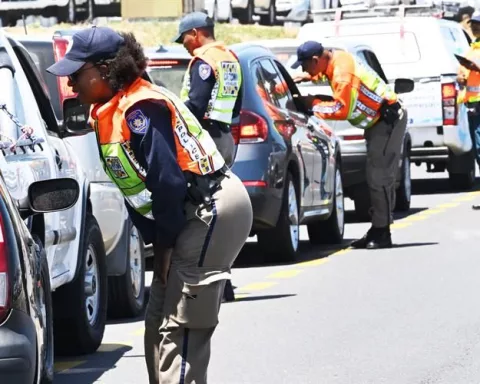
Sergeant Nontsikelelo Mxoli was still finishing her coffee when the voice note arrived at 11:43 on Wednesday, 4 December. A Bellville shopkeeper had grown tired of watching the same silver Polo treat the kerb outside his store like a takeaway counter. Two occupants popped the boot, flashed brand-new iPhones and Samsungs, asked for cash only, then drove off once the stash thinned. Mxoli dropped the recording, the registration number and a Google-pin into the Metro Police chat. Seven minutes later a four-member tactical team was tailing the hatchback along Durban Road.
Inside the loading bay they found the back seat laid out like a tech boutique: nine shrink-wrapped handsets – iPhone 15 Pros, Galaxy S24s and a lone Huawei Mate – plus a crumpled EFT slip for a laughable R450, less than the price of one genuine screen repair. The 31- and 36-year-old salesmen could not produce receipts, boxes or charger cables; serial checks revealed eight of the nine IMEI numbers already lived on the national blacklist. One iPhone had been ripped from a student’s grasp outside Tyger Valley Mall the previous Saturday while she waited for an Uber.
Both men were cuffed for suspected stolen property and frog-marched to Bellville SAPS. Detectives quickly matched the Polo’s recent GPS pings to a tyre-fitment shop in Maitland where containers of used rubber allegedly double as sorting hubs for hijacked handsets. A follow-up tracker led officers to the Vygieskraal cargo depot that same night; there they impounded a Nigerian-registered Coaster minibus whose hollow spare-tyre struts concealed another 47 phones bound for resale in Maputo and Harare. Industry watchdogs estimate 400 000 illicit or counterfeit devices slip into South Africa annually; up to 60 % of them hit Western Cape streets, and last week’s haul just dented the pipeline in real time.
Guns, Hoodies and 311 Gunshots: The Parallel War on Firearms
While the Bellville phone duo were still being booked, a CCTV analyst in the Hanover Park control room flagged a pastel-green council house on Surran Road. Residents had linked a nickel-plated .22 revolver to a teenager’s bullet wound, and within minutes a search team unscrewed roof boards to retrieve the firearm plus eight live rounds. Four adults – two already on bail for separate murder cases – were arrested for illegal possession; ballistics will now test whether the revolver’s rifling matches cartridges collected at four prior gang shootings.
Earlier that morning, at 02:17, a camera operator scanning Jakkalsvlei Road in Bonteheuwel zoomed in on a scuffle near a pedestrian bridge. Grainy footage showed a red-hooded assailant pressing what looked like a pistol to another man’s ribs before both vanished behind a parked container chassis. Ground units followed a 1,3 km heat-trail to a backyard in Sorrel Road, where they kicked in a door and found a 9 mm Parabellum – serial number obliterated – stuffed beneath a pile of nappies. The weapon was later paired through IBIN, Interpol’s ballistic web, to a cash-in-transit heist in Lusaka last August, proving Cape Town’s crime scene exports ripple far beyond the city limits.
Thanks to overlapping shifts and drone support, the week produced nine confirmed firearm seizures city-wide. Acoustic ShotSpotter sensors covering 7,4 square kilometres of Nyanga, Philippi and Delft logged 311 discharges, down from 389 the week before. Alderman JP Smith insists the 20 % drop is no statistical glitch but the payoff of saturated patrols, anonymous tip-offs and a healthy dose of offender paranoia.
From Radios to RFID: How Tech Inside the Vans Is Turning the Tide
Every Metro Police cruiser now hosts a toughened Panasonic tablet that interrogates 22 separate databases in 11 seconds. An officer who stops a car on the N2 can flag wanted suspects, unpaid warrants or cloned licence discs before the driver even finds his licence. Since July, Bellville and Mitchells Plain units have trialled French-built facial-recognition software that pits live roadside camera stills against a voluntary gallery of 180 000 known offenders; daylight accuracy clocks 87 %, night-time 72 %. Privacy lobbyists cry foul over the absence of enabling legislation, yet the City points to a 38 % fall in street muggings wherever the algorithm is deployed.
Drones add another layer of omnipresence. Three battery-swapping UAVs launch from a Culemborg roof, each carrying a 30× optical zoom and a loud-hailer for mid-air commands. During load-shedding the quad-copters still manage 25 minutes of flight, time enough to steer ground crews to a hiding suspect. Meanwhile, 4 600 municipal cameras and 160 private feeds pour into a Goodwood control room that looks like a miniature NASA: 42 monitors, thermal keyboards and wall-to-wall radio chatter. Operators track pick-pockets, smash-and-grab crews and drunk drivers in real time, pushing co-ordinates to officers on foot, bikes or horseback.
Even confiscated phones face electronic vetting. Portable RFID wands can detect a hidden handset inside a car door, suitcase or wheel well – even when the device is powered off. Travellers who jot down their IMEIs and store the numbers in the cloud speed up both blacklist notifications and insurance claims; investigators admit a simple screen-grab has often been the difference between a recovered phone and another vanished statistic.
Numbers, Narcos and Neighbours: Why Community Eyes Matter More Than Cameras
South Africa’s two biggest mobile networks add about 7 000 fresh IMEIs to their blacklists every seven days; only four in ten ever come home. Syndicates neutralise the block by rewriting the 15-digit string with R150 Chinese flasher boxes, a seven-minute job that resurrects a “bricked” phone for resale at 60 % of retail value. Insurance tracking shows Cape Town handsets travel an average 1 100 km before resurfacing – often in Maputo, Harare or Lubumbashi – where regulation is light and paperwork lighter.
Yet arrests are climbing because residents keep talking. The anonymous 0800 1100 77 hotline – plastered on MyCiTi buses and wheelie bins – logged 2 847 calls last week, 12 % above the yearly norm. To shield whistle-blowers the City launched an encrypted portal that scrubs GPS metadata from uploaded evidence, a platform born during the 2023 taxi strikes and now refined for everyday crime. Alderman Smith argues anonymity is the glue: “People don’t want medals; they want the thug who robbed their child off the street today.”
Behind every stat sits a human face. The 19-year-old Tyger Valley student, who scraped bar-shift tips to buy her iPhone 15 Pro, never expected to cradled it again; she grinned when detectives said a lifted print from the SIM tray might yet identify the mugger. In Hanover Park the mother of the 17-year-old shooting victim keeps the misshapen .22 round on her sill, proof that two millimetres saved her son’s life. And somewhere in the radio static, the next tip is already forming – an unseen neighbour, a cashier, a taxi driver – ready to dim the screen on yet another shady smartphone deal.
[{“question”: “What strategies is Cape Town employing to combat the mobile black market?”, “answer”: “Cape Town is implementing a multi-faceted approach, combining robust law enforcement, advanced technology, and active community engagement. This includes tactical police teams, blacklisting stolen device IMEIs, utilizing GPS tracking, and providing anonymous tip-off lines to disrupt the illegal R400-million trade in stolen mobile devices.”}, {“question”: “How do syndicates bypass IMEI blacklisting, and where do stolen phones typically end up?”, “answer”: “Syndicates use ‘Chinese flasher boxes’ to rewrite the 15-digit IMEI number on stolen phones, a process that takes about seven minutes and costs around R150. This effectively ‘unbricks’ the phone, allowing it to be resold at approximately 60% of its retail value. Stolen Cape Town handsets typically travel an average of 1,100 km, often resurfacing in cities like Maputo, Harare, or Lubumbashi, where regulations are less stringent.”}, {“question”: “What role does technology play in Cape Town’s crime-fighting efforts beyond mobile black markets?”, “answer”: “Technology is central to Cape Town’s broader crime-fighting strategy. Metro Police cruisers are equipped with toughened Panasonic tablets that can query 22 databases in 11 seconds, flagging wanted suspects or cloned license plates. The city also trials French-built facial recognition software, uses battery-swapping drones with optical zoom and loud-hailers, and operates a control room with 4,600 municipal cameras and 160 private feeds. Even confiscated phones are electronically vetted with portable RFID wands that can detect hidden devices.”}, {“question”: “How does community involvement contribute to the success of these operations?”, “answer”: “Community involvement is crucial. The anonymous 0800 1100 77 hotline receives a significant number of calls, and the city has launched an encrypted portal for whistle-blowers that scrubs GPS metadata from uploaded evidence, ensuring anonymity. This engagement helps law enforcement receive vital tips that lead to arrests and the recovery of stolen goods, demonstrating that community eyes can be more impactful than cameras.”}, {“question”: “What specific incident highlighted the effectiveness of Cape Town’s mobile black market countermeasures?”, “answer”: “One notable incident involved the bust of two men selling stolen phones from a VW Polo in Bellville, triggered by a shopkeeper’s WhatsApp tip-off. This led to the recovery of nine shrink-wrapped smartphones, eight of which were already on the national blacklist. Further investigation, using GPS pings and follow-up tracking, uncovered a secret hiding spot in a tyre-fitment shop and a Vygieskraal cargo depot where 47 more phones were found concealed in a minibus, bound for resale in other countries.”}, {“question”: “Beyond mobile phones, what other types of illegal trade is Cape Town actively targeting?”, “answer”: “Cape Town is also waging a parallel war on illegal firearms. Recent operations included the recovery of a nickel-plated .22 revolver from a council house in Hanover Park, linked to a teenager’s bullet wound, and the seizure of a 9mm Parabellum with an obliterated serial number in Bonteheuwel, which was later linked to a cash-in-transit heist in Lusaka via Interpol’s ballistic web. These efforts led to numerous firearm seizures and a reported 20% drop in gunshot discharges in specific areas.”}]