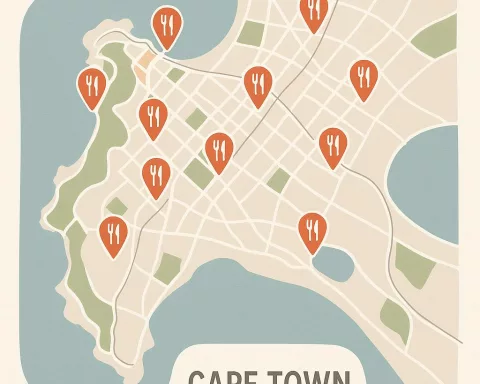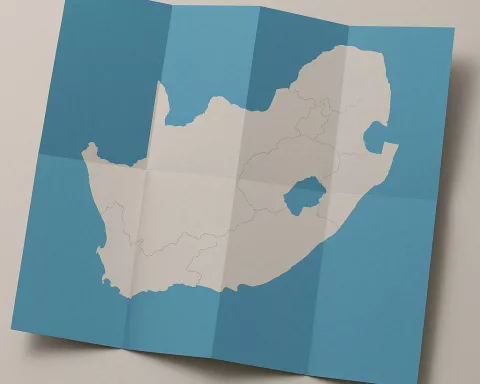

Cape Town is a city of breathtaking beauty, where Table Mountain watches over sunny beaches and lively streets full of culture and creativity. People love its outdoor lifestyle and vibrant food scene, but life isn’t always easy. Daily traffic jams and unreliable public transport make getting around tough, especially for those living far from the city center. Despite these challenges, Cape Town’s charm and promise keep drawing dreamers who are ready to face its ups and downs with hope and resilience.
What is life like living in Cape Town, South Africa?
Living in Cape Town offers stunning natural beauty, vibrant culture, and outdoor lifestyle, but also involves daily challenges such as heavy traffic congestion, unreliable public transit, and long commutes. Residents balance these with ongoing efforts to improve transportation and urban connectivity.
Dreams of the Mother City
Many South Africans imagine Cape Town as a city of dazzling vistas and endless possibility. The iconic [Table Mountain ](https://capetown.today/table-mountain-a-precious-gift-to-cape-town/)stands watch over a patchwork of white-sand beaches, lush vineyards, and lively neighborhoods. This picturesque setting, often featured in travel magazines and social media feeds, draws newcomers and tourists alike, all hoping to experience a slice of paradise. For those seeking fresh opportunities or a change of pace, moving to Cape Town often feels like chasing a dream.
Yet the city’s allure extends beyond its natural wonders and vibrant culture. Cape Town pulses with creative energy, thanks to a thriving arts scene and a community of innovators. Residents enjoy a lifestyle where ocean views and mountain trails are never far away, and the culinary scene rivals that of any world city. This unique blend of natural beauty and cosmopolitan flair makes Cape Town a magnet for both young professionals and families eager to make a new start.
However, reality soon sets in after the initial excitement of arrival. Day-to-day life in Cape Town presents a host of challenges, many of which lurk beneath the surface of postcard-perfect images. As Gxiya, a local who recently shared his experiences on TikTok, points out, the city’s stunning landscapes also come with a less glamorous side—one that anyone considering a move should take seriously.
Navigating the City: The Realities of Commuting
Gxiya’s insights offer a valuable perspective for those contemplating life in Cape Town. Rather than focusing solely on the obvious attractions, he shines a light on the practicalities that shape everyday existence. His advice, candid and grounded in personal experience, underscores the importance of preparing for more than just breathtaking scenery.
A primary concern for many newcomers is the city’s traffic. Cape Town’s layout, squeezed between the mountains and the sea, limits the number of major roads leading into the city center. As a result, thousands of residents compete for space on these routes during peak hours. Gxiya highlights how this daily congestion affects everyone from students to professionals, transforming what should be a short drive into a long ordeal. Mornings and evenings become a test of patience, with drivers inching forward through bottlenecks that seem to stretch for miles.
For those living in distant neighborhoods such as Khayelitsha, Kraaifontein, or Strand, the struggle intensifies. Commuting distances of 20 kilometers or more can gobble up hours each day, especially for those without a private car. Social media stories abound of early-morning departures that still result in late arrivals, as unforeseen traffic jams throw schedules into chaos. One user recounted leaving Stellenbosch well before dawn only to get stuck in gridlock until nearly 9am. These experiences paint a vivid picture of urban life in Cape Town, where the daily commute often becomes the backdrop against which the rest of life unfolds.
Public Transit: A Divided Landscape
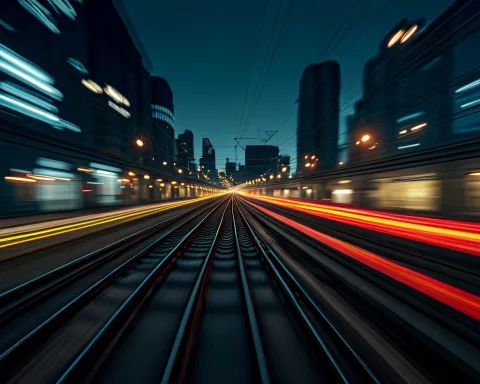
The challenges of getting around Cape Town extend beyond the roads. Gxiya critically examines the city’s public transportation system, focusing especially on the troubled train network. Once the pride of local infrastructure, the rail service has become a lightning rod for frustration. Gxiya doesn’t mince words, describing the train system as barely operational—a view that resonates with many who have watched the decline unfold.
However, not everyone agrees with this bleak assessment. Some residents point out that while the central train line has indeed suffered serious setbacks, the northern and southern routes still provide reliable service for daily commuters. This divergence in opinion reflects the varied nature of the city’s transport experience. For some, trains remain a vital link to work and school; for others, they represent a source of constant disappointment and missed opportunities.
The roots of these problems run deep. Cape Town’s railways once fueled the city’s rapid growth, connecting far-flung communities to the urban core. Over time, however, underinvestment, vandalism, and poor management have eroded the system’s reliability. The resulting gaps in service often hit the city’s poorest residents hardest, forcing them to rely on slow, overcrowded minibuses or expensive alternatives.
Efforts to modernize public transit include the expansion of the MyCiTi bus system, which has received praise for its efficiency and coverage in some areas. Yet the reality remains that many neighborhoods still lack dependable, affordable transportation options. This ongoing struggle highlights the broader challenge of building a truly integrated city—one where everyone can access economic and social opportunities, regardless of where they live.
The Social Conversation: Diverging Views and Common Ground
Gxiya’s TikTok video sparked a lively debate, showing just how diverse—and passionate—Cape Town’s residents are about their city. Online discussions resemble an ongoing exchange of stories and opinions, where personal frustrations meet collective memories. Some users echo Gxiya’s complaints, sharing their own tales of exhausting commutes and delays. They argue that traffic and unreliable transit have become defining features of life in the Mother City.
Others defend Cape Town, insisting that while traffic can be a hassle, it is no worse than in other major South African cities. Comparisons to Johannesburg, particularly the gridlock in Sandton, often crop up in these exchanges. These defenders maintain that Cape Town’s challenges are manageable, especially when weighed against the city’s many advantages. They point to recent improvements in public transport and highlight neighborhoods where daily life flows more smoothly.
This online debate captures the essence of city life: a place where diverse perspectives collide and coexist. Cape Town, like many global cities, serves as both a stage for public argument and a laboratory for practical solutions. Residents constantly negotiate between their frustrations and their hopes, finding ways to adapt and thrive in an environment that is as demanding as it is rewarding.
The Roots of Urban Complexity: Geography and History
Cape Town’s unique geography plays a central role in shaping its transportation woes. The city sits in a natural amphitheater, hemmed in by Table Mountain on one side and the Atlantic Ocean on the other. This breathtaking setting, while a boon for tourism, severely limits the space available for roads and railways. The three main routes—N1, N2, and M3—carry the bulk of daily traffic, making them prone to congestion and delays.
Historical factors have only deepened these challenges. During the apartheid era, planners designed the city to keep communities separated and distant from each other, often pushing the poorest residents to the urban margins. Today, many of these areas remain isolated from economic opportunities, forcing long and expensive commutes. The city continues to grapple with this legacy, searching for ways to bridge the physical and social divides that persist.
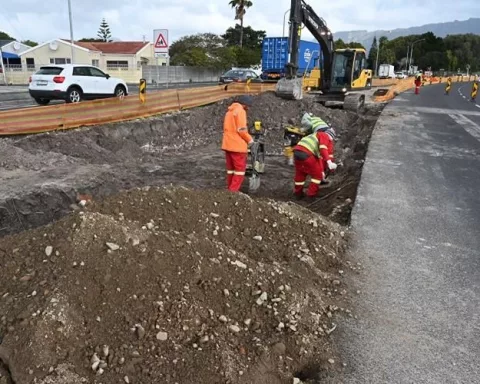
Recent planning efforts have prioritized expanding public transport, investing in new infrastructure, and encouraging alternative modes of travel, such as cycling and walking. While progress is visible in some districts, significant gaps remain. Building a more connected and equitable city will require sustained commitment and creative solutions, especially as Cape Town continues to grow.
The Enduring Allure of Cape Town
Despite its daily frustrations, Cape Town remains one of South Africa’s most desirable places to live. Its natural beauty, dynamic culture, and outdoor lifestyle offer rewards that many find irresistible. Residents and newcomers alike can spend mornings hiking up Table Mountain, afternoons surfing at Muizenberg, and evenings sampling world-class cuisine in the city center—all within the span of a single day.
The contradictions at the heart of Cape Town—its blend of stunning scenery and urban struggle, promise and challenge—mirror those found in cities across the globe. Gxiya’s honest take on daily life speaks to a larger truth: people everywhere seek a sense of belonging, opportunity, and meaning, even in the face of inconvenience.
Ultimately, living in Cape Town means learning to navigate both its gifts and its shortcomings. The city is a living, evolving place, where history and nature intertwine with the rhythm of everyday life. As Cape Town continues to grow and change, its residents adapt, finding new ways to enjoy its beauty and confront its challenges. For all its flaws, the Mother City remains a beacon for those who dream of a life shaped by possibility, resilience, and enduring hope.
FAQ: Living and Commuting in Cape Town
1. What makes Cape Town an attractive city to live in despite its challenges?
Cape Town is renowned for its breathtaking natural beauty, including iconic landmarks like Table Mountain, pristine beaches, and lush vineyards. The city boasts a vibrant cultural scene, creative energy, and a diverse culinary landscape. Residents enjoy an active outdoor lifestyle with access to hiking, surfing, and other recreational activities. While the city faces challenges such as traffic congestion and public transport issues, its unique mix of nature, culture, and opportunity continues to draw newcomers and dreamers eager to build a meaningful life.
2. What are the main transportation challenges faced by Cape Town residents?
The city’s geography—bounded by mountains and the ocean—limits road and rail infrastructure, causing daily traffic jams especially on major arteries like the N1, N2, and M3 highways. Commuters living in outlying suburbs such as Khayelitsha, Kraaifontein, and Strand often face long, unpredictable journeys that can consume several hours each day. Public transport, particularly the train system, has suffered from underinvestment and vandalism, resulting in unreliable service for many users. This puts pressure on other modes like minibuses, which are often overcrowded or costly.
3. How reliable is Cape Town’s public transportation system?
Cape Town’s public transport is a mixed picture. The train network, once a backbone of the city’s transit, has declined significantly due to poor maintenance and security problems. While some northern and southern lines still provide decent service, many commuters experience delays and cancellations. Conversely, the MyCiTi bus system has been praised for its efficiency and expanding coverage, especially within central and some suburban areas. However, many neighborhoods still lack access to affordable, dependable public transit options, highlighting ongoing inequalities.
4. Why is commuting so difficult for people living far from Cape Town’s city center?
Historical apartheid-era urban planning segregated communities and placed many low-income residents far from economic hubs. Combined with Cape Town’s constrained geography, this means that people living in distant townships or suburbs must travel long distances to access jobs, education, and services. Limited transport routes become heavily congested during peak times, and the lack of reliable public transit options exacerbates the burden. The result is lengthy and stressful daily commutes that affect quality of life and economic opportunity.
5. What efforts are being made to improve Cape Town’s urban mobility?
City planners and transportation authorities are actively working to address these issues by expanding the MyCiTi bus network, investing in infrastructure upgrades, and encouraging more sustainable travel modes like cycling and walking. There is also a focus on modernizing the rail system and integrating different transit modes to create a more connected, equitable city. Despite progress in some areas, significant challenges remain, requiring continued innovation and community engagement to build a truly accessible urban environment.
6. How do Cape Town residents feel about the city’s challenges and opportunities?
Opinions among residents vary widely. Many acknowledge the frustrations of traffic congestion and unreliable transport, sharing candid personal stories and frustrations on social media. Others highlight that Cape Town’s challenges are comparable to or less severe than those in other South African cities and emphasize the city’s many benefits. This diversity of views reflects Cape Town’s complexity—a city where hope, resilience, and community spirit coexist with the realities of urban life. Ultimately, residents adapt creatively and find ways to enjoy the city’s gifts despite its difficulties.
If you’re considering moving to Cape Town or visiting, it’s important to prepare for both its stunning beauty and its urban realities. With patience and planning, many find the city to be a rewarding and inspiring place to call home.