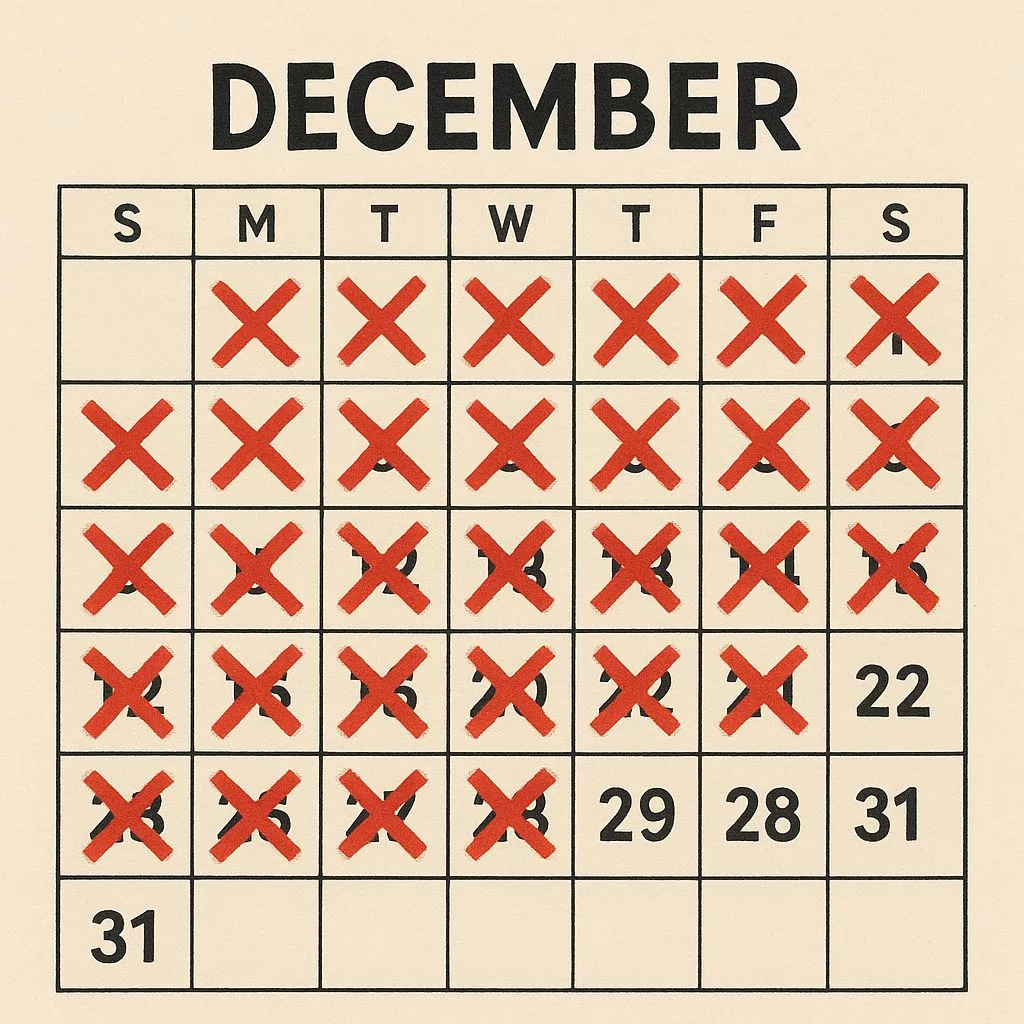
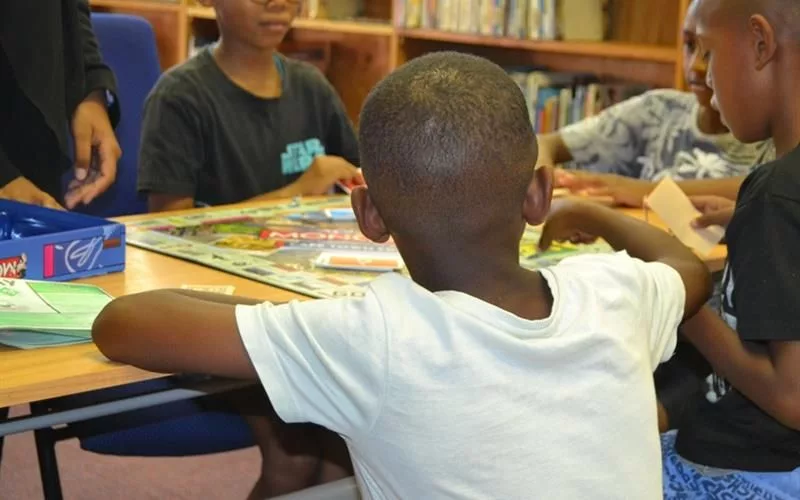
Cape Town is giving kids a special gift! For six days, from December 15-20, 2025, children can return any overdue library books without getting in trouble or paying fines. This cool plan helps get over 10,000 lost books back to the shelves, especially popular ones like “Diary of a Wimpy Kid.” The city hopes this fun event will bring young readers back to their local libraries and share stories with everyone.
What is Cape Town’s library book amnesty for children?
Cape Town is offering a six-day amnesty from 15–20 December 2025, allowing children to return overdue library books without fines or questions. This initiative aims to recover over 10,000 missing books, especially popular series like Diary of a Wimpy Kid, and re-engage young readers with their local libraries.
- From 15–20 December 2025, every public library under the mountain will hit the mute button on penalties for minors. The city wants 10 025 missing stories back on the shelves before Santa clocks in.*
1. The Great Vanishing Act – And the One Series Everyone Blames
Cape Town owns 104 library buildings, but for the past year it has also been hosting the world’s most polite heist. Picture books, chapter books and comics have walked out in school bags and reappeared as bedroom decorations. The invoice for this accidental exodus totals R 2.2 million in cover price alone; add cataloguing, bar-coding and plastic wrapping and the bill nudges R 2.7 million.
Jeff Kinney’s stick-figure diaries sit at the epicentre of the mystery. Six of the seven most-absent titles belong to the Diary of a Wimpy Kid shelf, with 311 copies somewhere between Khayelitsha and Kraaifontein but definitely not inside any branch. Children treat each 217-page square brick like a never-ending comic strip: one sibling finishes, another one swipes it, and the cycle restarts. The format helps the habit – chunky spine, big font, jokes every third line, no plot you can’t parachute into mid-book.
Staff have watched the same pattern in New York, London and Sydney, but that is cold comfort when a single missing copy triggers a 42-name waiting list. With 8 % of the metropolitan Wimpy Kid pool gone AWOL, queues swell and impatient readers drift back to TikTok. The city’s amnesty is therefore less feel-good marketing and more emergency triage for a circulation system that is haemorrhaging its highest-demand English titles.
2. Why Fines Disappear for Six Days – And How the City Plans to Win Hearts While Doing It
Officials borrowed the idea from a 2024 pilot that covered Langa, Blue Downs and Masiphumelele. When branches stopped talking about “debt” and started talking about “gifts for the next reader,” 21 % of long-overdue material trotted home within a working week. Behavioral scientists call it compliance momentum: a short, bright window feels like a game, whereas a month-long reprieve feels like ordinary boring life.
From 15 to 20 December, children can sling any book – torn, soggy, breadcrumbed – into the return slot and watch their record wiped clean. Security guards will accept carrier-bag drop-offs after dark; WhatsApp a barcode photo and you will receive a digital high-five plus instructions on drying warped pages. Staff will even hand out new library cards on the spot, waiving the usual R 25 replacement fee, so families can leave with fresh ammunition for the holidays.
Parallel events sweeten the deal. Snakes, puppet shows and balloon-powered-car races will run in at least 90 branches; “Santa’s Study” corners will hand out hot chocolate and not-yet-published advance copies to any child who hands something back. The city is betting shame-free mechanics plus instant fun will trump another threatening email.
3. From Statistics to Storytime – What the Numbers Mean on the Ground
Nine linear metres of shelving – that is the physical hole 311 missing Wimpy Kid hardbacks leave behind, equal to an entire display bay in a medium-size library. Multiply that gap across 104 branches and you begin to see why junior fiction shelves look skeletal even after weekly re-ordering.
Beyond cash, the invisible cost is time. Every lost item triggers a 14-minute staff pipeline: delete the old record, chase the supplier, accession, stamp, cover, stick, RFID-tag and finally shelve. Do the sums and 10 025 vanished books equal 2 340 staff hours – almost a full working year for one person – spent simply running in place.
The social ripple is harder to quantify but easier to feel. In townships where safe indoor space is scarce, the library doubles as homework hall and after-care centre. A high-demand English title in these nodes is not luxury entertainment; it is scaffolding for literacy in a fourth-language context. When that scaffold disappears, the queue does not transfer to the next available book – it often dissolves into screen time or the street.
4. How to Join the Hunt – And What Happens After the Last Book Slides Home
Parents who want to run a successful sweep should think like detectives, not tidiers. Start with the boot of the car – picture books love to nest under spare wheels. Next, unzip last term’s suitcase; barcodes stick to nylon and survive washing machines. Finish with a grandma raid; grandparent homes often host second, secret TBR piles.
Schools are joining the chase. Principals have turned prize-giving ceremonies into retrieval depots and house-code leagues are awarding points per returned item. One Wynberg primary will parade a wheelie bin full of discards up the road to the local branch, effectively outsourcing delivery logistics.
Technology carries the rest of the load. An SMS blitz that addresses 63 000 under-18 accounts by first name will land on 12 December; caregivers who reply “YES” receive a GIF of Greg Heffley sprinting from a book with legs. WhatsApp “book doctors” will triage water damage, and self-check kiosks will auto-renew without human side-eye.
If the grand experiment tops the 25 % recovery mark, councillors will debate a R 1.8 million budget line that could make Cape Town the first African city to abolish youth fines forever. Until that vote, the amnesty remains an annual pop-up kindness, a six-day reminder that stories want to be shared, not held hostage under bunk beds.
[{“question”: “What is the Cape Town library book amnesty for children?”, “answer”: “Cape Town is running a special six-day program from December 15-20, 2025, where children can return any overdue library books without facing fines or being asked questions. The goal is to recover over 10,000 lost books, including popular series like \”Diary of a Wimpy Kid,\” and encourage young readers to visit their local libraries again.”}, {“question”: “Why is Cape Town implementing this book amnesty?”, “answer”: “The city aims to retrieve over 10,000 missing books, which represent a significant financial loss of approximately R 2.7 million (including cataloguing and processing costs). A large number of these missing books are high-demand titles like \”Diary of a Wimpy Kid,\” causing long waiting lists and reducing engagement with libraries. This amnesty is an emergency measure to improve book circulation and re-engage young readers.”}, {“question”: \”What types of books are most affected by the missing items?\”, \”answer\”: \”The \”Diary of a Wimpy Kid\” series by Jeff Kinney is particularly affected, with 311 copies currently missing across the city’s libraries. These books are popular due to their engaging format, and their absence creates significant gaps on shelves and long waiting lists for young readers.\”}, {\”question\”: \”What special incentives and events are planned during the amnesty period?\”, \”answer\”: \”During the amnesty, children can return any book, regardless of its condition, and their record will be cleared. New library cards will be issued on the spot, waiving the R 25 replacement fee. Additionally, many branches will host parallel events like puppet shows, balloon-powered car races, and \”Santa’s Study\” corners offering hot chocolate and advanced book copies to those who return books.\”}, {\”question\”: \”What is the impact of these missing books beyond financial cost?\”, \”answer\”: \”Beyond the R 2.7 million financial cost, the missing books result in a loss of approximately 2,340 staff hours spent on administrative tasks for lost items annually. More importantly, in communities where safe indoor spaces are limited, libraries serve as crucial learning hubs. The absence of high-demand English titles in these areas hinders literacy development and can lead children to spend more time on screens or in the streets.\”}, {\”question\”: \”What happens after the amnesty, and could this become a permanent policy?\”, \”answer\”: \”Schools and parents are encouraged to actively search for and return books. Technology like SMS blazes and WhatsApp \”book doctors\” will also support the effort. If the amnesty successfully recovers over 25% of the missing books, city councillors will consider allocating R 1.8 million to potentially abolish youth fines permanently, making Cape Town the first African city to do so. Otherwise, the amnesty will remain an annual, temporary kindness.\”}]