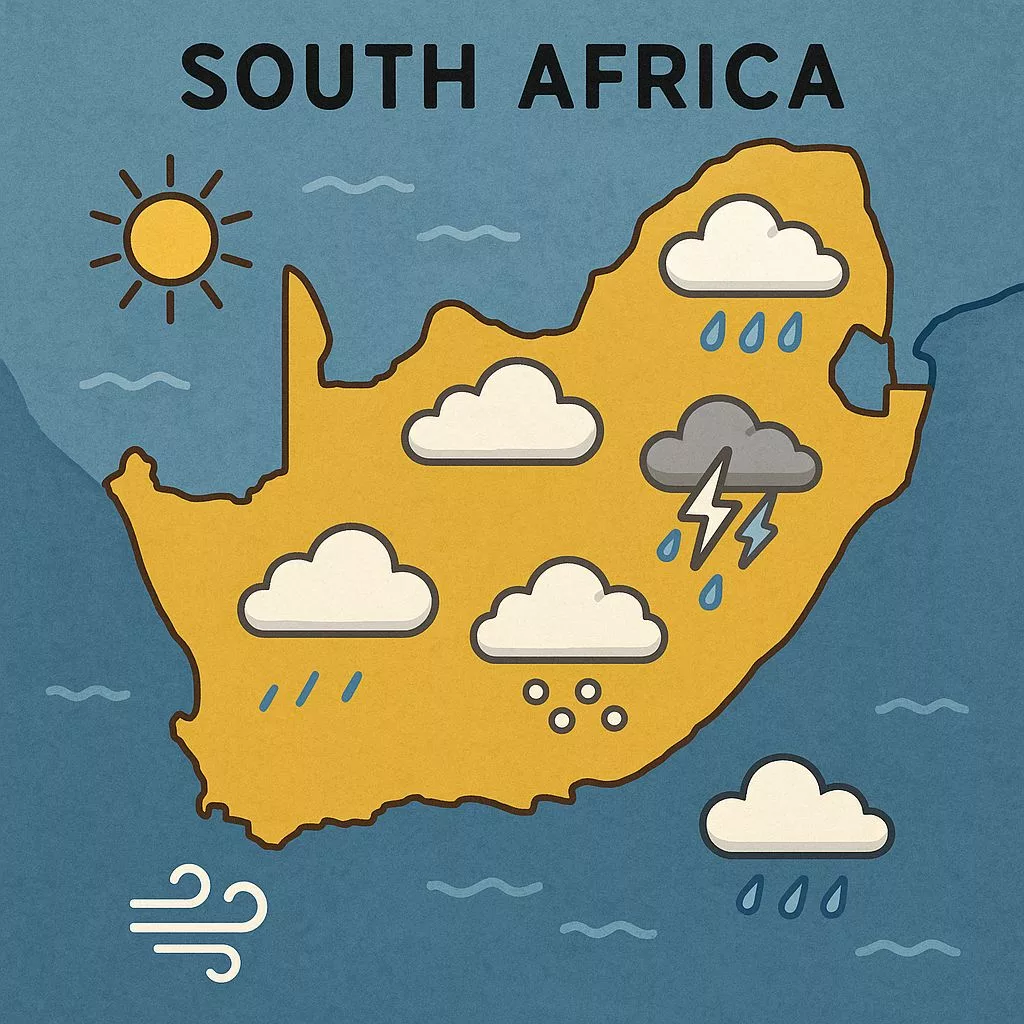
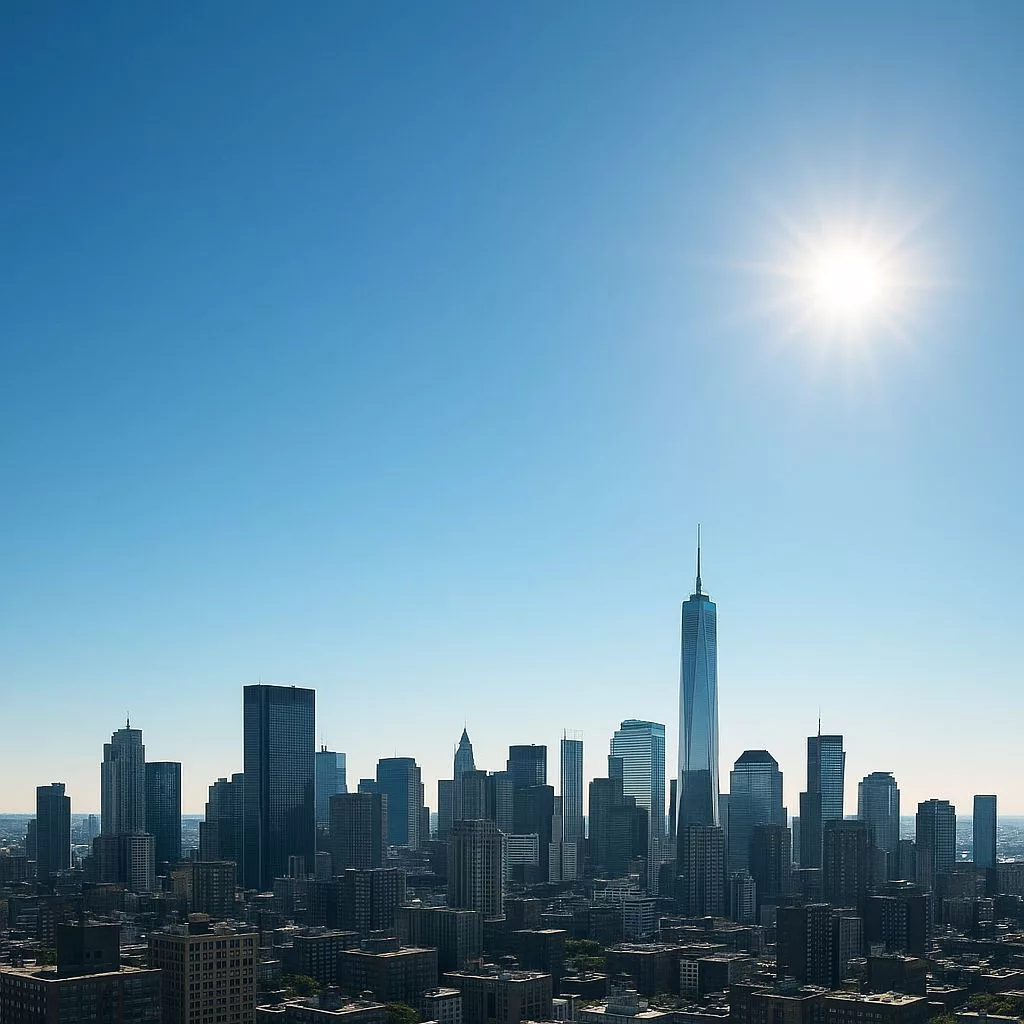
December in Cape Town means bright, clear skies and very hot weather, with temperatures sometimes reaching 48°C on the sand. A strong wind, called the “Cape Doctor,” blows through the city, and the ocean water gets very cold. As evening comes, the air cools down a lot, and sometimes a misty fog rolls in.
What is the typical weather like in Cape Town in December?
Cape Town in December is characterized by clear, cobalt skies, strong southeasterly winds (the “Cape Doctor”), and high temperatures, often reaching 48°C on sand. The UV index can be extremely high, and the ocean experiences upwelling of cold water. Evenings bring a significant temperature drop and sometimes marine fog.
Dawn to Mid-morning: the City Wakes Up Under a Blue Dome
At 05:28 the first spear of sunlight hit the Iziko Planetarium’s copper roof, right on schedule. By the time the berg-wind phantoms slipped back over the Hottentots-Holland range, thermometers in the Company’s Garden had jumped four degrees in the length of one breakfast tune on CapeTalk. The barometer sat rock-steady on 1018 hPa, a reading so reliable you could set a mechanical watch to it.
Above, the sky arrived as a single sheet of cobalt – no tears, no creases. Satellite imagery shows the South Atlantic high-pressure cell hovering at 32°S, 12°E like an invisible mothership, forcing air downward so powerfully that even Table Mountain’s usual fluffy orographic cap failed to show up for work. Photons pour through that vacuum: global horizontal irradiance is expected to top 1050 W m⁻² at 13:00, shoving the UV index to 12, literally off the standard scale. Dermatologists warn that fair skin will redden in six minutes flat; by brunch the same radiation feels like a warm hand on every neck.
Wind enters stage left around 08:00. A kink in the isobars between Cape Point and Cape Agulhas tightens, funnelling a 19 km/h south-southeasterly through the “Roaring Forties” choke point. By coffee break, dolomite dust lifts outside Matjiesfontein and Koeberg’s mast records its first 50 km/h hiccup. In town the breeze ricochets off concrete canyons, flips an unsecured café umbrella into a super-yacht’s rigging, and still has enough breath to spin the traffic lights on Strand Street into tiny solar furnaces.
Mid-day Metabolism: Wind, Wine and Wildlife
By noon the “Cape Doctor” is writing prescriptions across the peninsula. Wine-growers on the Tygerberg pray for today’s 40 km/h puff at véraison; it thickens grape skins and stacks flavour precursors, which is why cellarmasters already whisper that Constantia’s 2024 sauvignon blanc could rival the legendary 2015. Botanists cheer too – without this steady breeze Protea repens seeds would lose their annual taxi ride, shrinking the Cape Floral Kingdom’s recruitment class.
Down on the sand, lifeguards hoist the shark-spotter flag beside a red UV banner. Muizenberg’s Victorian bathing boxes cast knife-edge shadows; the sand already burns at 48 °C, hot enough to send toddlers hopscotching to the foam line. Oceanographers meanwhile clock the southeaster-driven upwelling cell yanking 12 °C water from 200 m to the surface off Cape Point; by tomorrow Miller’s Point will have chilled four degrees, calling in the first yellowtail of summer.
Feathers, fur and fins cope in ingenious ways. Hadada ibises abandon suburban lawns for the Company’s Garden, bills agape under 150-year-old pear trees. GPS-collared caracals sit out the heat in M3 drainage pipes, emerging only after the asphalt cools. Even the ghost bats that haunt Lion’s Head’s old cannon turrets delay their hunt until 19:50, fourteen hours and twenty-two minutes after official sunrise.
Urban Machinery: Power, Pavements and Produce
While lungs fill with salt and fynbos, the city’s hidden circuits hum. All 56,000 smart-metered streetlamps dim their LEDs 30 % to spare circuitry from heat stroke. At Strandfontein, the reverse-osmosis plant guzzles 22 °C seawater and squeezes out an extra five percent potable yield – just enough to top up Newlands reservoir before the evening surge. Eskom keeps the lights on courtesy of 480 MW of rooftop PV pouring into the municipal grid, the equivalent of half a retired coal unit.
Markets feel the weather in their wallets. In Epping, shade-net tunnels keep spinach crisp, so a ten-kilo carton sells for 12 % less than yesterday’s sun-blasted Gauteng batch. Informal baristas freeze 500 ml bottles overnight; rotating these “ice bricks” lets them charge a 40 % premium for iced coffee without ever starting a generator. Over in the Bo-Kaap, cardamom and cloves sun-dry on wicker trays; today’s 45 % relative humidity locks in volatile oils that will perfume Dubai’s spice souks next week.
Engineers play defence on the asphalt. The first heat-buckled tar of summer appeared yesterday on the M5; today’s road-surface thermometer is headed for 58 °C, just below the softening point of the fancy polymer-bitumen laid in 2021. Six sprinkle trucks will cruise after dusk, releasing 18 000 ℓ of treated effluent to cool the binder and keep quartz stones from popping beneath tyres.
Twilight to Witching Hour: Light, Fog and Lunar Jewels
Shadows shrink to mathematical pins as the sun tilts past the zenith. At 18:45 the golden hour begins; by 19:10 the new suspension bridge flicks on 3000 K LEDs calibrated to the dying light, giving photographers a seamless gradient from daylight to lamplight. Social media hashtags detonate; #SunsetSA tops the national trends before the first star appears.
Below deck, the 294 m Maersk Shenzhen slides into Duncan dock at 18:30. Harbour pilots exploit the lull – wind down to 13 km/h, tide 1.4 m above chart datum – to dock 47 000 t of steel without kissing the fenders. All night, cranes wearing xenon crowns will unload Christmas lights, e-scooters and 600 t of Northern Hemisphere grapes that will reach supermarket chillers by Friday only because today’s weather printed a perfect berthing ticket.
Heat slowly exhales from the city’s masonry. Balconies that branded bare feet at 15:00 become civilised cocktail perches. In Observatory, an astronomy student rolls out a 12-inch Dobsonian; Jupiter climbs at 20:14, its moons already lined up like luminous beads. Urban glare is brutal, yet today’s cleaned-out sky is still transparent enough to catch them – an unplanned planetarium for anyone who looks up.
By midnight the mercury will rest at 21 °C, but the eight-degree drop from the afternoon peak feels almost chilly. A marine fog tongue 200 m thick slips through the harbour, tasting of mussels and diesel. At 01:00 it swallows the last crane light, and Cape Town finally trades its cobalt cloak for silver. Until tomorrow, the stage is reset, the cues rehearsed – ready for the next flawless, cloudless, wind-scoured December day.
[{“question”: “
What is the typical weather like in Cape Town in December?
“, “answer”: “December in Cape Town features bright, clear, cobalt skies, very high temperatures often reaching 48\u00b0C on the sand, and a strong southeasterly wind known as the \”Cape Doctor.\” The ocean water is typically very cold due to upwelling, and the UV index can be extremely high. Evenings bring a significant drop in temperature and sometimes a misty fog rolls in.”}, {“question”: “
What is the \”Cape Doctor\” wind and how does it affect Cape Town?
“, “answer”: “The \”Cape Doctor\” is a strong southeasterly wind that funnels through the region, particularly prominent from mid-morning onwards in December. It plays a significant role in various aspects: it helps thicken grape skins for wine production, aids in seed dispersal for Protea plants, creates upwelling of cold ocean water, and can even cause dust to lift and affect urban infrastructure like unsecured cafe umbrellas.”}, {“question”: “
How hot does it get in Cape Town in December, especially on the sand?
“, “answer”: “Temperatures in Cape Town in December can be extremely high. On the sand, temperatures can reach as high as 48\u00b0C, making it too hot for bare feet. The general air temperature is also very warm, with a significant drop in the evening.”}, {“question”: “
What are the UV index levels like in Cape Town during December?
“, “answer”: “The UV index in Cape Town in December is exceptionally high, often topping 12, which is literally off the standard scale. Dermatologists warn that fair skin can redden in as little as six minutes due to the intense radiation. It’s crucial to take precautions against sun exposure.”}, {“question”: “
How do the days transition into evenings in Cape Town during December?
“, “answer”: “As evening approaches, the air in Cape Town cools down considerably from the daytime peak. The golden hour provides beautiful light for photographers. By midnight, the temperature can drop to around 21\u00b0C, and a marine fog tongue, often 200 meters thick, can roll in, bringing a different atmospheric quality to the city.”}, {“question”: “
How does Cape Town’s infrastructure and nature cope with the high summer temperatures?
“, “answer”: “The city’s infrastructure adapts by dimming streetlights to prevent heat stroke, and reverse-osmosis plants increase potable water production. Businesses like informal baristas use \”ice bricks\” to keep drinks cold, and spices are sun-dried. Engineers monitor and cool asphalt to prevent heat-buckling. Wildlife also has coping mechanisms, with birds seeking shade, caracals resting in drainage pipes, and bats delaying hunts until cooler hours.”}]