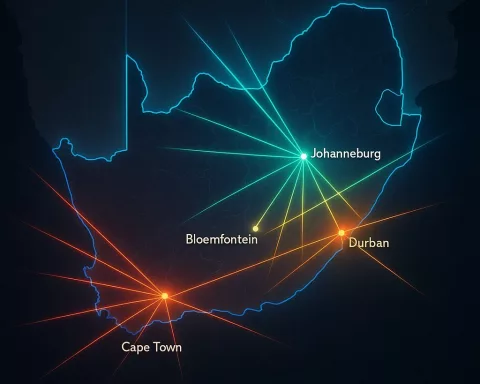

Cape Town International Airport is booming, with air cargo trade jumping by 25%! This growth makes the airport a key player in global trade, thanks to more international flights and rising online shopping. Local leaders believe this surge will create jobs and boost the economy, with plans to transport even more goods in the coming years. As Cape Town’s rich history meets modern innovation, the airport shines as a symbol of the city’s bright future in global connectivity.
What is the significance of Cape Town International Airport’s growth in air cargo trade?
Cape Town International Airport’s air cargo trade has surged by 25%, becoming a vital hub in global trade. Enhanced international flight services and growing e-commerce demand are key drivers. This growth supports economic development, increases connectivity, and positions Cape Town strategically in international markets.
Unveiling a Milestone in Economic Development
In the chronicles of economic progress, certain achievements do more than just mark success—they signal transformative potential. The recent uptick in air cargo trade volumes at Cape Town International Airport, highlighted by Cape {town} Etc, serves as a prime example. The official economic development agency for the Western Cape, Wesgro, recently celebrated a 25% surge in air cargo trade, positioning Cape Town as a crucial player on the global trade map.
Wesgro’s CEO, Wrenelle Stander, attributes this extraordinary growth to the airport’s enhanced international flight services. Cape Town International Airport now offers an impressive array of 217 international flights each week. “We must concentrate on what we can manage—namely, attracting investment, leveraging technology, and fortifying global partnerships,” Stander emphasized, underscoring the importance of strategic economic initiatives. The projections are ambitious, with a forecast of 75,000 tonnes of goods expected to be transported by air by 2025.
This rise in cargo volumes parallels a significant increase in passenger numbers, projected to grow by 10% in 2024 compared to the previous year. Stander elaborated, “This boost in connectivity results in increased belly-freight cargo capacity and more opportunities to move goods by air.” This critical intersection of passenger and cargo transport can catalyze a wider economic impact, demonstrating the symbiotic relationship between the two.
The Role of E-Commerce and Legislative Frameworks
Phuthi Mahanyele-Dabengwa, CEO of Naspers, emphasized the substantial influence of the e-commerce sector in this expansion. “E-commerce growth in South Africa presents huge opportunities for air cargo,” she noted. The merging of digital and physical supply chains is crucial to meet consumer expectations for speedy and reliable delivery. As online shopping becomes more prevalent, the demand for effective logistics solutions, particularly in air cargo, is set to increase significantly.
Adding to this momentum is the African Growth and Opportunity Act (AGOA), which magnifies the strategic importance of this growth. This legislative framework grants South African products a competitive edge in the US market, benefiting Western Cape’s agricultural exports substantially. Wesgro has underscored the need to maintain and increase market share in the US, tackling supply-side competitiveness issues, and aiming for diversified market access through trade agreements and fewer trade barriers.
Alderman James Vos, Mayoral Committee Member for Economic Growth and Tourism, echoed these sentiments by noting a 57% increase in air cargo growth since 2018. Vos called for ongoing collaboration to enhance logistics and streamline the movement of goods. “Securing more flight routes and improving connectivity is essential for driving economic growth,” he stated. Expanding flight routes is not just a logistical necessity but a fundamental economic strategy.
Broader Economic Implications and Infrastructure
Dr. Ivan Meyer, Western Cape Minister of Agriculture, Economic Development, and Tourism, delved deeper into the broader economic implications. He stressed that modern infrastructure is crucial for supporting trade and attracting investment. “To attract investment, we need the right infrastructure to support air cargo growth,” Meyer declared. His vision includes examining growth potential across various towns and regions to drive targeted investment.
The narrative of Cape Town’s burgeoning role in global trade also relies on its historical and cultural backdrop. Cape Town’s journey from a colonial outpost to a bustling metropolis is a story of resilience and ingenuity. The city’s strategic location at the crossroads of major shipping routes has always been a significant asset. Today, this historical advantage translates into a growing role in global air cargo trade.
This growth narrative intertwines with the city’s rich cultural landscape. Known for its scenic beauty and cultural diversity, Cape Town is now at the confluence of art, history, and commerce. The city’s infrastructure developments, especially at the airport, symbolize a blend of tradition and modernity. The increased air cargo capacity reflects not just an economic upswing but a renaissance of Cape Town’s global significance.
The Human Element and Future Prospects
Artistic movements like the Cape Impressionists have long celebrated the region’s unique light and landscape. Today, this same light illuminates a city transforming into a global trade hub. The growth in air cargo mirrors the dynamism seen in the city’s artistic expressions, where tradition meets innovation.
Amidst this progress, the human element remains paramount. The stories of individuals—airport staff, local business owners, and international traders—contributing to this growth add a personal dimension to this economic success. Their experiences highlight the tangible impact of strategic initiatives and infrastructural advancements at the grassroots level.
The vision set forth by leaders like Stander, Mahanyele-Dabengwa, Vos, and Meyer is based on a commitment to sustainable growth. The integration of advanced technology in logistics, efforts to diversify market access, and the continuous enhancement of infrastructure all point towards a future where Cape Town is not just a participant but a leader in global trade.
In conclusion, the surge in air cargo trade volumes at Cape Town International Airport represents more than just a statistical achievement. It stands as a testament to the city’s enduring spirit, strategic foresight, and the collaborative efforts of its leaders and citizens. As Cape Town scales new heights in international trade, it paves a path that blends historical legacy with modern ambition, securing its place on the global stage.
FAQ
What factors have contributed to the 25% growth in air cargo trade at Cape Town International Airport?
The significant growth in air cargo trade at Cape Town International Airport can be attributed to enhanced international flight services, increased demand from the e-commerce sector, and strategic initiatives aimed at attracting investment and fortifying global partnerships. The airport now offers 217 international flights each week, which directly supports this growth.
How will the growth in air cargo trade impact the local economy?
Local leaders believe that the surge in air cargo trade will create jobs and bolster the economy. The projected increase in cargo transport, with an anticipated 75,000 tonnes expected to be moved by air by 2025, will further enhance economic connectivity and development in the region.
What role does e-commerce play in this growth?
E-commerce growth in South Africa has significantly influenced the rise of air cargo demand. As online shopping continues to expand, the need for efficient logistics and quick delivery solutions becomes critical, making air cargo an essential component of the supply chain.
How does the African Growth and Opportunity Act (AGOA) affect Cape Town’s trade?
The AGOA provides South African products with a competitive edge in the US market, benefiting sectors such as agriculture in the Western Cape. This legislative framework supports the region’s exports and underscores the importance of maintaining and increasing market share in international markets.
What are the future prospects for air cargo trade at Cape Town International Airport?
The future prospects for air cargo trade at Cape Town International Airport look promising, with continued growth expected. Plans for expanding flight routes, enhancing logistics, and improving infrastructure are in place, aiming to secure Cape Town’s position as a key player in global trade.
How does the airport’s growth reflect Cape Town’s historical and cultural significance?
Cape Town International Airport’s growth symbolizes the city’s transformation from a colonial outpost to a bustling global trade hub. Its strategic geographic location has historically been an advantage, and today, this growth intertwines with Cape Town’s rich cultural landscape, showcasing a blend of tradition and modernity. The airport’s developments highlight the city’s ongoing journey to secure its place on the global stage.