In Rondebosch last year, a Cape Town police officer named Luvolwethu Kati shot and killed a homeless man named Dumisani Joxo. On Thursday, Kati’s hearing began in the Wynberg Regional Court. Kati appeared in court dressed in a red-chequered shirt and green pants to face charges surrounding the incident on January 9, 2022.
The trial was supposed to start on February 13 but couldn’t because some of the state’s witnesses were absent. The case was back in court on Thursday, but the witnesses were still not there, so Magistrate Heather Paulse put the issue on hold. When the case started again about 30 minutes later, the prosecutor, Ebrahim Arend, told the court that the witnesses needed people who could speak isiXhosa and Afrikaans. He said the state was ready to move forward even though not all the witnesses were there.
Kati said he fired one shot from his service gun but did it to protect himself. According to his statement, he and a colleague had arrived at the Liesbeek River Trail in response to a complaint that a group of homeless people was cooking a meal over an open fire. He said that he and another person fought, and he was afraid that Joxo would take his gun. However, he noted that Joxo fell after the shot.
Eyewitness Testifies to Law Enforcement Violence and Poor Treatment of Homeless
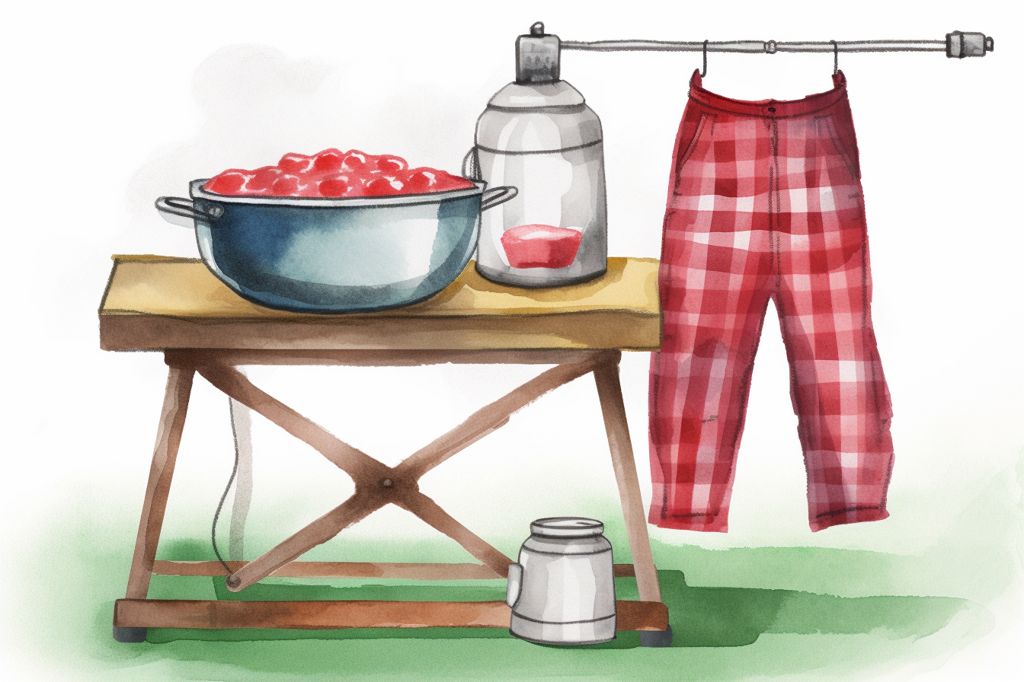
Linda Mbuqe was the first person to testify. She said that he was living in a makeshift building on the Liesbeek River Trail at the time of the killing. Mbuqe’s testimony painted a picture of gratuitous violence against the homeless and a lack of respect for their basic human needs. Mbuqe said he was cooking pap on an open fire to eat with his medication when the law enforcement officers arrived and kicked over his pot. This act of aggression shocked Mbuqe, who became angry and grabbed a pick axe, walking towards Kati, who approached him.
Mbuqe explained that he was hungry and needed to eat to take his medication, but Kati’s colleague took the axe from him. At this point, Joxo came out of his tent with his partner and her son, and several other residents came to find out what was happening. Mbuqe said that when Joxo heard that Kati had broken the pot, he got angry and started cursing at him. He noted that Kati then moved toward him, pushed him against his cheek with one hand, and shot Joxo, who was standing behind him, with the other.
The testimony of Mbuqe suggests that the law enforcement officers were not only violent but also lacked empathy and respect for the basic human needs of the homeless. Their behavior sparked anger and frustration among residents at the Liesbeek River Trail, leading to a tragic altercation that cost Joxo his life.
The Magistrate’s Remarks
Magistrate Heather Paulse noted that Kati could face up to 15 years in jail if found guilty of murder as a first-time offender. The next court date has been set for April 13th, and Kati’s bail of R1,000 has been extended until then.
The trial has only just begun, and it is unclear what the final outcome will be. However, it is clear that this case brings attention to the ongoing issue of police brutality in South Africa. The shooting of Joxo highlights the vulnerability of homeless people in the country, who are often at risk of violence and abuse from law enforcement officers.
It is also important to note that this case comes at a time when many people around the world are calling for a re-evaluation of policing practices. The Black Lives Matter movement has brought attention to the systemic racism and violence that exists within law enforcement institutions in many countries. The trial of Kati serves as a reminder that these issues are not limited to any one place or time.
As the trial continues, it will be important to keep in mind the broader context in which it is taking place. It is not just about the actions of one individual but about the larger societal issues that the case brings to light.