Cape Town is a city full of stories, where old memories and new life blend together. Its colorful neighborhoods like Bo-Kaap and Sea Point show how people have kept their culture alive while facing big changes. The city’s spirit shines through its mountains, ocean breeze, and welcoming streets, reminding everyone that history and hope walk hand in hand. Cape Town keeps growing and changing, but its heart beats strong with the stories of those who call it home.
What makes Cape Town a city of memory, identity, and transformation?
Cape Town is a vibrant city where history and modern life intertwine. Its diverse neighborhoods like Bo-Kaap, Sea Point, and District Six reflect layers of cultural heritage, resilience, and change, preserving memories while embracing ongoing transformation and new identities.
The Ever-Changing Face of the Mother City
Cape Town, often fondly referred to as the Mother City, offers a rare blend of constant evolution and enduring spirit. While new cafes and rising skyscrapers signal the city’s modern ambitions, the essence of Cape Town is anchored by the ever-present Table Mountain, the tang of the sea breeze, and the vibrancy of its patchwork communities. Walking its streets, from Sea Point to Bo-Kaap or Bloubergstrand, brings one face-to-face with overlapping histories and the persistent echoes of past lives shaped by both breathtaking beauty and profound adversity.
Wandering through Cape Town’s neighborhoods, it becomes clear that the city resists stasis. Change pulses through daily life, yet certain qualities remain immutable. The ocean’s scent, the collective hum of diverse cultures, and the silhouette of the mountain create a sense of continuity even as the city reinvents itself. Cape Town’s neighborhoods showcase the living tapestry of its past and present, inviting exploration and reflection at every turn.
Despite this ongoing transformation, the heartbeat of Cape Town lies in its ability to preserve memory while forging new identities. Each district bears unique stories—some joyful, others marked by hardship—but together they form a cityscape that is both deeply rooted and perpetually in motion. The Mother City wears its history openly, revealing the scars and triumphs of those who have called it home.
Sea Point: From Open Pastures to Urban Mosaic
Today, Sea Point is synonymous with stylish eateries, sleek apartment blocks, and a cosmopolitan sea promenade. However, its story reaches back to a time before the first tram tracks crossed its length, when the Gorachoqua and Goringhaiqua, two Khoikhoi clans, grazed livestock along these breezy shores. For centuries, these indigenous peoples maintained a close relationship with the coastline, long before European colonists set foot on the Cape’s sandy reaches.
As the nineteenth century unfolded, Sea Point gradually transformed into a coveted suburb for Cape Town’s European elite. Tramways rattled past saltwater pools, and the coastline morphed into a bustling urban beachfront. This development, however, came at a steep price. Under apartheid, authorities targeted Sea Point’s tightly knit Coloured communities—especially those on Tramway and Illford Roads—for forced removals, tearing apart neighborhoods that had survived on connection and shared resilience. Residents recall spirited football games on the Green Point Common and evenings spent watching the sun set behind Lion’s Head—moments now preserved only in memory.
Sea Point stands out for its refusal to fit into a single mold. When South Africa imposed laws restricting sexual identity, Sea Point became a rare enclave of acceptance for the LGBTQ+ community. Here, the air once vibrated with Cape jazz drifting from clandestine clubs, and houses of worship from different faiths stood side by side. Public art found space along the promenade even before it was a destination for Instagrammers. These layers of history—woven from joy, defiance, and pain—still shape the area’s distinct character, which survives beneath the gleam of new real estate.
Bo-Kaap and District Six: Guardians of Heritage and Hope
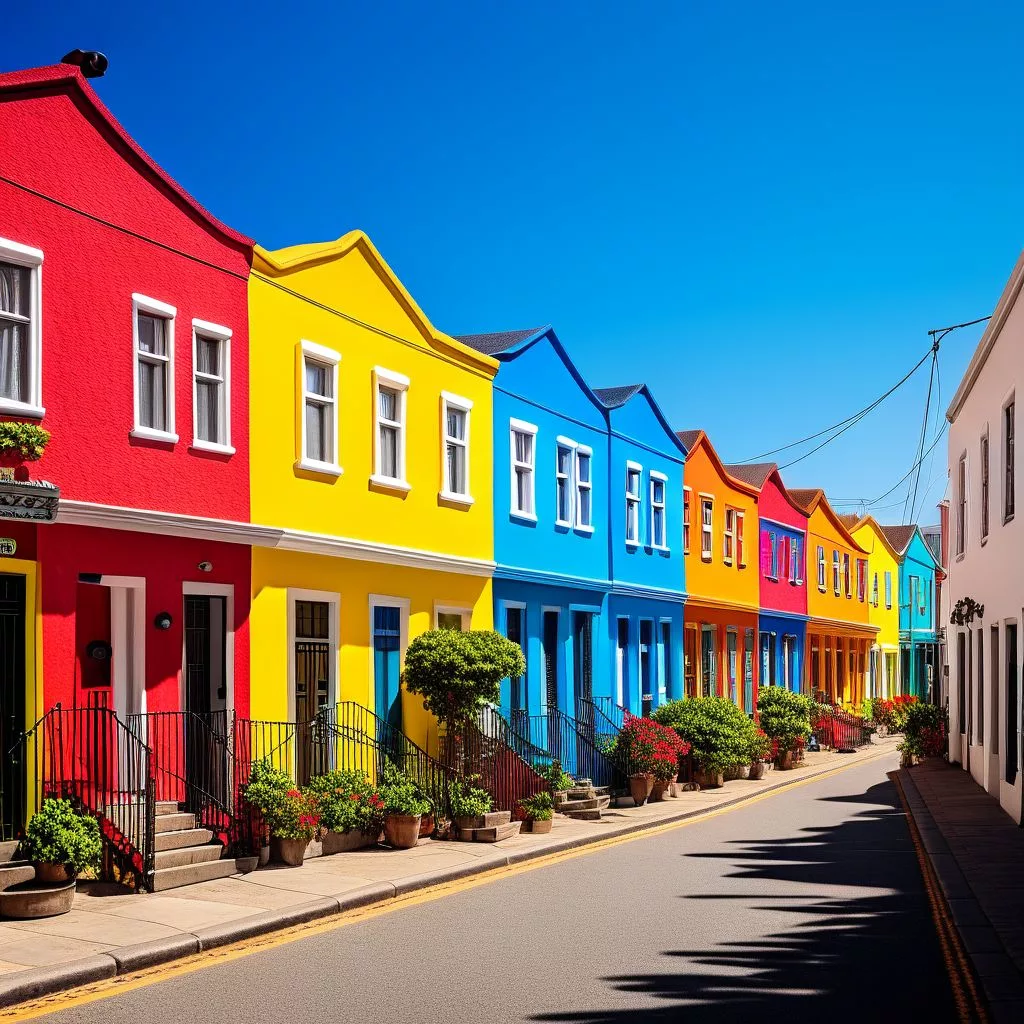
Bo-Kaap, with its vivid facades and cobbled streets, has become an emblem of Cape Town’s colorful spirit. Its iconic, rainbow-painted houses began as leased dwellings for freed slaves under Dutch rule, evolving into proud statements of freedom and self-expression after emancipation. Residents painted their homes in bold colors to reclaim their stories and assert their new identities, transforming the neighborhood into a living canvas of resilience.
The heart of Bo-Kaap beats to the rhythms of Cape Malay culture. The aroma of spices pervades the air, mingling with the melodic call to prayer from the Auwal Masjid, South Africa’s oldest mosque. Families have passed down recipes, traditions, and faith through generations, weaving a cultural fabric that remains strong even as property development and gentrification threaten the community’s close-knit bonds. The struggle to preserve Bo-Kaap’s heritage mirrors the wider South African narrative, where communities continually resist erasure and fight for recognition in the face of relentless change.
District Six, just over the rise of Signal Hill, once echoed with the rhythms of jazz, bustling markets, and the buzz of street life. Home to artisans, workers, and families from across continents, District Six drew its strength from diversity and daily acts of togetherness. The neighborhood’s narrow lanes and shared courtyards fostered a unique blend of cultures and languages, creating a sense of belonging rooted in everyday experience.
Tragedy struck in the 1970s when the apartheid regime razed District Six, forcibly removing over 60,000 residents and replacing the vibrant community with vacant lots and silence. Yet, the neighborhood’s spirit refused to be erased. Through music, museums, and tireless activism, former residents have kept the memory of District Six alive, fighting for restitution and the right to return. The story of District Six remains essential to Cape Town’s collective consciousness, a powerful reminder of how memory endures—even in the face of loss.
Bloubergstrand: Where Past and Present Converge
Bloubergstrand, famed for panoramic views of Table Mountain and its kite-surfer-friendly winds, carries a history that stretches back centuries. Early communities such as the Goringhaikona, led by the enigmatic ‘Harry die Strandloper’, once lived among its dunes. Harry, often regarded as the Cape’s first unofficial postmaster, acted as a go-between for indigenous people and Dutch settlers, facilitating communication and trade between worlds that often misunderstood one another.
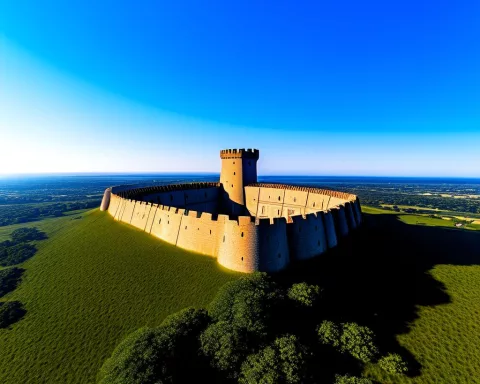
In 1806, Bloubergstrand became the stage for the pivotal Battle of Blaauwberg, where British and Dutch forces clashed for control of the Cape. The British victory cemented the colony’s future under British rule. Afterward, the Stadler family established themselves on this land, with their farmhouse ‘Ons Huisie’ becoming a local landmark—its walls sheltering generations of stories. Today, visitors flock to Bloubergstrand for wind-swept beaches and stunning vistas, yet the landscape still whispers of old encounters, community gatherings, and forgotten fishing villages.
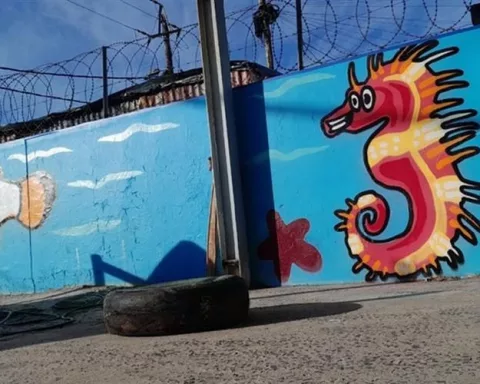
Bloubergstrand’s transformation from a colonial outpost to an internationally recognized recreational haven reflects the broader evolution of Cape Town. New industries and recreational pursuits have reimagined the landscape, but vestiges of earlier times remain visible in greenbelts, place names, and weathered structures. Local artists and historians, drawing inspiration from contemporary art movements like land art, work to keep these spaces alive—not as static monuments, but as sites that continue to spark memory and reflection.
The Tapestry of Cape Town: Artistry, Memory, and Movement
Cape Town’s neighborhoods—each with distinct rhythms and stories—collectively reveal a city shaped by both adaptation and endurance. This becomes evident not just in grand historical narratives, but also in the rituals of daily living: baking koesisters, painting stoops in bright patterns, or sharing music around the family table. The city’s architectural and artistic landscape—melding indigenous heritage, colonial influences, and modernist design—reflects its ongoing process of layering and reinvention. Cape Town’s creative minds, from Irma Stern to Peter Clarke, have captured its contradictions and resilience in their vivid depictions.
What truly distinguishes Cape Town, however, is its refusal to be defined solely by its hardships or victories. Every new high-rise, restored shop front, and fashionable café builds atop the city’s previous incarnations, adding complexity to its living narrative. In this continual rewriting, Cape Town becomes a true palimpsest—its stories written, erased, and rewritten by generations of inhabitants. The colorful facades of Bo-Kaap delight visitors, but also serve as symbols of ongoing battles for identity and place. The sleek walkways of Sea Point may dazzle, but their benches remember an era when apartheid kept people apart.
Even the city’s winds—once a nemesis to sailors and settlers—now power the sails of kite-surfers and invigorate those who wander along its beaches. Cape Town’s vibrant energy comes from this constant interplay between memory and reinvention. It invites residents and visitors alike to look beyond the surface, listen for echoes beneath their feet, and find the artistry woven into the very fabric of daily life. In every corner, Cape Town offers proof that a city’s true soul lies in the stories its people tell and retell, ensuring that the past continues to shape the present, and the present, in turn, leaves its mark for the future.
What makes Cape Town a city of memory, identity, and transformation?
Cape Town is a vibrant city where history and modern life intertwine. Its diverse neighborhoods like Bo-Kaap, Sea Point, and District Six reflect layers of cultural heritage, resilience, and change. These areas preserve memories of past communities and struggles while embracing ongoing transformation and the emergence of new identities. The city’s spirit is a blend of old stories and new beginnings, making it a living testament to history and hope.
How do neighborhoods like Bo-Kaap and District Six reflect Cape Town’s cultural heritage?
Bo-Kaap is famous for its brightly colored houses and Cape Malay culture, symbolizing freedom and self-expression after emancipation. It remains a stronghold of tradition, faith, and community despite pressures from gentrification. District Six was once a lively, multicultural neighborhood that was destroyed under apartheid, with forced removals displacing thousands. Today, its memory is preserved through music, museums, and activism, serving as a powerful reminder of resistance and cultural survival in Cape Town.
What is the historical significance of Sea Point in Cape Town’s story?
Sea Point’s history stretches back to its original Khoikhoi inhabitants, the Gorachoqua and Goringhaiqua clans. Over time, it evolved from indigenous grazing lands to a fashionable suburb for European settlers. Under apartheid, Sea Point’s Coloured communities suffered forced removals, yet the area became known as a rare refuge for the LGBTQ+ community, embracing diversity and defiance. Today, Sea Point is a cosmopolitan urban mosaic that still carries these layers of joy, struggle, and transformation.
How does Bloubergstrand represent the convergence of past and present in Cape Town?
Bloubergstrand offers stunning views of Table Mountain and is known for its recreational beaches and kite-surfing. Historically, it was home to indigenous communities like the Goringhaikona and the site of the 1806 Battle of Blaauwberg, which shaped colonial rule. The area’s historic landmarks, such as the Stadler family farmhouse ‘Ons Huisie’, connect visitors to its layered past. Bloubergstrand’s evolution from colonial outpost to modern leisure spot exemplifies Cape Town’s broader journey of change while honoring memory.
In what ways does Cape Town’s artistic and architectural landscape reflect its layered identity?
Cape Town’s art and architecture weave together indigenous heritage, colonial influences, and modern design. From the vivid works of artists like Irma Stern and Peter Clarke to everyday cultural expressions like painting Bo-Kaap’s stoops or baking koesisters, creativity plays a central role in the city’s identity. Public art, music, and festivals celebrate both struggle and resilience, embodying the city’s ongoing narrative of memory, adaptation, and hope.
Why is Cape Town often called the “Mother City,” and how does this reflect its character?
Cape Town is affectionately known as the “Mother City” because it is the oldest urban area in South Africa and a birthplace of diverse cultures and histories. This nickname reflects its enduring spirit—a city rooted in rich traditions while continuously evolving. The ever-present Table Mountain, vibrant communities, and dynamic changes all contribute to a city that nurtures its people and stories. Cape Town’s identity as the Mother City symbolizes both protection and growth, embracing its past while looking toward the future.