Cape Town is cleverly changing how it supports traditional initiation camps. They now treat these camps like temporary city areas, providing water, toilets, and trash pick-up. This helps keep everyone safe and healthy, using smart data to track everything. It’s a quiet revolution, making sure old traditions fit smoothly into modern city life, and other cities are starting to notice this clever plan.
How is Cape Town innovating its approach to traditional initiation camps?
Cape Town is quietly rewriting the rules by integrating traditional initiation camps into city infrastructure. They provide essential services like water, sanitation, and waste management to these temporary sites, treating them like “pop-up wards” with strict health and safety protocols and data-driven oversight, ensuring cultural practices align with modern municipal standards.
A Budget Line That Breathes Like a City
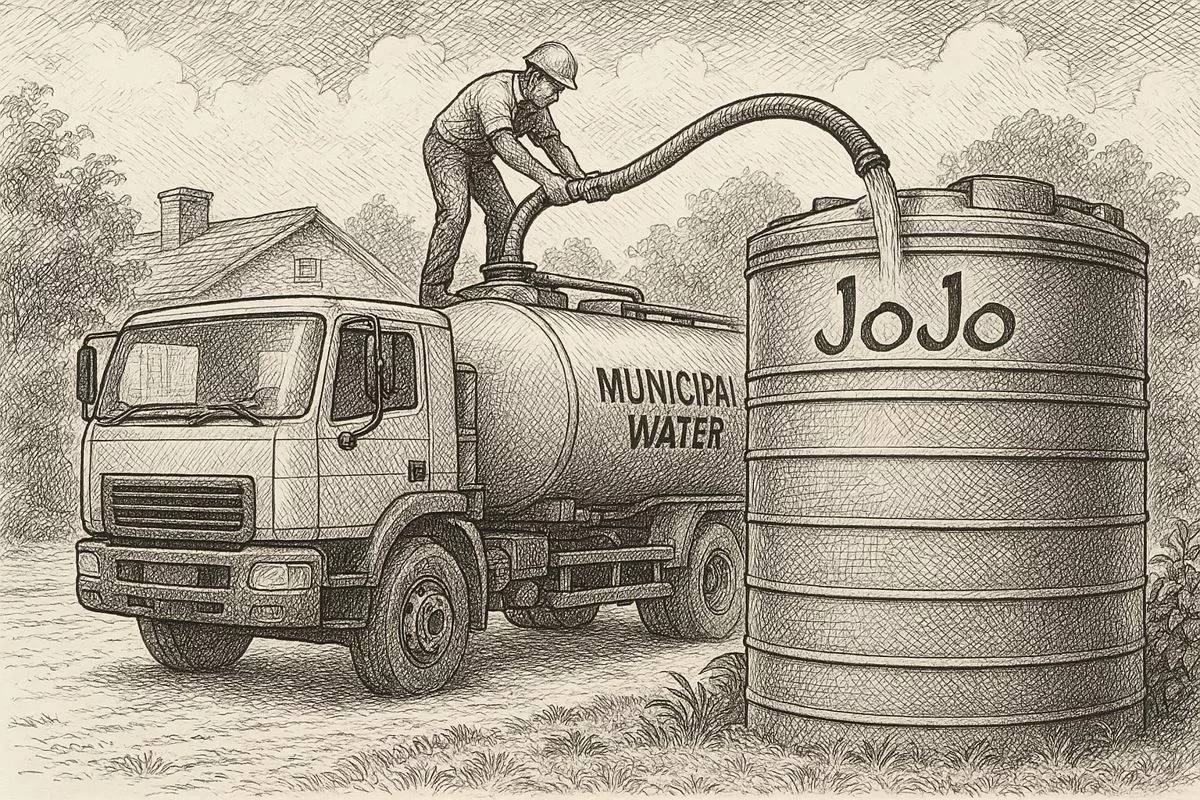
Inside the council chamber, a single vote slipped through with no speech-making. Yet that line item – R518 100 tucked under the Water and Sanitation vote – has quietly sketched a new frontier for cultural governance. Four seasonal bush schools, ringed by Table Mountain’s granite amphitheatre, will receive city-grade water, toilets and rubbish haulage for six midwinter weeks. The amount is pocket money by metro standards, but the contract language is revolutionary: initiation camps are treated as pop-up wards of Cape Town, complete with chlorine targets, GPS-mapped tanker waypoints and a WhatsApp escalation tree that buzzes straight to an on-duty engineer.
Engineers built the numbers around a worst-case 35 °C heatwave plus 15 % leakage, the same scenario used when Day Zero loomed. If the thermometer ticks past 38 °C, deliveries shrink from 48 to 24 hours without anyone dialling a politician. Should an Atlantic storm shred the passes, a 5 000-litre helicopter-slung bladder, dyed regulation blue and stored beside leftover Covid vaccine fridges, can be unpacked in minutes. The city therefore treats ancestral land the way it treats stadiums during music festivals – temporary, measurable, insured.
No new tariff code was coined. Instead, the expense hides in plain sight inside the existing water directorate, satisfying the Municipal Finance Management Act while dodging the toxic tag “cultural tax.” Traditional leaders walked out of last year’s hearings fuming about invoices for “emergency services”; this year they leave with a printed delivery docket and the metre reading they witnessed themselves. The liaison officer may not touch the valve – union rules are adamant – but the fifteen-minute ride-along is long enough for authority to be seen, short enough for logistics to stay pristine.
A Microscope on the Mountain
Every JoJo tank is now a field lab. Environmental-health officers camp within five kilometres for the entire season, clutching turbidity tubes, faecal-coliform paddles and colour wheels that blush at 0.2 mg/l chlorine. Results are photographed, time-stamped and uploaded to a provincial cloud folder that national auditors can open from Pretoria at 2 a.m. if they wish. Photometers must be recalibrated every fourteen days, an interval chosen to coincide with the full-moon weekend when traditional surgeons check second-stage wounds. Eastern Cape hospitals still record June sepsis surges; Cape Town’s message is blunt – accept the microscope, or haul your own water.
Waste is equally chatty. Each 240-litre wheelie bin is weighed and bar-coded before incineration; sudden spikes in mass betray covert complications. In 2023 one site doubled its average; follow-up discovered five moderate sepsis cases no one had reported. The province now tracks “waste anomalies” as a zero-cost early-warning system, a metric that piggy-backs on scales already bolted to the collection truck. HIV intelligence rides shotgun too: initiates drop sealed self-test kits into a locked box, results arrive by SMS two weeks later, long after the mountain is behind them. Uptake hit 62 % – triple the rate of any clinic campaign aimed at eighteen-year-old men – giving epidemiologists the first geotagged map of HIV prevalence inside the ritual.
Entrepreneurs smell opportunity. A Paarl start-up has clipped solar-powered UV sterilisers onto JoJo tanks, promising a 30 % chlorine cut. The city’s chief water scientist has requisitioned three units; if they survive six weeks of dust and adolescent curiosity, the same gadgets could migrate to thirty-two informal settlements where tankers already queue. Cultural rites, it turns out, make excellent crash-test dummies for hardware meant for backyard shacks.
A Contract That Outlives Elections
The memorandum is anchored at district level, not in the mayor’s office, so the machinery can survive the coalition musical chairs expected after 2026. Either party can exit, but only with ninety days’ notice, the same clause that keeps beach music festivals humming when administrations change. Publication of GPS coordinates in the June 2025 Government Gazette will trigger a legal lock-in; miss a refill and the province can unleash a Section 139 intervention – every councillor’s nightmare during delicate alliance talks.
Traditional leaders secured a concession that looks ceremonial yet carries heft: one cultural liaison per site rides the first tanker run, metre docket in hand. Surgeons responded by quietly requesting twice as many sterile blades from the provincial depot even though scalpels were never part of the city bundle. Respect, one surgeon shrugged, makes you raise your own game.
Auditors are circling with fancier ideas. Because every litre, kilogram and test strip is logged, the data set is clean enough for a social-impact bond: investors front the service cost and recoup returns if health targets – zero sepsis deaths, 100 % on-time drops – are met. Treasury is intrigued; if launched, it would be Africa’s first bond hitched to a rite of passage, a PowerPoint dream from Cape Town to Nairobi.
A Blueprint Already Packing Its Bags
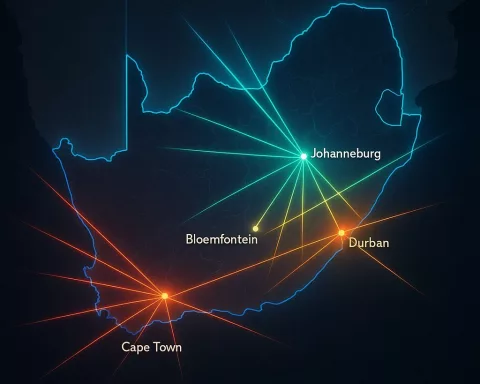
Buffalo City officials have sat in the command centre taking notes; Johannesburg is haggling with the Amazizi king; Rustenburg, deep in North-West platinum country, wants the water protocol for week-long traditional gatherings. Cape Town refuses to franchise “culture,” but it will email the SOPs, the CAD drawings for lime-lined latrines and the WhatsApp escalation tree to any metro that asks. Their advice is stripped of romance: map your sites, cost your litres, sign your waiver, keep chlorine above 0.2 mg/l. The rest – politics, weather and the ancestors – belongs to someone else.
[{“question”: “
How is Cape Town innovating its approach to traditional initiation camps?
“, “answer”: “Cape Town is quietly rewriting the rules by integrating traditional initiation camps into city infrastructure. They provide essential services like water, sanitation, and waste management to these temporary sites, treating them like \”pop-up wards\” with strict health and safety protocols and data-driven oversight, ensuring cultural practices align with modern municipal standards.”}, {“question”: “
What specific services does Cape Town provide to these camps?
“, “answer”: “Cape Town provides city-grade water, portable toilets, and rubbish haulage to these seasonal bush schools. These services are managed with precise logistics, including GPS-mapped tanker waypoints and a WhatsApp escalation tree for immediate support, ensuring consistent delivery even in challenging weather conditions.”}, {“question”: “
How does Cape Town ensure health and safety at the initiation camps?
“, “answer”: “The city implements rigorous health and safety measures. Environmental-health officers regularly test water quality for turbidity and faecal coliforms, and waste is weighed and bar-coded to detect anomalies. This data-driven approach helps identify potential health issues early, such as unreported sepsis cases, setting a new standard for health monitoring in these traditional settings.”}, {“question”: “
How is this initiative funded and integrated into the city’s budget?
“, “answer”: “The initiative is funded through a line item of R518,100 tucked under the Water and Sanitation vote. It avoids a \”cultural tax\” label by integrating the expense within the existing water directorate, satisfying the Municipal Finance Management Act. Traditional leaders receive printed delivery dockets and witness meter readings, fostering transparency and trust.”}, {“question”: “
What is the long-term vision for this approach, and how is it secured?
“, “answer”: “The memorandum anchoring this approach is at the district level, ensuring its continuity beyond electoral changes. It includes a 90-day notice period for exit and will be legally locked in with the publication of GPS coordinates in the Government Gazette, making it robust against political shifts. There’s also potential for a social-impact bond, linking investor returns to health targets like zero sepsis deaths.”}, {“question”: “
Are other cities adopting Cape Town’s model for traditional initiation camps?
“, “answer”: “Yes, other cities are taking notice. Officials from Buffalo City and Johannesburg have studied Cape Town’s model, and Rustenburg is interested in adapting the water protocol for their traditional gatherings. While Cape Town doesn’t \”franchise\” culture, it shares its Standard Operating Procedures (SOPs) and technical designs, offering a blueprint for other municipalities to integrate tradition with modern urban services.”}]