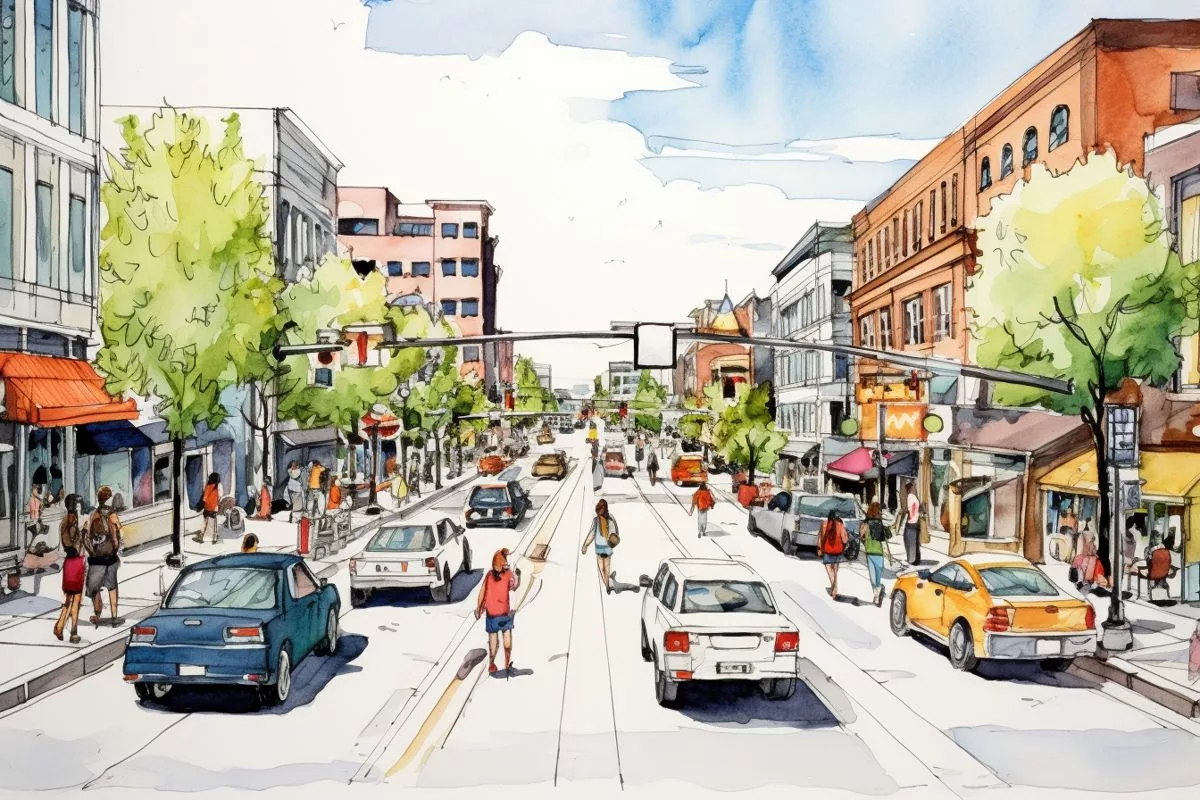

The City of Cape Town is seeking public feedback on proposed traffic calming measures to enhance pedestrian safety in various neighborhoods. Residents can provide their opinions on the plans, which are available on the city’s website and at various subcouncil offices and libraries. The city is offering special assistance to disadvantaged groups to ensure their input is documented and submitted. Cape Town’s approach to involving local communities in urban planning serves as an example for others to follow in creating safer and more inclusive cities.
Public Input Sought on Traffic Calming Proposals: The City of Cape Town is seeking public feedback on proposed traffic calming measures aimed at enhancing pedestrian safety in several neighborhoods. Residents can review the plans on the city’s website or at various subcouncil offices and libraries, and special assistance will be provided to disadvantaged groups. Involving the public in urban planning is crucial for creating more inclusive and adaptable cities, and Cape Town’s proactive approach serves as an example for others to follow.
Public Input Sought on Traffic Calming Proposals
The City of Cape Town is actively working on improving urban mobility and has invited residents from several neighborhoods to share their thoughts and concerns on the proposed implementation of traffic calming measures. These proposed measures are aimed at enhancing pedestrian safety in areas such as Kraaifontein, Bonteheuwel, Delft, Boston, Bellville, Bishop Lavis, Parow, Ravensmead, Edgemead, Oakdale, Adriaanse, Vredelust, Northpine, Greenville, and Valhalla Park. The Urban Mobility Directorate is accepting public feedback on these proposals until 2 December 2023.
City Councillor Rob Quintas, the Mayoral Committee Member for Urban Mobility, stresses the significance of community participation in the planning process and underlines that the primary focus of these measures is to improve pedestrian safety, especially around schools. Quintas encourages residents to examine the plans on the City’s website and to communicate with the authorities about any questions or remarks they might have.
Residents can access the designs and the list of impacted streets and roads on the designated website. They also have the option to visit various subcouncil offices and libraries located throughout different neighborhoods to gather more information about the proposals. These locations include municipal offices in Kraaifontein, Milnerton, Parow, Bonteheuwel, Bellville, Durbanville, and Pinelands, as well as libraries in Kraaifontein, Bellville, Bishop Lavis, Bonteheuwel, Delft, Edgemead, Parow, Valhalla Park, Elsies River, and Fisantekraal.
Assistance for Disadvantaged Groups
The city will provide special assistance to those who have difficulty reading or writing, individuals with disabilities, and other disadvantaged groups who cannot submit written comments. This support ensures that everyone has an opportunity to have their inputs documented and submitted to the municipality.
Involving the public in urban planning is crucial for building more inclusive and adaptable cities and making sure citizens’ needs are addressed. Cape Town’s process begins with inviting residents to express their opinions on proposed traffic calming measures. It is vital for local communities to review the plans and offer their feedback, helping the city create appropriate and effective solutions.
Enhancing Urban Mobility and Pedestrian Safety
Urban mobility is an integral part of modern city life, and increasing pedestrian safety is a high priority in numerous densely populated areas. Implementing traffic calming measures can minimize collisions and accidents, resulting in safer environments for pedestrians, particularly in locations with high numbers of vulnerable road users such as school children.
The proposed measures in Cape Town demonstrate the city’s dedication to enhancing urban mobility and ensuring the safety of its residents. By involving local communities in the planning process, the city can develop tailored and effective solutions that cater to the specific requirements of each neighborhood.
As the deadline for public input nears, it is essential for residents of the affected areas to interact with the proposals, ask questions, and voice their concerns. By doing so, they can guarantee that the eventual implementation of traffic calming measures will accurately address the needs and priorities of each community.
Cape Town Leading the Way
The City of Cape Town’s proactive approach to urban mobility planning and its commitment to including residents in the decision-making process serves as an example for other cities to follow. By concentrating on the needs and concerns of local communities, it is possible to create safer urban spaces for everyone.
In conclusion, the City of Cape Town’s proposed traffic calming measures seek to enhance pedestrian safety in various neighborhoods across the city. Residents are urged to review the plans and provide their input to help guarantee the most effective and suitable solutions are implemented. Public engagement in the planning process is critical for creating more inclusive and adaptable cities, and the City of Cape Town is at the forefront of this effort.
1. What is the City of Cape Town seeking feedback on?
The City of Cape Town is seeking public feedback on proposed traffic calming measures aimed at enhancing pedestrian safety in several neighborhoods.
2. Where can residents access the proposed plans?
Residents can review the plans on the City’s website or at various subcouncil offices and libraries located throughout different neighborhoods.
3. Until when can residents give their feedback?
The Urban Mobility Directorate is accepting public feedback on these proposals until 2 December 2023.
4. What is the significance of community participation in the planning process?
City Councillor Rob Quintas stresses the significance of community participation in the planning process, and underlines that the primary focus of these measures is to improve pedestrian safety, especially around schools.
5. Who can receive special assistance for providing feedback?
The city will provide special assistance to those who have difficulty reading or writing, individuals with disabilities, and other disadvantaged groups who cannot submit written comments.
6. What is the importance of involving the public in urban planning?
Involving the public in urban planning is crucial for building more inclusive and adaptable cities and making sure citizens’ needs are addressed.
7. What is the purpose of implementing traffic calming measures?
Implementing traffic calming measures can minimize collisions and accidents, resulting in safer environments for pedestrians, particularly in locations with high numbers of vulnerable road users such as school children.
8. What can other cities learn from Cape Town’s approach to urban mobility planning?
The City of Cape Town’s proactive approach to urban mobility planning and its commitment to including residents in the decision-making process serves as an example for other cities to follow.