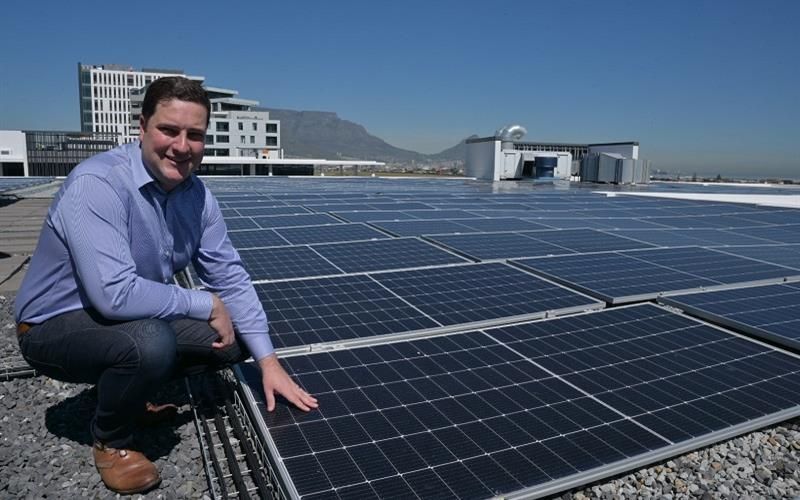
Cape Town is experiencing a rooftop solar explosion with a record-breaking 1,500 small-scale embedded generation (SSEG) applications in August 2023, a 50% increase from the previous month. The driving force behind this growth is a desire to avoid load-shedding and take advantage of the City’s upcoming incentives, including cash compensation for generated power. Cape Town envisions a future grid that enables all customers to both consume and generate electricity as part of an integrated network, with new regulations in place to ensure safety, integrity, and efficient solar power generation.
Cape Town has experienced an exceptional increase in rooftop solar installations, hitting an all-time high in August 2023 with over 1,500 small-scale embedded generation (SSEG) applications. This impressive leap, a 50% increase from the previous record set in July, highlights Capetonians’ growing interest in solar energy and battery systems.
Escaping Load-Shedding and Reaping Financial Benefits
The driving force behind this transformation is twofold: to avoid Eskom’s load-shedding and to take advantage of the City’s upcoming incentives that compensate residents with cash for generated power. Cape Town’s dedication to this energy transition is apparent in its efforts to simplify the approval process by creating an user-friendly online applications portal.
Beginning from October 1, 2023, all SSEG systems will necessitate a City-approved inverter and professional sign-off, effectively classifying all systems as grid-tied. This step aims to combat the emergence of dishonest operators offering subpar systems or incorrect wiring, both of which contribute to extended outages during load-shedding.
Solar PV Record-Breaking Growth
In the past four months, Cape Town has continuously broken solar PV application records since May 2023, amounting to over 100 MW of installed capacity. The City is adamant about making solar power more accessible and affordable for households, with the introduction of a more cost-effective advanced metering infrastructure (AMI) meter early next year. Additionally, Cape Town will provide cash incentives for households and businesses that sell their surplus power back to the grid.
This solar surge coincides with Cape Town’s larger vision of incorporating 1 GW of independent power from various sources into its grid over time. Mayor Geordin Hill-Lewis has predicted that the first 650 MW will be functional by 2025/26, effectively shielding against Eskom’s first four stages of load-shedding. This ambitious target will be primarily achieved through a combination of the Steenbras Hydro Plant, 500 MW of dispatchable energy, and demand management initiatives, such as the forthcoming Power Heroes incentives designed to flatten peak usage.
A Network for Both Consumers and Producers
Cape Town envisions a future grid that enables all customers to both consume and generate electricity as part of an integrated network. This concept echoes the evolving global energy landscape and is anticipated to significantly improve authorization turnaround time, enhance safety, prevent area outages due to inferior systems, and protect homeowners from unscrupulous operators. City officials have expressed gratitude to industry professionals who already advocate for safe and legal systems and have pledged support to all stakeholders during this transition.
Ensuring Network Safety and Integrity
To guarantee the safety and integrity of the network, Cape Town has implemented new regulations concerning SSEG systems. As of October 2023, all systems must utilize a City-approved inverter and obtain professional sign-off. This modification will help accelerate the registration process by reducing the variety of wiring configurations that City professionals must evaluate. It’s worth noting that these requirements only apply to solar PV and battery systems connected to a building’s wiring, and not to trolley inverters that plug into wall sockets, which are considered electrical appliances.
As of October 2023, applications for standby and off-grid systems will no longer be accepted. While pre-October approvals and applications will remain valid and processed, priority will be given to grid-tied systems using City-approved inverters. This shift demonstrates the City’s commitment to promoting safe and efficient solar power generation.
Fostering Rooftop Solar Installations
Cape Town’s endeavors to streamline rooftop solar installations further emphasize its commitment to a clean energy future. With a straightforward online application process in development and a comprehensive checklist to guide customers, the City is actively encouraging solar energy adoption.
The rooftop solar revolution in Cape Town signifies a critical moment in the city’s energy landscape. As more residents embrace solar power, the City’s grid will grow increasingly robust, laying the foundation for a resilient, sustainable, and cost-effective energy future.
1. What is the current status of rooftop solar installations in Cape Town?
Cape Town is experiencing a rooftop solar explosion with a record-breaking 1,500 small-scale embedded generation (SSEG) applications in August 2023, a 50% increase from the previous month.
2. What is driving the growth in rooftop solar installations in Cape Town?
The driving force behind this growth is a desire to avoid load-shedding and take advantage of the City’s upcoming incentives, including cash compensation for generated power.
3. What is load-shedding?
Load-shedding is an emergency measure used by Eskom, the national electricity supplier in South Africa, to reduce the demand for electricity during periods of peak usage.
4. What incentives will Cape Town provide for households and businesses that sell their surplus power back to the grid?
Cape Town will provide cash incentives for households and businesses that sell their surplus power back to the grid.
5. What is the City’s vision for the future grid?
Cape Town envisions a future grid that enables all customers to both consume and generate electricity as part of an integrated network.
6. What regulations has Cape Town implemented concerning SSEG systems?
As of October 2023, all SSEG systems must utilize a City-approved inverter and obtain professional sign-off.
7. What is the City’s commitment to promoting safe and efficient solar power generation?
The City’s commitment to promoting safe and efficient solar power generation is evidenced by its implementation of new regulations concerning SSEG systems and the prioritization of grid-tied systems using City-approved inverters.
8. How is Cape Town encouraging solar energy adoption?
With a straightforward online application process in development and a comprehensive checklist to guide customers, the City is actively encouraging solar energy adoption.