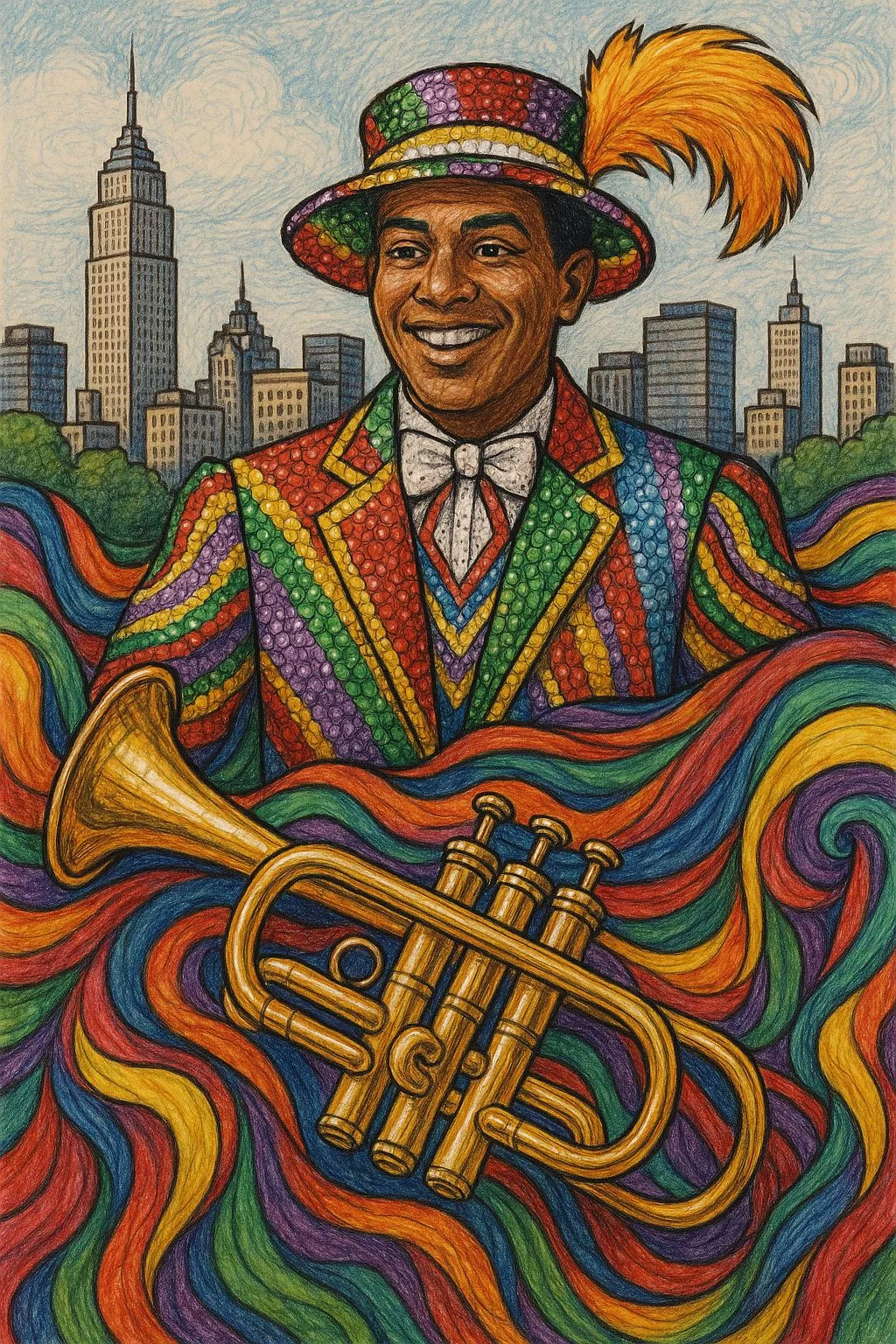
Cape Town’s famous Klopse Parade is getting a big makeover in 2026! Instead of the old city streets, 20,000 performers will march a new “1.2 km loop in Green Point”. Imagine colorful costumes, catchy music, and dazzling lights, all in a fresh, open space by the sea. This change means easier travel for everyone and lots of new, exciting ways to celebrate, making the parade even more amazing for both performers and fans. It’s a bold step, bringing a beloved tradition into a bright new future, full of science, sparkle, and song!
What is the new route for Cape Town’s 2026 Klopse Parade?
The 2026 Kaapse Klopse Parade will move to a 1.2 km loop in Green Point, book-ended by Somerset Road and the Urban Park. This new route streamlines logistics and provides a larger, more accessible space for the 20,000 minstrels and spectators, moving away from the traditional inner-city alleys.
Section 1 – New Coordinates for an Old Tune
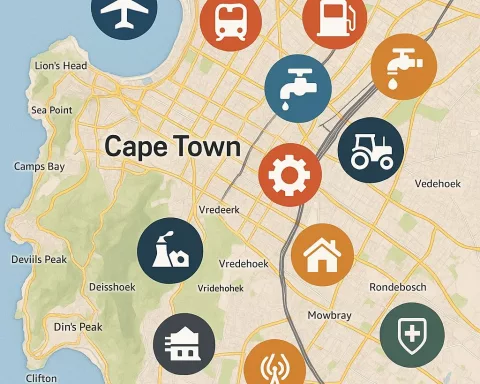
January 2026 will break a 140-year habit. Instead of spilling through the inner-city alleys where slaves once let off steam, the Kaapse Klopse Karnival Association wants to march its 20 000 minstrels along a breezy Green Point corridor already battle-tested by rugby victories and wine festivals. The formal request, delivered to the City’s Events Office on a fog-cold morning last winter, locks the carnival inside a 1,2 km loop book-ended by Somerset Road and the Urban Park.
Chiappini Street – famous for 4 a.m. espressos before the Saturday-market rush – will morph into Africa’s loudest wardrobe. Seventy-two re-painted shipping containers will line the kerb, acting as pop-up dressing rooms, first-aid kiosks and LED-repair bays. Signal-red, gum-ball-pink and acid-yellow – the 2026 palette – reference the trams that once rattled toward the docks. Between sunrise and 10 a.m. the opskudders (troupe captains) will bark roll-call numbers across this rainbow depot before the mass warm-up shuffle begins.
Precision drives the new timetable. An air-horn synced to Signal Hill’s noon gun will fire at 11:00, releasing the first troupe, District Six Redux, at an exact 104 beats per minute. Every eight minutes another wave launches, a density formula borrowed from Rio yet tweaked for the notorious south-easter. Stellenbosch wind labs proved that tilting three-metre ostrich feathers 15° forward stops gusts from bowling musicians over – a lesson learned after the 2024 pile-up that blocked satellite vans and bruised fourteen egos.
Section 2 – Moving the Crowds and the Cash
Getting people to the party is treated like an Olympic transport drill. Somerset Road will become a reversible spine: west-bound for dawn deliveries, then flipped east-bound once the beer trucks roll out. MyCiTi buses on Route 113 will arrive every ninety seconds, dropping spectators onto a brand-new timber jetty that spans the Urban Park lake. Train riders disembark at the freshly minted Green Point Station – R1,2 billion well spent – and walk 1,4 km past food stalls to reach the circuit.
Car parks multiply like mushrooms. The V&A Waterfront opens basement levels P3-P5 at half-price, while the Green Point Golf Course surrenders 28 acres of rough for a “park-and-ride” scheme that bundles a R30 return shuttle with a G-minor vuvuzella. Inside the corridor, engineers have carved “pressure valves” every 180 m – four-metre gaps where paramedics can slice through clots of fans. These pockets also serve as TikTok stages, because no carnival moment is official until it trends online.
The money flood is equally choreographed. Broadcast rights sold to Canal+ Afrique alone net R22 million for a four-hour feed into 22 Francophone countries. Cape Town Fashion Week buys in for R4 million, promising acid-yellow blazers and gum-ball-pink bucket hats on European runways weeks later. A German brewery debuts “Klopse Kraaft,” a 5,2 % rooibos ale sold in cups that twist into Bluetooth speakers. Even crypto grabs a hat: 50 000 “CapeCoons” NFTs will live as QR patches inside jacket linings, unlocking year-round pop-up events from Berlin to Dubai.
Section 3 – Science, Safety and Sentiment
Behind the glitter lies a small mountain of data. Adjudicators perched on ten scissor lifts will score intonation, choreography and “costume sonic reverb” (how beads amplify a stomp) on Samsung tablets. Results are time-stamped to an Ethereum side-chain, ending the midnight court battles that once plagued paper tallies. The top five troupes qualify for the “Super 12” shoot-out five days later at Athlone Stadium, where new hybrid turf can absorb 2 500 sequential can-can kicks without turning to soup.
Climate guilt is tackled head-on. Costumes must contain 40 % recycled fibre, up from 15 % three years ago. In an Epping warehouse, 140 former gang members feed bottle tops into shredders that spit out 12 million lightweight sequins weekly – fish-scale glitter that travels 5 000 fewer sea miles than Chinese PVC discs. Ten electric garbage trucks will tail the revelers, inhaling tins, mylar and runaway feathers into colour-coded hoppers. Target: under 1 % landfill, a benchmark that beats UEFA’s own green manual.
Health teams treat performers like endurance athletes. UCT’s Sports Science Institute predicts a 4 800 kcal burn per dancer – two marathons plus a trombone. Rehydration pouches clipped to suspenders deliver naartjie-flavoured salts in 300 ml slugs, while refrigerated “cool rooms” stationed every 300 m drop core temps by 1,5 °C in four minutes. Chest-strap sensors on 200 volunteers will feed heart-rate data into the first long-term study on “artistic athlete” stress, a niche sports-medicine gap no one bothered to name until now.
Section 4 – Echoes, Critics and Classrooms
Tradition keepers watch the shift with mixed hearts. Mymoena Salie, 74, has stitched 42 jackets in her Salt-River lounge since 1978. She still sews mother-of-pearl buttons salvaged from post-war coats, but now threads copper wire so LEDs blink to banjo sub-frequencies. “The sea breeze will fling our sound wider,” she says, pinning a final flare on her grandson Ashwin’s shoulder. Acoustic historians agree: open Green Point skies will bounce brass sections farther than the brick canyon of District Six ever did, lending 2026 a bright, almost Caribbean ring.
Not everyone cheers. Inner-city restaurateurs fear losing the January cash injection they count on to survive winter; a Bree-Street petition pleads for a split-day format. KKKA chair Tauriq Jenkins, a 32-year-old forensic accountant, refuses: insurers will not underwrite two route changes in 24 hours. Bo-Kaap troupes stage a symbolic protest march, waving placards that read “Boesak Avenue is our runway,” wary that an affluent seaside backdrop might bleach the working-class soul of klopse culture.
Still, the classroom has already adopted the controversy. Because 5 January falls on a Monday, schools remain shut; 60 000 learners can attend free. The Western Cape Education Department slips the parade into Grade 7 coursework – maths via beat subdivision, EMS through event budgets, history via emancipation timelines. Learners who file observation journals earn natural-science extra credit, a move that could cement klopse studies in the national curriculum by 2027. When the air-horn finally blasts, Cape Town’s oldest street jam will step onto new asphalt scented with ocean salt – and with possibility.
What is the new route for Cape Town’s 2026 Klopse Parade?
The 2026 Kaapse Klopse Parade will move to a 1.2 km loop in Green Point, book-ended by Somerset Road and the Urban Park. This new route streamlines logistics and provides a larger, more accessible space for the 20,000 minstrels and spectators, moving away from the traditional inner-city alleys.
What new amenities will be available for performers at the 2026 parade?
Seventy-two repainted shipping containers will line Chiappini Street, serving as pop-up dressing rooms, first-aid kiosks, and LED-repair bays. These containers will feature the 2026 palette of signal-red, gum-ball-pink, and acid-yellow. Troupes will also undergo a mass warm-up shuffle in this rainbow depot before the parade begins.
How will spectators travel to the new parade location?
Getting to the parade will be an “Olympic transport drill.” Somerset Road will be a reversible spine for traffic. MyCiTi buses on Route 113 will arrive every ninety seconds, dropping spectators onto a new timber jetty spanning the Urban Park lake. Train riders can disembark at the newly built Green Point Station and walk past food stalls to the circuit. Additionally, the V&A Waterfront will offer discounted basement parking, and the Green Point Golf Course will provide 28 acres for a “park-and-ride” scheme, including a R30 return shuttle and a G-minor vuvuzella.
How is the 2026 Klopse Parade addressing environmental concerns?
The parade is tackling climate guilt head-on with several initiatives. Costumes must contain 40% recycled fibre. Bottle tops are shredded into 12 million lightweight, fish-scale sequins weekly by former gang members, reducing the need for imported PVC discs. Ten electric garbage trucks will follow the revelers, collecting waste into color-coded hoppers with a target of under 1% landfill, surpassing UEFA’s green manual.
What technological advancements are being implemented for the 2026 parade?
Technology plays a significant role in the new parade. Adjudicators will score performances using Samsung tablets, with results time-stamped to an Ethereum side-chain to ensure transparency and prevent disputes. “CapeCoons” NFTs (50,000 of them) will be QR patches in jacket linings, unlocking year-round pop-up events globally. Canal+ Afrique has secured broadcast rights, and a German brewery is launching “Klopse Kraaft” ale in cups that convert into Bluetooth speakers.
How is the Klopse Parade being integrated with education and health?
Since January 5th falls on a Monday, 60,000 learners can attend for free. The Western Cape Education Department is incorporating the parade into Grade 7 coursework, teaching maths through beat subdivision, EMS through event budgets, and history via emancipation timelines. Learners who submit observation journals can earn natural-science extra credit, potentially cementing “klopse studies” in the national curriculum by 2027. For performer health, UCT’s Sports Science Institute predicts a 4,800 kcal burn per dancer, and rehydration pouches with naartjie-flavored salts will be clipped to suspenders. Refrigerated “cool rooms” every 300m will drop core temperatures by 1.5°C in four minutes, and chest-strap sensors on 200 volunteers will provide data for the first long-term study on “artistic athlete” stress.