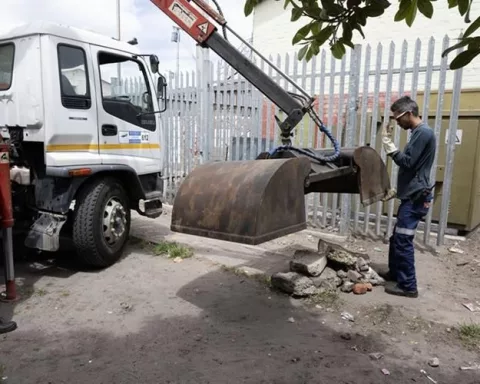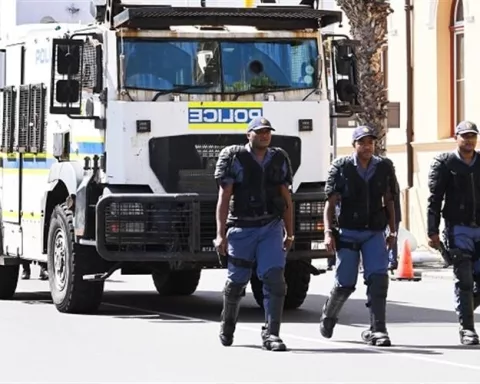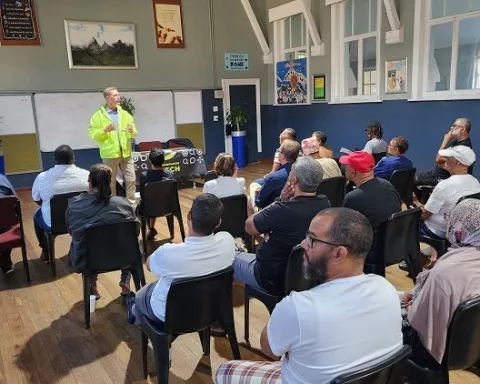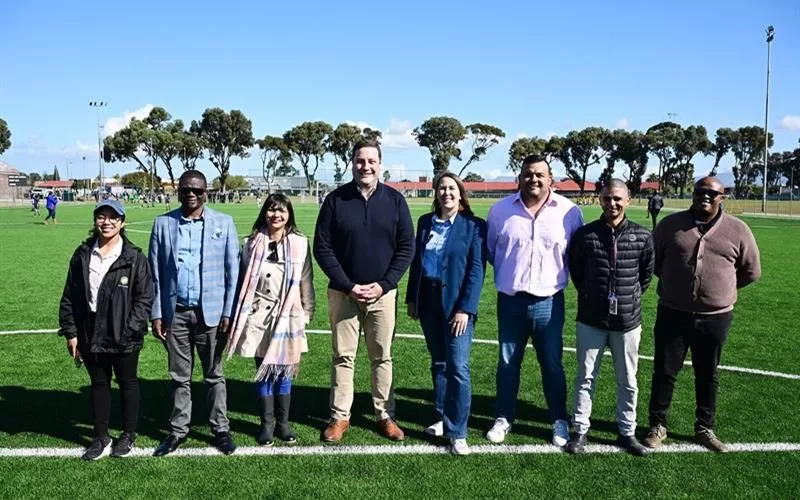
Cape Town’s Civil Security Collaboration Initiative is a bright beacon of community safety, bringing together local groups and law enforcement in a united effort. Recently, neighborhoods like Milnerton and Durbanville participated in exciting simulations to improve emergency response and communication. These exercises showed how important teamwork is during crises, as everyone, from volunteers to officials, worked together to protect their community. By blending traditional methods with modern technology, Cape Town is paving the way for safer streets and empowered residents, transforming everyone into a guardian of public safety.
What is Cape Town’s Civil Security Collaboration Initiative?
Cape Town’s Civil Security Collaboration Initiative is a community-driven safety program that involves local civil society groups and law enforcement. It focuses on enhancing public safety through strategic simulations and real-time information sharing, fostering a collective responsibility for safety among residents and agencies.
In the vibrant urban environment of Cape Town, where the Atlantic’s deep blue meets the formidable Table Mountain, the City’s Civil Security Collaboration Initiative emerges as a powerful symbol of community unity and proactive safety measures. Recently tested through a series of strategic simulations, this initiative reflects Cape Town’s unwavering dedication to public safety, facilitated by the active participation of civil society groups.
Simulations in Action: Milnerton and Durbanville in Focus
On a bright December morning, the neighborhoods of Milnerton and Durbanville became the epicenters of an ambitious exercise. Designed to not only evaluate the readiness of Cape Town’s law enforcement and emergency services, the simulations also tapped into the collective knowledge and resources of local civil society partners. Participants ranged from Neighbourhood Watches and Afriforum to Community in Blue volunteers, SAPS Junior Commissioners, lifeguard clubs, and Netcare 911, all united in a common cause.
The first part of the exercise took place on the bustling sands of Milnerton Beach, a popular destination especially during holiday times. Here, the scenario revolved around beach safety, focusing on refining interagency coordination and emergency protocols. The exercise highlighted the necessity for clear communication and rapid response in the face of diverse challenges that crowded public areas present. While beaches are often seen as places of relaxation, they also pose significant safety risks that require constant vigilance and quick action.
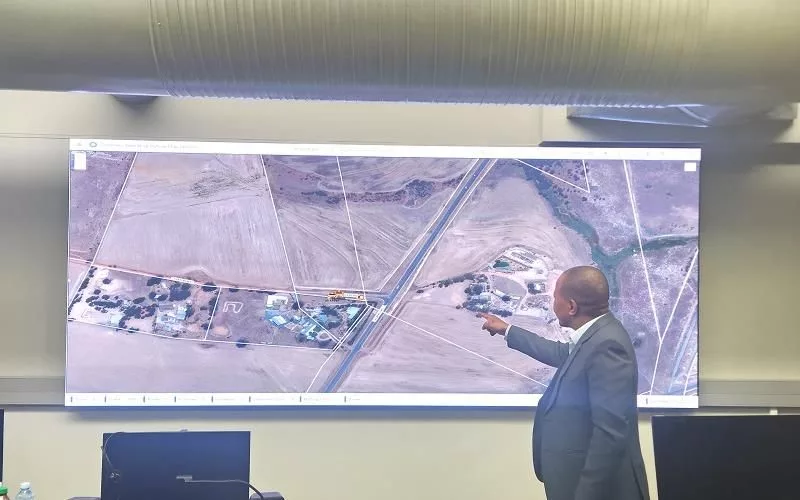
In contrast, the rural setting of Durbanville presented a different set of challenges. An armed robbery and shooting simulation provided a stark juxtaposition to the beach scenario. This setting underscored the need for a nuanced approach to public safety, one that considers the unique geographical and socio-economic factors of various communities.
Leadership and Vision: The Role of City Officials
Alderman JP Smith, the Mayoral Committee Member for Safety and Security, articulated the core objectives of these simulations. He stressed the importance of cohesive systems during crises, where numerous hands must work in unison for the greater good. These exercises are not just about evaluating existing procedures but also about empowering civil structures that are crucial in preserving Cape Town’s safety.
Central to the Civil Security Collaboration is the efficient exchange of information, which is vital for any successful crisis response. Earlier in the year, the city launched a dedicated WhatsApp line as a direct link to the City’s Joint Operations Centre (JOC). This tool enables participants to share critical information in real-time, thereby increasing the city’s ability to plan and execute responses with accuracy.
Councillor Mzwakhe Nqavashe, Chairperson of the City’s Safety and Security Portfolio Committee, emphasized the initiative’s guiding principle: public safety is a shared responsibility. His insights indicate a progressive transformation in how urban areas address safety issues, shifting from traditional dependence on uniformed services to a more inclusive model that values community engagement.
Community Involvement: A Broad Strategic Vision
The participation of diverse groups such as Disaster Management teams, Law Enforcement volunteers, and Neighbourhood Watch programs reveals a comprehensive strategic vision. These organizations, equipped with local insight and community trust, are invaluable to the city’s safety framework. In emergencies, as Councillor Nqavashe rightly pointed out, those affected are less concerned with titles or uniforms and more interested in receiving competent and timely help.
Historically, the concept of involving civil society in public safety has roots in the civic republicanism ideals of ancient Rome. While communities have always had a role in their own policing, the modern version of this collaboration employs advanced technology and structured partnerships to unprecedented degrees. Cape Town’s initiative stands as a modern-day revival of those ancient practices, integrating them with contemporary methods and tools.
This effort in Cape Town aligns with global trends in urban safety management. Around the world, cities increasingly recognize the importance of fostering a shared sense of responsibility among residents. By doing so, they not only enhance incident response but also construct resilient communities capable of enduring and recovering from crises.
A Modern Renaissance: Blending Tradition with Innovation
Moreover, the collaboration echoes the principles of the community art movement, which emerged in the 20th century to bridge gaps and promote inclusivity. Much like community art, Cape Town’s initiative is a participatory venture, necessitating active involvement from all stakeholders to cultivate a safer environment.
As Cape Town continues to grow and evolve, initiatives like the Civil Security Collaboration Initiative will become increasingly essential. They demonstrate how contemporary cities can leverage community power, merging tradition with innovation, to forge a safer, more unified urban landscape. This approach not only ensures protection but also empowers, transforming every resident into a guardian of public safety.
In summary, the Civil Security Collaboration Initiative represents a forward-thinking model for urban safety. By harnessing community involvement and embracing modern technology, Cape Town sets a precedent for how cities can effectively manage public safety challenges, paving the way for a more secure and resilient future.
“`markdown
What is Cape Town’s Civil Security Collaboration Initiative?
Cape Town’s Civil Security Collaboration Initiative is a community-driven safety program that collaborates local civil society groups with law enforcement. The initiative aims to enhance public safety through strategic simulations and real-time information sharing, fostering collective responsibility for safety among residents and agencies.
How have community simulations improved safety in Cape Town?
Recent simulations held in Milnerton and Durbanville highlighted the importance of teamwork during emergencies. These exercises involved various local groups and law enforcement, demonstrating how collaboration can enhance emergency response and improve communication in crisis situations.
What kinds of scenarios were tested during the simulations?
The simulations featured diverse scenarios, from beach safety at Milnerton Beach to an armed robbery and shooting simulation in the rural setting of Durbanville. These exercises showcased the unique safety challenges faced in different environments and the need for tailored responses.
Who are the key participants in the initiative?
Participants in the initiative include a range of community groups such as Neighbourhood Watches, Afriforum, Community in Blue volunteers, SAPS Junior Commissioners, lifeguard clubs, and Netcare 911. This diverse participation reflects a comprehensive strategic vision for enhancing public safety.
How does the initiative leverage technology for safety?
The initiative employs modern technology, such as a dedicated WhatsApp line that connects participants to the City’s Joint Operations Centre (JOC). This tool allows for the real-time sharing of critical information, which enhances the city’s ability to plan and respond to emergencies effectively.
Why is community involvement crucial for public safety?
Community involvement is essential because residents are often the first responders in emergencies. By empowering local groups with knowledge and resources, the initiative ensures timely and competent assistance during crises, shifting the focus from traditional law enforcement to a more inclusive approach to public safety.
“`