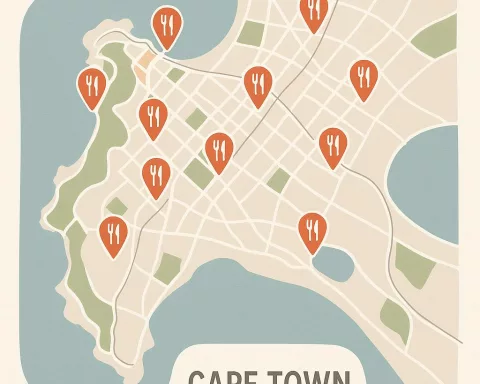

Cape Town has introduced a new cleaning levy to pay for keeping the city’s streets clean and improving infrastructure. While city leaders say it’s fair because wealthier residents pay more, many people and groups argue it’s unfair, possibly illegal, and adds extra financial pressure. A court case is underway, inspired by a similar ruling that struck down a sanitation fee in another city. This debate is about more than money – it’s about fairness, trust, and how cities can grow without hurting their communities. The outcome will shape Cape Town’s future and may influence other South African cities too.
What is Cape Town’s cleaning levy and why is it controversial?
Cape Town’s cleaning levy is a municipal charge aimed at funding urban maintenance and infrastructure upgrades. It’s controversial because opponents argue it may be unlawful, duplicative, and unfairly burdensome, while supporters claim it ensures wealthier residents contribute more to a cleaner, safer city.
Cape Town’s streets bustle with life, commerce, and a constant sense of change. Yet beneath the surface, the city faces a growing dilemma: how to fund the infrastructure and services needed to support its rapidly expanding population. Recent years have seen these pressures intensify, pushing city officials to seek new ways to maintain and upgrade public spaces. With the introduction of a controversial “city cleaning levy,” the city has ignited a passionate debate about who pays for progress – and whether the ends truly justify the means.
The cleaning levy, designed to enhance urban maintenance and fund essential upgrades, has become a flashpoint in the broader struggle over municipal finance. City leaders tout the charge as a progressive step, built around the idea that wealthier citizens should contribute more to the city’s well-being. Opponents, however, see it as an unfair and potentially unlawful addition to their financial burdens. This conflict, echoing far beyond Cape Town’s borders, raises urgent questions about legality, equity, and the evolving social contract in South Africa’s cities.
Cape Town is not unique in facing these challenges. From Johannesburg to Durban, South African cities have long grappled with the legacy of apartheid-era spatial planning, ongoing urbanization, and escalating service delivery demands. The need for sustainable funding is clear. Yet, as cities around the world have learned, even well-intentioned innovations can backfire if they skirt legal frameworks or erode public trust.
The Legal Battle: Civil Society Versus City Hall
Civil rights group AfriForum has quickly emerged as a leading opponent of Cape Town’s cleaning levy. Their legal action draws on a recent precedent set in Tshwane, where a similar charge faced judicial scrutiny and ultimately failed to pass muster. The North Gauteng High Court ruled that Tshwane’s R194-per-month sanitation levy was “invalid and unlawful,” citing violations of both the South African Constitution and the Municipal Systems Act. The court found that city officials had failed to adhere to Section 229(1) of the Constitution, which mandates that any new municipal levy must meet specific legal requirements and transparency standards.
This court victory in Tshwane has energized AfriForum’s efforts in Cape Town. The organization’s legal team argues that the city’s new cleaning levy, implemented on July 1st, may suffer from many of the same legal flaws. Their case centers on the principle that municipal taxes and surcharges must not overlap, must be transparently justified, and must comply with national legislation. For AfriForum and its supporters, the stakes are high: should Cape Town’s levy survive legal scrutiny, it could set a far-reaching precedent for similar charges in other cities.
Other organizations have joined the fray. The South African Property Owners Association (SAPOA) and the Cape Town Collective Ratepayers’ Association (CTCRA) have both lodged formal objections. They argue that the levy functions less as a targeted fee for service and more as a broad revenue-generating tool – effectively amounting to double taxation. Their concerns highlight the risk of undermining the principle that taxes should be levied openly, with full public accountability and legislative backing. If the courts uphold the levy, these groups warn, it could open the floodgates to further municipal charges across the country.
Legal scholars and municipal finance experts have started weighing in, dissecting the interplay between local authority and national law. Section 229(1) of the Constitution clearly empowers municipalities to raise funds, but only within certain boundaries. Any new fee must be properly authorized, non-duplicative, and equitably applied. The North Gauteng High Court’s decision in Tshwane rested not on opposition to city services, but on the failure to follow due process. This distinction now shapes the ongoing debate in Cape Town.
Community Impact: Stories from Cape Town’s Neighborhoods
While legal arguments fill the headlines, the cleaning levy’s effects play out in the lives of ordinary residents. Across Cape Town, people from diverse backgrounds grapple with the realities of rising living costs and the implications of new municipal charges. Their experiences add a vital human dimension to the unfolding debate.
In the leafy suburbs of Rondebosch, property owners have expressed frustration at what they see as an unnecessary and poorly justified levy. Many feel that their existing municipal rates already cover basic cleaning and maintenance, and that the new charge simply adds to their financial strain. One pensioner in Sea Point described her shock at seeing the increased bill, noting that each additional expense makes it harder to balance her monthly budget.
Meanwhile, in neighborhoods like Khayelitsha and Nyanga, small business owners worry about the ripple effects of the levy. For entrepreneurs operating on razor-thin margins, even a modest increase in municipal fees can threaten profitability and job security. Community leaders warn that, unless carefully managed, such policies could unintentionally widen the gap between wealthy and struggling residents. These stories underscore the complexity of designing municipal finance strategies that are both effective and fair.
Despite these challenges, city officials defend the levy as part of a broader “pro-poor budget.” They argue that its progressive structure – which ties the fee to property values – ensures that those who can afford to pay more shoulder a greater share of the costs. The city council has pledged to invest R40 billion over three years in infrastructure improvements, including roads, sanitation, and refuse removal. This, they maintain, will create a cleaner, safer, and more equitable city for all residents.
The Bigger Picture: Urban Finance and the Future of South African Cities
Cape Town’s cleaning levy debate has implications far beyond municipal boundaries. If the courts uphold the charge, other cities may follow suit, layering additional fees onto already complex municipal bills. Critics fear a domino effect, with residents across South Africa facing a growing array of “special levies” that chip away at public trust. SAPOA’s call for judicial review, and CTCRA’s move to participate as an amicus curiae, highlight the national significance of the case.
Globally, cities from Paris to Singapore have experimented with local levies to fund essential services and infrastructure. Some, like New York, have used sanitation charges to maintain cleaner, more livable environments. Others have stumbled when public support faltered or legal safeguards fell short. The challenge lies in balancing innovation with respect for the rule of law, ensuring that new funding models do not compromise transparency or equity.
Within Cape Town, the debate has prompted renewed reflection on the relationship between residents and local government. Effective municipal finance depends not only on generating revenue, but also on maintaining the legitimacy of the process. When citizens perceive charges as arbitrary or duplicative, confidence in the city’s leadership erodes. This threatens the social contract that underpins public investment, neighborhood renewal, and long-term urban vitality.
Urban planners, economists, and political scientists across South Africa – and beyond – now watch Cape Town’s legal battle with keen interest. The outcome will shape not only the funding of infrastructure projects, but also the broader question of how cities balance resourcefulness with fairness. Ultimately, the debate speaks to the heart of what it means to build inclusive, sustainable, and just urban communities.
Amid legal wrangling and policy debates, the work of keeping Cape Town clean goes on. Teams of municipal workers in brightly colored vests sweep streets, empty trash bins, and tend public parks. Their efforts, so often overlooked, make tangible the stakes at play in the city’s financial struggles. The dispute over the cleaning levy may center on law and money, but its real impact unfolds in the daily lives of residents and the health of neighborhoods.
Cape Town now stands at a pivotal moment. The legal outcome will define the scope of municipal authority for years to come, shaping the evolution of urban finance across South Africa. More fundamentally, it will test whether cities can pursue ambitious goals for renewal and justice without overstepping the limits of law or losing the trust of those they serve.
As the case proceeds, all eyes remain on Cape Town – not just for its iconic beauty, but for its role as a laboratory where the future of South African cities is being written, one debate, one policy, and one street at a time.
FAQ: Cape Town’s Cleaning Levy – Urban Renewal or Unlawful Burden?
What is Cape Town’s cleaning levy and why has it been introduced?
Cape Town’s cleaning levy is a municipal charge designed to fund the maintenance of public spaces, street cleaning, and infrastructure upgrades throughout the city. Introduced to address the challenges of urban growth and increasing service demands, the levy aims to generate sustainable revenue to keep the city clean, safe, and well-maintained. City officials argue it is a fair, progressive measure because it ties fees to property values, ensuring wealthier residents contribute more.
Why is the cleaning levy controversial and who opposes it?
The levy is controversial because many residents and organizations believe it is unfair, duplicative, and possibly unlawful. Opponents such as civil rights group AfriForum, the South African Property Owners Association (SAPOA), and the Cape Town Collective Ratepayers’ Association (CTCRA) argue that it adds an extra financial burden and may amount to double taxation since municipal rates already include basic cleaning services. They contend the levy lacks proper legal authorization and transparency, making it potentially invalid under South African law.
What is the legal basis for challenging Cape Town’s cleaning levy?
The legal challenge against the cleaning levy is largely inspired by a precedent set in Tshwane, where the North Gauteng High Court ruled a similar sanitation fee unlawful. The court found that the fee violated Section 229(1) of the South African Constitution and the Municipal Systems Act because it was introduced without meeting necessary legal requirements for municipal levies, including transparency and non-duplication of charges. AfriForum’s legal team argues Cape Town’s levy suffers from the same flaws and must be scrutinized under these constitutional standards.
How does the cleaning levy affect everyday residents and businesses in Cape Town?
For many residents, especially those on fixed incomes like pensioners, the cleaning levy adds financial strain by increasing monthly municipal bills. In wealthier suburbs such as Rondebosch and Sea Point, property owners feel the charge is unjustified since existing municipal rates already cover similar services. Small business owners in economically vulnerable areas like Khayelitsha and Nyanga worry that the levy could threaten their profitability and job security. These impacts highlight concerns about widening socio-economic divides and the need for equitable municipal finance.
What are the potential wider implications of the cleaning levy debate for other South African cities?
If Cape Town’s cleaning levy is upheld by the courts, it could set a precedent encouraging other municipalities across South Africa to introduce similar levies. Critics fear this could lead to a proliferation of special municipal charges, increasing the financial burden on residents and businesses nationwide and eroding public trust in local government. The case thus has national significance, influencing how cities balance innovative funding solutions with legal compliance and social fairness.
How are city officials defending the cleaning levy amid criticism?
City officials maintain that the cleaning levy is part of a “pro-poor budget” aimed at enhancing public infrastructure and services for all residents. They emphasize its progressive structure, linking fees to property values to ensure those with greater means pay more. The city has committed approximately R40 billion over three years to improvements in roads, sanitation, and refuse removal, which officials argue will make Cape Town cleaner, safer, and more equitable. They also stress the importance of sustainable funding to cope with urban growth and rising service demands.
If you want more information on Cape Town’s urban development and municipal finance, feel free to ask!