Cape Town is on a mission to fix its roads, pavements, and water systems to make the city even better for its residents. Since November 2024, teams have been hard at work repairing urgent water issues and upgrading the sidewalks and curbs, showing how much the city cares about keeping the water flowing smoothly. Although there have been some bumps along the way, with delays and frustrations for some locals, Cape Town is focused on getting the job done quickly and effectively. With a big budget of R55 million, the city is determined to improve over 4,000 square meters of streets, blending practicality with a touch of beauty to keep its charm alive. Each completed project is like adding a colorful brushstroke to Cape Town’s vibrant story!
What is Cape Town doing to improve its infrastructure?
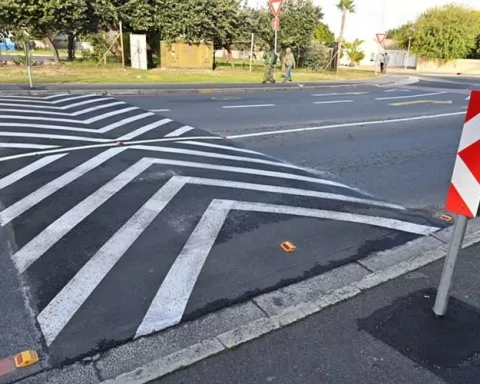
Cape Town is revitalizing its infrastructure through a significant project focused on reinstating pavements, driveways, and road curbs. Launched in November 2024, this initiative addresses urgent water infrastructure repairs, enhancing water supply resilience and ensuring efficient urban renewal across various neighborhoods.
Revitalizing the City’s Lifeblood: Water and Sanitation
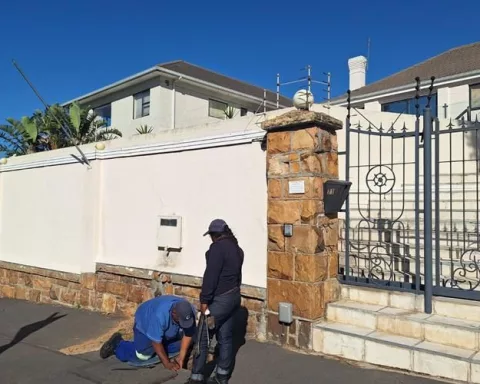
Cape Town, known for its stunning landscape and vibrant urban life, is undergoing a significant transformation to ensure its infrastructure keeps pace with its growing needs. Since November 2024, the Water and Sanitation Directorate has embarked on an ambitious project focused on reinstating pavements, driveways, and road curbs throughout the city. This initiative follows extensive excavations required for urgent water infrastructure repairs, highlighting Cape Town’s dedication to safeguarding its vital water resources.
The necessity of these repairs underscores the city’s proactive approach to maintaining its essential services. By addressing these issues head-on, Cape Town is taking vital steps to prevent potential disruptions in water supply, a lifeline for its residents. This project is more than just a repair initiative; it represents a comprehensive effort to bolster the city’s infrastructure resilience for years to come.
However, these efforts have not come without challenges. The excavation and reinstatement work has caused delays and disruptions, leading to frustrations among residents. To address these concerns, the city has adopted measures to streamline the process and improve efficiency. By engaging external contractors and organizing tasks into batches, Cape Town aims to expedite the work while minimizing inconvenience for its citizens.
Strategic Management and Financial Commitment
Urban infrastructure projects often encounter logistical challenges and delays, but Cape Town is tackling these obstacles head-on with effective strategies. By allocating specific areas of 1,000 square meters to each batch of work, the city maintains focus and organization. This system allows for over 4,000 square meters of streets and pavements to be in various stages of reinstatement at any given time, demonstrating a commitment to methodical and steady progress.
Such structured planning not only showcases the city’s determination but also reflects modern project management principles that prioritize organization and efficiency. This approach mirrors the practices of the industrial revolution, when structured development became pivotal in urban growth. Cape Town’s financial dedication to this cause is substantial, with R55 million allocated for repair and maintenance in the 2024/25 financial year. This significant investment highlights the city’s resolve to overcome the existing backlog and accelerate progress.
Since the project commenced in November, the city has successfully completed 260 reinstatements across numerous neighborhoods, including Strand, Somerset West, and Kuils River. Each area, with its unique characteristics, benefits from these improvements, ensuring that Cape Town remains both charming and functional. The financial infusion is expected to energize the pace of completion, as contractors adapt to the new, efficient systems in place.
Community Engagement and Infrastructure Artistry
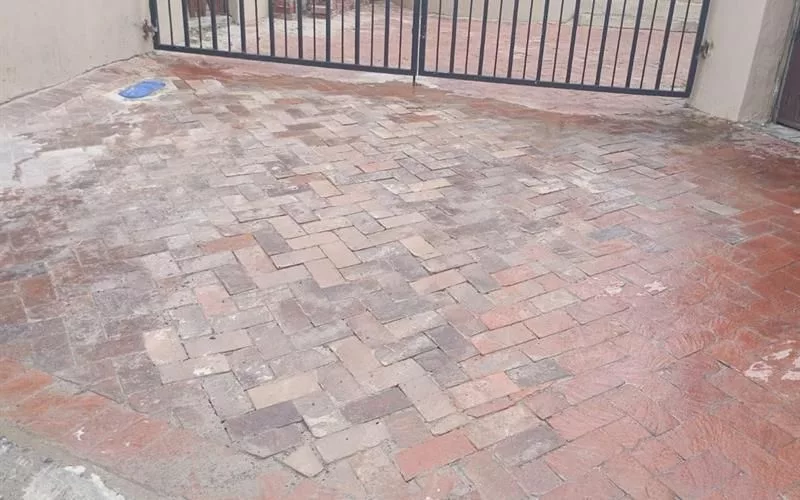
As the city rejuvenates its infrastructure, it prioritizes clear communication with residents about the nature of the work. The reinstatements will use standard materials such as asphalt concrete and clay brick paving to ensure durability and longevity. While custom finishes are not included in the project’s scope, the city emphasizes transparency through its communication channels, fostering a culture of civic engagement and accountability.
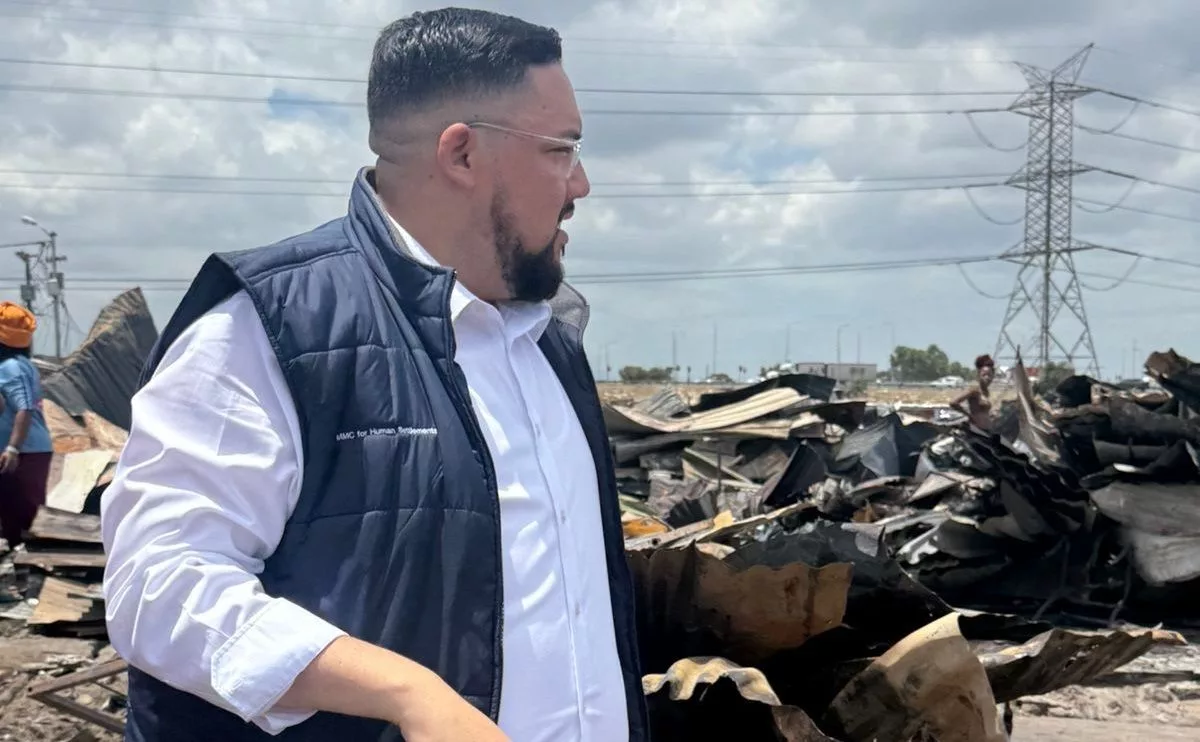
Councillor Zahid Badroodien, the Mayoral Committee Member for Water and Sanitation, plays a crucial role in bridging the city’s efforts with community concerns. His statements reflect a commitment to addressing public grievances while maintaining progress on the project. Contractors, chosen through competitive tenders, operate within the constraints of trench size, complexity, and batch volume, ensuring both speed and quality in their work.
This extensive project invites reflection on the broader implications of infrastructure development in urban spaces. Just as cities require continual renewal to meet the evolving needs of their inhabitants, Cape Town embraces transformation with an eye on both its heritage and future potential. The city’s streets and buildings echo the narratives of past eras, and each revitalization effort becomes a chapter in Cape Town’s ongoing story.
The Broader Implications of Urban Renewal
Cape Town’s initiative parallels artistic movements that redefine perspectives and techniques. Much like the Renaissance or the Impressionist period in art, the city seeks to reimagine its pathways to serve both functional and aesthetic purposes. The careful selection of materials and attention to standards reflect a mindful balance between utility and beauty, giving the project an artistic essence despite its practical nature.
Furthermore, the city’s efforts highlight the importance of community collaboration. Residents, despite occasional inconveniences, are vital partners in the progress. Their patience and understanding significantly contribute to the project’s success, and the city recognizes this partnership by maintaining open communication and prioritizing transparency.
In the grand tapestry of Cape Town, each completed reinstatement is akin to a brushstroke on a canvas. It signifies not only a return to normalcy but also a step towards a more refined urban experience. The city’s commitment to its infrastructure mirrors a broader human pursuit of improvement and resilience. As Cape Town continues this journey, it does so with respect for its rich history and a vision for the future, ensuring that its streets remain as captivating and enduring as the city itself.
In conclusion, Cape Town’s infrastructure project represents a blend of modern efficiency and historical awareness, striving to enhance the city’s functionality while preserving its unique charm. Through strategic planning and community collaboration, the city sets an example of how urban renewal can be both effective and enriching.
“`markdown
FAQ on Cape Town’s Infrastructure Renewal
What is the main goal of Cape Town’s infrastructure improvement project?
Cape Town is focused on revitalizing its infrastructure by repairing roads, pavements, and water systems, which began in November 2024. The project aims to address urgent water issues while enhancing the urban landscape across various neighborhoods.
How much funding has been allocated for this project?
The City of Cape Town has allocated R55 million for the repair and maintenance of infrastructure in the 2024/25 financial year. This significant investment reflects the city’s dedication to tackling existing backlogs and accelerating progress.
What specific areas are being worked on?
The project involves reinstating pavements, driveways, and road curbs in numerous neighborhoods, including Strand, Somerset West, and Kuils River. Over 4,000 square meters of streets are being improved, with multiple areas in various stages of reinstatement at any given time.
How is the city managing the challenges and delays associated with this project?
Cape Town is implementing effective strategies to address delays, such as breaking the work into batches of 1,000 square meters, engaging external contractors, and streamlining processes. This organized approach aims to ensure efficiency and minimize inconveniences for residents.
What materials are being used for the reinstatement?
The city is using standard materials like asphalt concrete and clay brick paving to ensure the durability and longevity of the reinstated pavements and roads. While custom finishes are not part of the project’s scope, Cape Town emphasizes transparency in its communication with residents.
How is the community being engaged in this initiative?
The city prioritizes clear communication with residents about the project’s progress and addresses their concerns. Community collaboration is essential, and the city acknowledges the patience and understanding of locals, fostering a culture of civic engagement throughout the renewal project.
“`