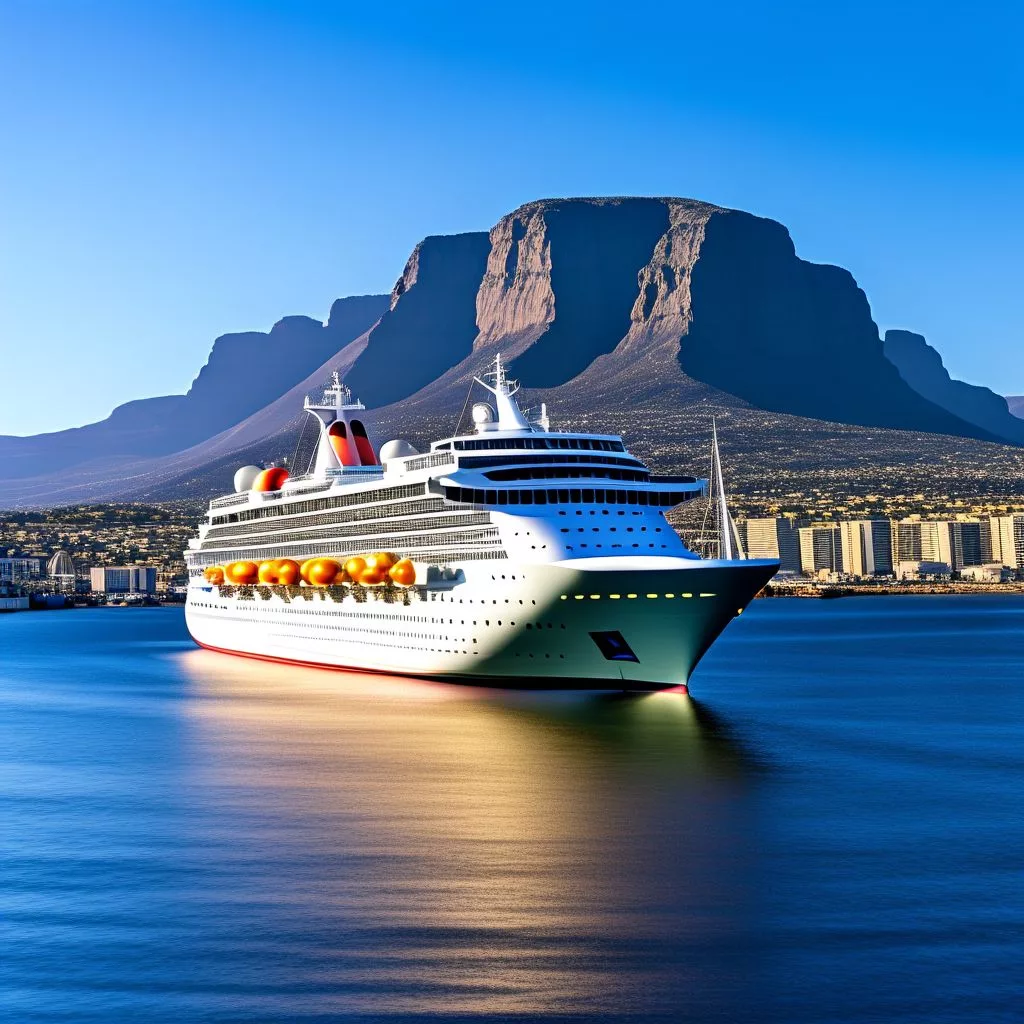
Cape Town is becoming Africa’s top cruise destination thanks to big improvements at its port and a growing number of cruise ships visiting—83 ships are expected in the 2024/25 season alone. The city warmly welcomes travelers with stunning views of Table Mountain, lively markets, and rich culture at the V&A Waterfront. This cruise boom is helping the local economy by creating thousands of jobs and supporting small businesses. Cape Town’s blend of history and modern charm makes every arrival feel like a grand adventure, connecting people from around the world to its vibrant stories and scenic beauty.
Why is Cape Town becoming Africa’s premier cruise destination?
Cape Town’s rise as Africa’s top cruise port is driven by upgraded infrastructure, increased cruise ship arrivals (83 in 2024/25), and strong partnerships. This growth boosts the local economy, creates jobs, and offers visitors rich cultural experiences at the scenic V&A Waterfront and beyond.
Cape Town Ascends: A Season of Milestones
As autumn’s golden hues spill over the slopes of Table Mountain, the 2024/25 cruise season in Cape Town crystallized into a defining moment—one marked by ambition, innovation, and transformation. The city, a crossroads for dreamers and explorers since the Age of Sail, greeted a remarkable 83 cruise ship calls this season. Among them, 11 voyages made their maiden approach, each anchoring not just in the harbor but in the collective imagination of a city determined to claim its place as Africa’s cruise capital. These figures, impressive in their own right, tell a story of vision and resolve.
Such a surge in maritime activity did not unfold by chance. Cape Town’s emergence as a sought-after global cruise destination reflects years of purposeful planning and targeted investment. Authorities and private partners have channeled resources into upgrading infrastructure, enhancing visitor experiences, and nurturing local talent. In March alone, the city achieved a record-breaking 22 ship arrivals—a testament to its growing appeal among leading cruise operators. With every ship docking, the energy rippled outwards: portside cafés buzzed with anticipation, and artisans crowded the [Victoria & Alfred Waterfront ](https://capetown.today/the-va-waterfront-a-destination-for-easter-fun/)with crafts steeped in Cape heritage.
Yet, the narrative of maritime resurgence extends beyond Cape Town’s borders. Mossel Bay, once overshadowed by its cosmopolitan neighbor, is carving out its own niche. The port welcomed 15 ships this season, earning recognition as a vital waypoint along the southern African cruise routes. Set against the Indian Ocean’s dramatic coastline, Mossel Bay epitomizes a broader trend—the decentralization of coastal tourism and the rise of intimate, authentic destinations. These emerging hubs offer more than convenience; they serve as gateways to the region’s history, culture, and natural wonders.
Collaboration and Economic Impact: The Cruise Economy’s Ripple Effect
Wrenelle Stander, CEO of Wesgro, views these milestones through a transformative lens. She regards every cruise ship arrival as a tangible step toward the Western Cape’s bold ambition: doubling tourism by 2035. To her, the Cruise Cape Town initiative is much more than a project—it’s a catalyst sparking widespread regional benefits. The ripple effect from the cruise sector invigorates the entire local economy, reaching from the bustling docks to the tranquil vineyards beyond the city. Tour operators, once on the periphery of global tourism, now find themselves at the heart of the action. Artisans and local entrepreneurs, who once sold their wares to the occasional visitor, now thrive amid crowds of eager newcomers.
The economic dividends speak volumes. During the 2023/24 season, cruise tourism injected R1.32 billion into the local economy. This significant inflow supported approximately 2,000 jobs—from port staff and tour guides to restaurateurs and shuttle operators. While the stately arrival of the Queen Anne in April stood out as a visual spectacle, the real triumph lay in the cumulative uplift—every job created, every business buoyed, each new opportunity woven into the city’s broader economic tapestry.
This surge in activity comes with a marked increase in visitor numbers. The cruise terminal experienced a 16% rise in passengers and crew compared to the previous season, underscoring Cape Town’s growing stature as a maritime hub. David Green, CEO of the V&A Waterfront—the terminal’s operator—views each inaugural ship visit as an opportunity to cultivate new partnerships. He emphasizes how Cape Town’s world-class facilities, paired with its magnificent scenery and vibrant culture, place it firmly on the must-visit list for cruise travelers worldwide. Strolling along the bustling quay, visitors encounter a unique blend of Victorian architecture and cosmopolitan flair, capturing the essence of a city straddling past and future.
Heritage Meets Modernity: Cape Town’s Enduring Magnetism
Cape Town’s allure is deeply rooted in its history as a maritime gateway. For centuries, the port linked continents and cultures, serving as a vital node along trade routes connecting Europe, Asia, and Africa. Today’s cruise terminal, with its sleek design and efficient services, pays homage to this legacy while embracing modernity. Here, remnants of Victorian heritage sit comfortably alongside state-of-the-art amenities, creating a palpable sense of continuity and progress.
The Queen Anne’s debut in April encapsulated this spirit. As passengers gazed from her decks across a cityscape where sea, mountain, and sky converge, they participated in a tradition forged over centuries. The event followed last year’s historic double-berthing of Cunard’s Queen Mary 2 and Queen Victoria—an occasion that evoked memories of the grand ocean liners of the late 19th century and signaled a new era of African maritime resurgence. For locals and visitors alike, these majestic ships serve as reminders of Cape Town’s enduring role as a meeting point for adventurers, traders, and dreamers.
Cape Town’s transformation into a world-class cruise destination is not merely about numbers or infrastructure. It’s about how the city welcomes the world—through music, cuisine, and storytelling. Passengers disembark into an immersive tapestry of sensory delights: the aroma of coffee roasting drifts across the docks, street musicians fill the air with marimba rhythms, and tour guides spin compelling narratives of struggle, resilience, and hope. These moments invite visitors to experience Cape Town as a living, breathing story—not just a scenic backdrop.
Vision, Partnerships, and the Road Ahead
The cruise industry’s revival in Cape Town aligns closely with broader economic and social objectives. Dr. Ivan Meyer, the Western Cape’s Minister of Agriculture, Economic Development, and Tourism, recognizes cruise tourism as a dynamic engine for job creation. He notes how the sector dovetails seamlessly with the province’s Growth for Jobs Strategy, ensuring that prosperity reaches marginalized workers and small-scale entrepreneurs. Meyer’s approach echoes the principles of the Arts and Crafts Movement, where economic growth is measured not solely by profits but by its power to uplift entire communities.
The city’s collaborative approach has underpinned much of its success. Alderman James Vos, Cape Town’s Mayco member for Economic Growth, highlights how government, business, and civil society have partnered to blend ambition with pragmatic action. This synergy, reminiscent of the Bauhaus movement’s fusion of artistry and functionality, has produced a cruise terminal that stands among the world’s best—efficient, welcoming, and architecturally striking.
Yet, numbers only tell part of the story. Cape Town’s magic lies in the everyday enchantment it offers. Few vistas can rival the panoramic sweep from Signal Hill to Robben Island, and every arrival brings new opportunities for cultural exchange. The city’s streets pulse with life: the melody of languages, the vibrancy of its people, and the interplay of history and innovation. Each cruise ship that docks becomes a floating ambassador, weaving connections between distant shores and carrying Cape Town’s spirit out across the seas.
Looking Forward: A City Poised for Global Recognition
The 2024/25 cruise season unfolded amidst global uncertainty, yet Cape Town has demonstrated the resilience that defines history’s great port cities. Like Venice during the Renaissance or Hamburg at the height of the Hanseatic League, Cape Town flourishes by opening its arms to the world. Each new arrival brings not just tourists but fresh perspectives, new stories, and untapped opportunities. The city’s cultural mosaic—shaped by Portuguese, Dutch, British, Xhosa, and Malay influences—forms a vibrant backdrop against some of Africa’s most breathtaking sunsets.
Transformation stories abound, from the colorful lanes of Bo-Kaap to the rolling vineyards beyond the city. Local guides share tales of freedom, identity, and renewal, connecting the Cape’s storied past with its dynamic present. In the surrounding winelands, each bottle tells a story of climate, terroir, and skilled hands. This synergy—between city and hinterland, land and sea—forms the foundation of Cape Town’s unique appeal.
As the horizon beckons, the city prepares for even greater arrivals, both literal and metaphorical. Cape Town’s evolution from a mere stopover to a world-stage destination stands as a testament to vision, partnership, and the indomitable power of place. The journey continues, fueled by a spirit of welcome, a commitment to growth, and a passion for sharing the city’s many stories with the world.
What makes Cape Town Africa’s premier cruise destination?
Cape Town has become Africa’s top cruise port due to significant upgrades in port infrastructure, strategic partnerships, and a surge in cruise ship visits—83 ships are expected in the 2024/25 season alone. Its stunning natural scenery, including views of Table Mountain, combined with vibrant cultural experiences at the V&A Waterfront, create a unique and welcoming environment for cruise travelers. These factors, along with excellent facilities and efficient services, position Cape Town as a leading global cruise hub.
How does the cruise industry impact Cape Town’s local economy?
The cruise boom in Cape Town significantly boosts the local economy by injecting billions of rand annually and supporting around 2,000 jobs. This impact extends beyond port staff to tour guides, restaurateurs, artisans, and shuttle operators. The increased visitor numbers help small businesses thrive, revitalizing communities and creating new opportunities in sectors linked to tourism, hospitality, and local crafts.
What can visitors expect when they arrive in Cape Town by cruise ship?
Visitors disembarking in Cape Town are greeted by a rich sensory tapestry: breathtaking views of Table Mountain and Robben Island, bustling markets, street musicians playing traditional music, and a vibrant cultural scene. The V&A Waterfront offers a mix of Victorian architecture and modern amenities, with shops, restaurants, and artisan stalls showcasing Cape heritage. Guests can explore historic neighborhoods like Bo-Kaap or venture further to scenic winelands, making every visit an immersive blend of history, nature, and local flavor.
How has Cape Town prepared its port to handle increased cruise ship traffic?
Cape Town’s port has undergone targeted investments to upgrade infrastructure, enhance passenger facilities, and improve logistics to manage a growing number of cruise ship arrivals efficiently. The cruise terminal is designed to accommodate large vessels while providing a seamless experience for passengers and crew. This includes modern docking facilities, streamlined customs and immigration services, and expanded visitor amenities to support both the ships and the influx of tourists.
What role do partnerships play in Cape Town’s cruise industry growth?
The success of Cape Town’s cruise renaissance is rooted in strong collaboration between government bodies, private sector partners, and civil society. Initiatives like Cruise Cape Town bring together stakeholders to coordinate investments, marketing, and community engagement. This cooperative approach ensures sustainable growth, aligning with broader regional development goals like job creation and economic inclusivity, and helps Cape Town maintain its competitive edge as a cruise destination.
Are there other cruise destinations emerging in the Western Cape region?
Yes, alongside Cape Town’s rise, ports like Mossel Bay are gaining recognition as important cruise destinations. Mossel Bay welcomed 15 cruise ships this season, offering more intimate and authentic experiences along the southern African coastline. These emerging hubs complement Cape Town by decentralizing tourism and providing visitors with diverse options to explore the region’s rich history, culture, and natural beauty.