Cape Town’s new Safe Space shelter in the Durbanville region is a symbol of hope for the homeless community. The shelter offers job opportunities, personal development planning, and referrals for healthcare treatments, promoting individual growth and independence. The model comprises a dignified shelter, two daily meals, and an on-site social worker’s availability. The Durbanville Safe Space complements the existing infrastructure, extending support outside the Safe Space, and signifies a substantial leap towards a more inclusive city.
Cape Town’s new Safe Space shelter in the Durbanville region is a symbol of hope for the city’s homeless community. The shelter offers more than just a roof overhead; it provides job opportunities, personal development planning, and referrals for mental health, medical, and substance abuse treatments. The Safe Space model comprises a dignified shelter, two daily meals, and an on-site social worker’s availability, ensuring all-round care for its recipients. Cape Town’s dedication to societal evolution and respect for human dignity is evident through its various initiatives for the homeless.
A Community Upliftment Step
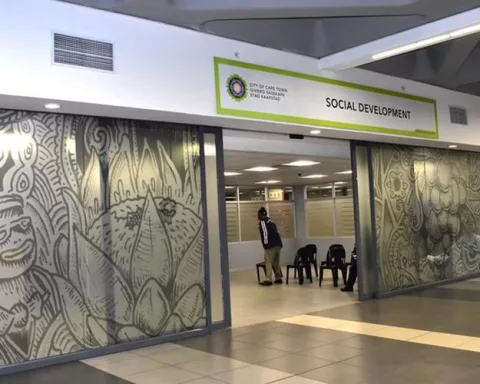
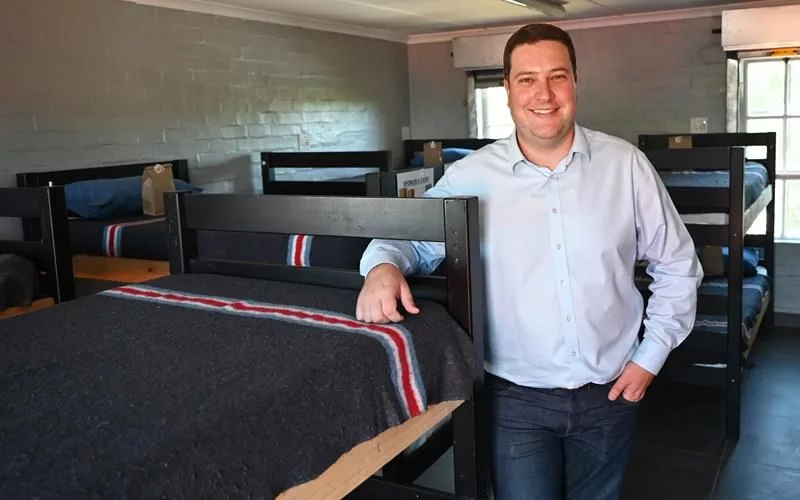
In a vivid portrayal of empathy and communal elevation, Geordin Hill-Lewis, Cape Town’s Mayor, introduced a new Safe Space shelter on 3rd April 2024. This project, targeting the enhancement of the city’s homeless community’s livelihood, is tactically positioned at the Public Transport Interchange in the Durbanville region.
Mayor Hill-Lewis was accompanied by Councillor Patricia van der Ross, the Member of the Mayoral Committee for Community Services and Health, at the inauguration. Together, they embodied the city’s unwavering dedication towards societal evolution and respect for human dignity.
Strengthening the Current Infrastructure
The Durbanville Safe Space enhances the existing infrastructure by complementing the 220-bed facility in Bellville with an additional 40 beds. While the numbers may seem trivial against the city’s homeless count, it indeed signifies a substantial leap towards a more inclusive city, acknowledging the city’s obligation towards its less privileged communities.
More Than Just a Roof Overhead
The Safe Spaces managed by the city offer more than just shelter; they embody a comprehensive vision of societal support aiming at sustainable reintegration of homeless individuals into the community. Along with the basic necessities, Safe Spaces also create job opportunities, plan personal development, and provide referrals for mental health, medical, and substance abuse treatments.
This wide range of services promotes individual growth and independence, aiding a shift from life on the streets to a more stable and rewarding existence. Mayor Hill-Lewis passionately upholds this vision, emphasizing that availing social aid is a choice for dignity, health, and overall well-being.
Extending Support Outside the Safe Space
Cape Town’s support for the homeless extends beyond the Safe Spaces. The city has recently contributed to a 63% increase in bed capacity at the Haven Night Shelter in the CBD, enhancing the facility from 96 to 156 beds with a R500,000 financial contribution.
Additionally, the City has facilitated NGOs to include 300 more temporary bed spaces to cater to increased shelter demand during the past winter. This support encompassed the deployment of 184 Expanded Public Works Programme (EPWP) workers to assist non-profit organizations.
The Achievements So Far
Councillor van der Ross highlights the tangible impact of these initiatives, presenting impressive data. The City assists around 3,500 people annually to transition from the streets to improved living conditions, offering shelter placements, family reunions, referrals to social services and contractual job opportunities through the EPWP initiative.
Furthermore, the city’s substance abuse programme, based on the proven Matrix® model, holds an impressive 83% success rate, tackling a primary reason for many individuals ending up on the streets.
The Safe Space Model
The model embraced by the City ensures all-round care for its recipients. It comprises a dignified shelter, two daily meals, and an on-site social worker’s availability. Personal development planning, assistance with ID books and social grants, family reunification services, access to substance and alcohol abuse treatment, skills training, and job search support also form part of this all-inclusive model.
In essence, the Durbanville Safe Space, akin to the city’s other initiatives for the homeless, signifies a ray of hope and a testament to the city’s dedication to societal evolution. It’s not just about providing a solution to homelessness but about envisioning a city where every inhabitant feels acknowledged, listened to, and cherished.
What services does the Durbanville Safe Space offer?
The Durbanville Safe Space offers more than just a roof overhead; it provides job opportunities, personal development planning, and referrals for mental health, medical, and substance abuse treatments. The Safe Space model comprises a dignified shelter, two daily meals, and an on-site social worker’s availability, ensuring all-round care for its recipients.
How does the Durbanville Safe Space complement the existing infrastructure?
The Durbanville Safe Space enhances the existing infrastructure by complementing the 220-bed facility in Bellville with an additional 40 beds. While the numbers may seem trivial against the city’s homeless count, it indeed signifies a substantial leap towards a more inclusive city, acknowledging the city’s obligation towards its less privileged communities.
What other initiatives has Cape Town taken to support the homeless?
Cape Town’s support for the homeless extends beyond the Safe Spaces. The city has recently contributed to a 63% increase in bed capacity at the Haven Night Shelter in the CBD, enhancing the facility from 96 to 156 beds with a R500,000 financial contribution. Additionally, the City has facilitated NGOs to include 300 more temporary bed spaces to cater to increased shelter demand during the past winter.
What is the Safe Space model?
The Safe Space model embraced by the City ensures all-round care for its recipients. It comprises a dignified shelter, two daily meals, and an on-site social worker’s availability. Personal development planning, assistance with ID books and social grants, family reunification services, access to substance and alcohol abuse treatment, skills training, and job search support also form part of this all-inclusive model.
What is the tangible impact of Cape Town’s initiatives for the homeless?
The City assists around 3,500 people annually to transition from the streets to improved living conditions, offering shelter placements, family reunions, referrals to social services, and contractual job opportunities through the EPWP initiative. Furthermore, the city’s substance abuse programme, based on the proven Matrix® model, holds an impressive 83% success rate, tackling a primary reason for many individuals ending up on the streets.
Who introduced the new Safe Space shelter in Durbanville, and when?
Geordin Hill-Lewis, Cape Town’s Mayor, introduced a new Safe Space shelter on 3rd April 2024. This project, targeting the enhancement of the city’s homeless community’s livelihood, is tactically positioned at the Public Transport Interchange in the Durbanville region. He was accompanied by Councillor Patricia van der Ross, the Member of the Mayoral Committee for Community Services and Health, at the inauguration.