
Cape Town’s holiday season was a great success, with an influx of visitors and a strong revival of the city’s tourism industry. The city deployed over 4,000 personnel and maintained a comprehensive safety plan to ensure the safety of residents and tourists. Despite some unfortunate incidents, the city’s safety initiatives played a vital role in a prosperous festive period. The city’s economic growth is propelled by various destination marketing campaigns and city-to-city connectivity initiatives, promising a bright future for Cape Town and its inhabitants.
How did Cape Town ensure safety during its holiday season?
Cape Town deployed over 4,000 personnel, carried out mountain patrols, maintained road safety presence, and kept beaches and recreational vleis accessible during the season. The city’s Holiday Season Policing Plan featured vehicle inspections, CCTV monitoring, and a volunteer contribution from various departments. Despite some incidents, Cape Town’s safety strategies played a vital aspect in ensuring a successful festive period.
Dubbed as one of the jewels of South Africa, Cape Town recently attracted an extraordinary wave of tourists during its holiday season, drawn by its unspoiled beaches and fascinating attractions. The city’s mayor, Geordin Hill-Lewis, lauded the impressive safety strategies that played a part in this triumph. This narrative explores the city’s exhaustive security measures and its burgeoning tourism industry, celebrating Cape Town’s victorious holiday season.
Ensuring Safety: The City’s Comprehensive Measures
Mayor Hill-Lewis, accompanied by his team of Aldermen and Mayoral Committee Members, recently made a trip to Camps Bay beach to monitor the city’s ongoing safety projects. These encompassed law enforcement, lifeguard activities, and Identikidz operations, manifesting Cape Town’s dedication to offering a safe and pleasant experience for both residents and tourists.
The city’s holiday season was notably lively this year, with a remarkable influx of visitors still being observed. Cape Town airport is currently accommodating a daily transit of over 31,000 passengers, indicating a sturdy revival in Cape Town’s tourism industry. This recovery isn’t just a milestone to applaud, but also a key contributor to Cape Town’s economic growth, producing job possibilities for the city’s inhabitants.
Security and Vigilance: The Key to a Successful Season
The city’s efficient safety strategies were a vital aspect of this prosperous festive period. An unparalleled safety deployment of over 4,000 personnel was positioned throughout Cape Town, carrying out mountain patrols and maintaining a road safety presence to ensure the well-being of residents and tourists. The city’s beaches were kept pristine and fully accessible during the season, with no reported closures. Recreational vleis, too, stayed open for public recreation.
The city’s Holiday Season Policing Plan further enhanced these safety initiatives, featuring vehicle inspections at key routes to beaches, technologically sophisticated monitoring through CCTV and drones, and a substantial volunteer contribution from various departments. Hundreds of arrests and seizures were part of daily law enforcement efforts, including the seizure of four firearms on New Year’s Day.
Alderman Smith also underscored their impressive reaction to the wildfires in the South Peninsula and several structural fires during the festive season, displaying the city’s readiness and pledge to public safety.
Despite these rigorous measures, the city had to confront some unfortunate incidents. Councillor Patricia Van der Ross expressed remorse over the nine fatal drownings since the beginning of December. These events happened at unauthorized swimming spots or outside lifeguard duty hours, highlighting the crucial role of public collaboration in safeguarding safety at recreational venues.
Tourism Sector: Economic Growth and Future Prospects
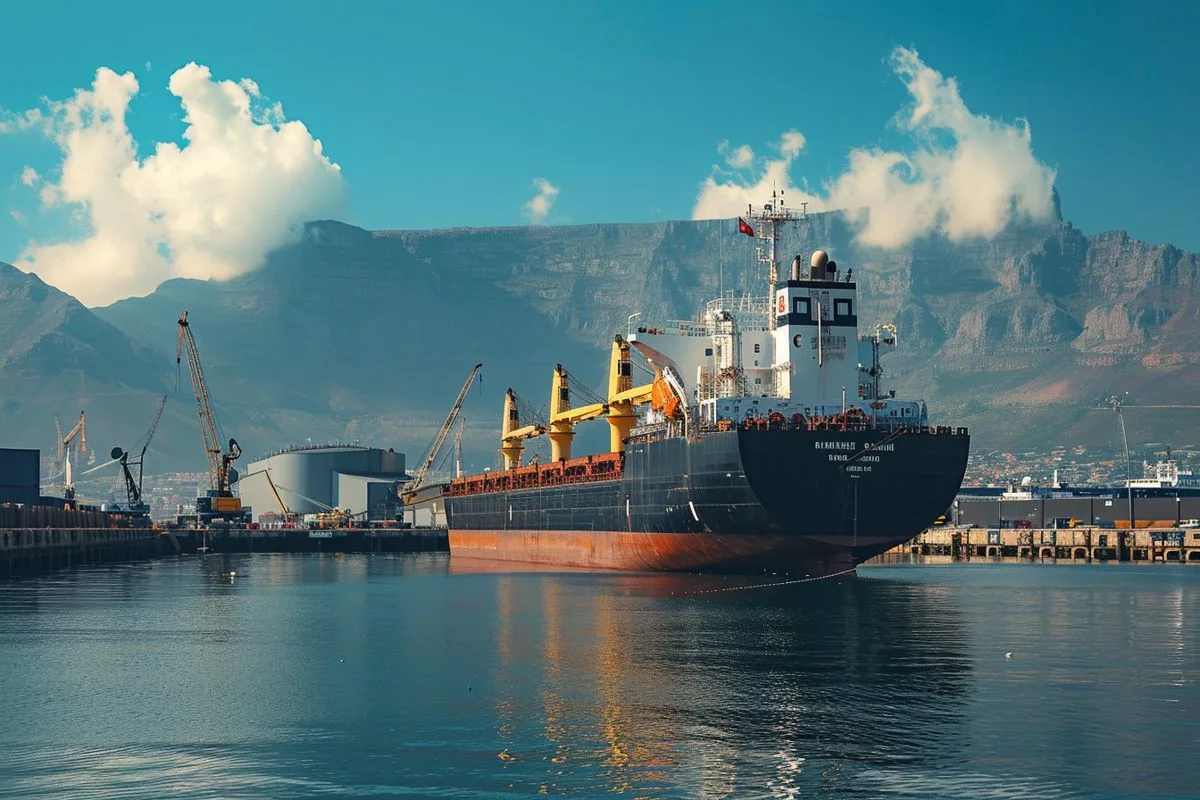
As a reflection on the city’s economic progression, Alderman James Vos signaled early signs of a considerable tourism comeback for Cape Town. The 2023/2024 festive season witnessed approximately 215 international flights landing weekly since the beginning of summer. Also, 50 cruise ships have been booked for the season, suggesting significant economic advantages.
Alderman Vos also disclosed that numerous conference venues have been secured until the end of 2024. This predicts a prosperous year ahead for the tourism industry, benefiting hotels and attractions alike. The city’s success is propelled by various destination marketing campaigns and city-to-city connectivity initiatives, demonstrating Cape Town’s active strategy towards enhancing its tourism industry.
In conclusion, Cape Town’s triumphant festive season was the result of thoroughly designed and implemented safety strategies, along with the city’s intrinsic charm as a tourist destination. The city’s emphasis on both safety and economic growth has contributed to its thriving tourism sector, promising a promising future for Cape Town and its inhabitants.
1. How did Cape Town ensure safety during its holiday season?
Cape Town deployed over 4,000 personnel, carried out mountain patrols, maintained road safety presence, and kept beaches and recreational vleis accessible during the season. The city’s Holiday Season Policing Plan featured vehicle inspections, CCTV monitoring, and a volunteer contribution from various departments.
2. What were the economic advantages of Cape Town’s successful holiday season?
The 2023/2024 festive season witnessed approximately 215 international flights landing weekly since the beginning of summer. Also, 50 cruise ships have been booked for the season, suggesting significant economic advantages. Numerous conference venues have also been secured until the end of 2024, predicting a prosperous year ahead for the tourism industry.
3. Who monitored Cape Town’s safety projects?
Mayor Hill-Lewis, accompanied by his team of Aldermen and Mayoral Committee Members, recently made a trip to Camps Bay beach to monitor the city’s ongoing safety projects.
4. Were there any unfortunate incidents during Cape Town’s holiday season?
The city had to confront some unfortunate incidents, including nine fatal drownings since the beginning of December. These events happened at unauthorized swimming spots or outside lifeguard duty hours, highlighting the crucial role of public collaboration in safeguarding safety at recreational venues.
5. What initiatives propelled Cape Town’s economic growth?
The city’s success is propelled by various destination marketing campaigns and city-to-city connectivity initiatives, demonstrating Cape Town’s active strategy towards enhancing its tourism industry.
6. How did Cape Town react to the wildfires in the South Peninsula during the festive season?
Alderman Smith underscored their impressive reaction to the wildfires in the South Peninsula and several structural fires during the festive season, displaying the city’s readiness and pledge to public safety.