
Cape Town’s Innovative Energy Strategy: Striving Towards a Sustainable, Loadshedding-Free Future

1 min read
sustainable energy loadshedding

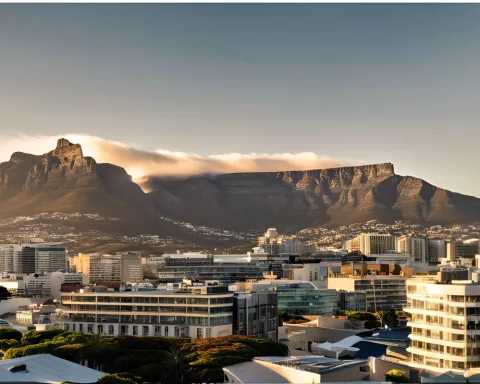
The City of Cape Town has called on its residents and other stakeholders to review its ambitious draft Energy Strategy before the deadline for public comments on 31 July 2023. The strategy outlines the City’s commitment to ending loadshedding, reducing energy poverty, and optimizing energy use.

Councillor Beverley van Reenen, the City’s Mayoral Committee Member for Energy, highlights the importance of the strategy’s three key commitments, which will be achieved through the development of a future-ready municipal electricity service, proactive infrastructure upgrades, and assistance for residents with the evolving energy market.

Newsletter

Stay Informed • Cape Town

Get breaking news, events, and local stories delivered to your inbox daily. All the news that matters in under 5 minutes.

Join 10,000+ readers
No spam, unsubscribe anytime

A Comprehensive Roadmap for a Clean Energy Future

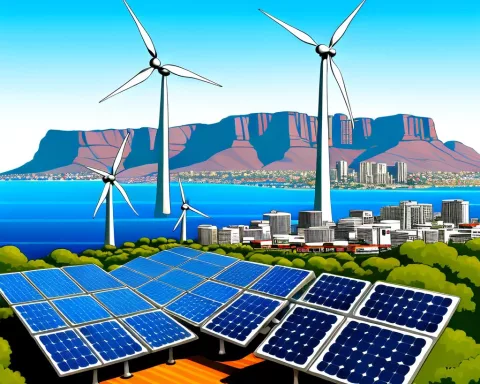
Cape Town’s draft Energy Strategy offers a comprehensive roadmap for navigating the rapidly changing energy landscape by fostering collaboration between businesses, residents, investors, and the City. The plan envisions a future Cape Town powered by a cleaner, more affordable energy mix, significantly decreasing dependence on Eskom, South Africa’s public utility.

The City aims to add up to one gigawatt of independent power supply to permanently eliminate loadshedding. The initial 650 MW of this capacity is expected to be operational within the next five years, providing enough buffer to protect the city from up to four stages of Eskom loadshedding by 2026.

Diversified Energy Mix for a Resilient Energy Landscape

The diversified energy supply mix under consideration includes several components, such as Embedded Independent Power Producers (IPPs) for renewable energy (200 MW), Dispatchable energy (up to 500 MW), Wheeling (up to 350 MW), Private Small-Scale Embedded Generation (up to 100 MW), and City-owned Small-Scale Embedded Generation (up to 20 MW).

Through these diversified and sustainable energy sources, the City of Cape Town aims to create a more resilient and future-proof energy landscape for its residents, reducing the impact of Eskom loadshedding.

Aiming for a Sustainable and Resilient Energy Future

Cape Town’s draft Energy Strategy offers a promising vision for the city, blending innovation, collaboration, and sustainable practices to safeguard Cape Town’s energy future. The city is encouraging all stakeholders to participate in the process and contribute to a sustainable and resilient plan.

The next twelve days offer a critical opportunity for stakeholders to have their voices heard and contribute to shaping a robust and sustainable energy plan for Cape Town. By working together, the city hopes to craft a strategy that benefits all and propels Cape Town towards a cleaner, more efficient, and loadshedding-free future.
Emma Botha is a Cape Town-based journalist who chronicles the city’s shifting social-justice landscape for the Mail & Guardian, tracing stories from Parliament floor to Khayelitsha kitchen tables. Born and raised on the slopes of Devil’s Peak, she still hikes Lion’s Head before deadline days to remind herself why the mountain and the Mother City will always be her compass.

Leave a Reply

Your email address will not be published.

Previous Story

Bill Gates Reflects on Nelson Mandela’s Legacy on Mandela Day

Next Story

South Africa has made a significant step towards inclusion and empowerment of citizens with disabilities by declaring sign language as its 12th official language. This milestone decision aims to promote equality, dignity, and social inclusion for the hearing-impaired population.

Latest from Blog

Forty Metres of Air: The Morning Kiteboarding Rewrote Physics

Hugo Wigglesworth, a young kiteboarder, defied gravity and rewrote the record books by soaring an incredible 40 meters into the air. He used powerful winds, a perfectly timed jump off a wave, and special gear to achieve this amazing feat. His careful planning and hundreds of practice runs made him fly higher than anyone before, showing the world what’s possible in kiteboarding.

Airbnb Under Fire: How Cape Town’s Housing Crunch Became a Tourism Blame-Game

Cape Town’s housing woes are NOT really Airbnb’s fault, even though a viral photo tried to blame them! The real problem is that not enough homes are being built, and lots of new people are moving to the city. Getting building permits takes forever, making homes expensive. Airbnb brings in lots of money and jobs, and even if all Airbnbs disappeared, it wouldn’t fix the big housing shortage. The city needs to build more homes and make it easier to do so, not just point fingers at tourists.

Cape Town’s Hottest Tables: Where Summer Tastes Like Salt, Smoke and Midnight Vinyl

Cape Town’s new restaurants are super exciting, offering amazing tastes from the ocean, farms, and even old recipes. Places like Amura serve unique sea dishes, while Tannin has a huge wine list and tiny plates. Café Sofi bakes heavenly pastries, Beach Buns makes awesome burgers, and Le Bistrot de JAN mixes French and South African flavors. These spots let you taste the city’s lively food scene, from fancy dinners to casual beach eats, making every meal an adventure.

Between Concrete and Current – Four Inland Hearts Meet the Indian Ocean

This article tells a beautiful story of four South Africans from inland places who see the Indian Ocean for the very first time. For many, the sea is just a picture, far away and hard to reach. But when these brave people finally touch the salty water, it changes them deeply. They feel the ocean’s power, taste its salt, and understand that this huge, blue world is now a part of their own story, breaking down old ideas about who can connect with the sea.