Bracing for Nature’s Fury
Cape Town, a stunning city celebrated for its awe-inspiring landscapes and rich history, recently found itself at the mercy of a ferocious storm that swept across the region. Mayor Geordin Hill-Lewis was compelled to sign a Major Incident Declaration, mobilizing much-needed resources and relief efforts to counter the disastrous consequences of this unanticipated catastrophe.
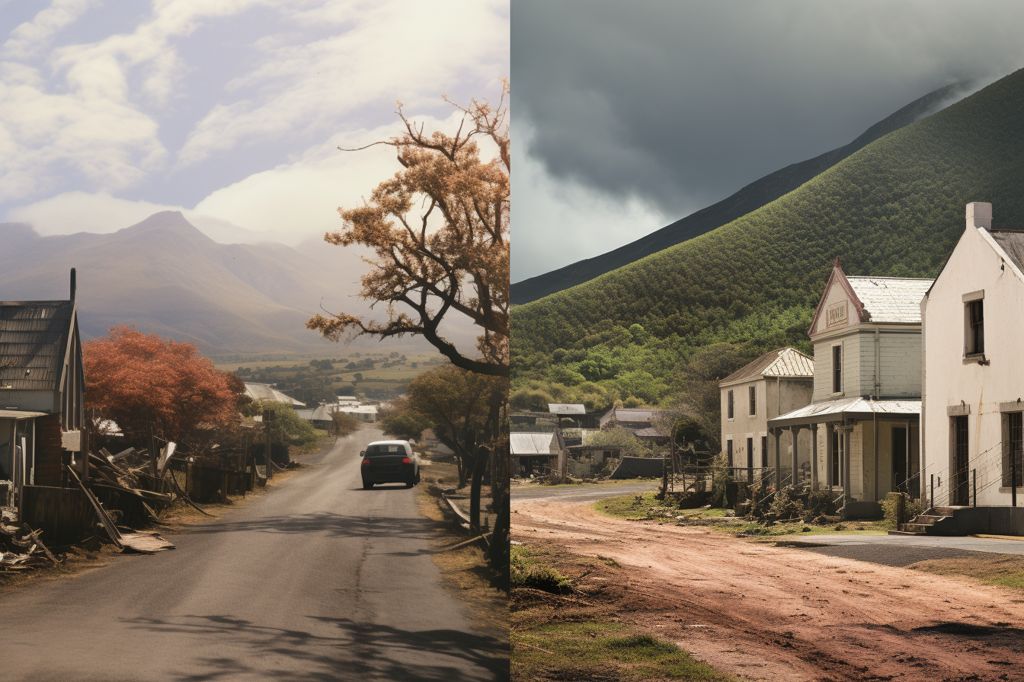
The tempest raged over the weekend, leaving a path of devastation behind. Widespread flooding, mudslides, rockfalls, and toppled trees wreaked havoc on the streets and communities, causing extensive damage to buildings, infrastructure, and disrupting vital services. The storm’s lethal force claimed at least eight lives, a somber reminder of nature’s relentless power.
Among the areas most affected were the Helderberg region, encompassing Sir Lowry’s Pass Village, Sandvlei Macassar, Strand, Somerset-West, and Gordon’s Bay. The scenic Sir Lowry’s Pass Village, in particular, experienced the crushing impact of widespread mudslides.
Resilience in the Face of Adversity
Despite the challenges posed by this calamity, the determined citizens of Cape Town and its local government have risen to the challenge, taking crucial steps towards recovery. Significant efforts are being made to offer humanitarian aid, repair damaged infrastructure, and restore the impacted areas.
Mayor Hill-Lewis, deeply troubled by the escalating crisis, visited the distressed Sir Lowry’s Pass Village and Rasta Kamp to evaluate the destruction. His on-site assessment informed the crucial decision to sign the Major Incident Declaration, subsequently bolstering the city’s response to the disaster.
Expressing his sincere condolences to the families who lost loved ones in this tragedy, Mayor Hill-Lewis said, “May we keep these families in our prayers and thoughts.” His words embody the resilient spirit of the city as it grieves the loss of its citizens while working tirelessly to recover from the storm’s aftermath.
The city officials’ unwavering efforts during this crisis warrant special appreciation. Working around the clock, they have demonstrated a steadfast commitment to supporting the affected residents during these trying times.
United in Solidarity
The people of Cape Town have also stepped up to the challenge, joining forces in solidarity. In a tribute to the city’s strong sense of community, numerous individuals and organizations have graciously contributed food, clothing, and other necessities to those most in need. This collective response showcases the unyielding determination of Cape Town’s residents to triumph over this disaster.
Recognizing the gravity of the situation, the South African Social Security Agency (SASSA) has been summoned to provide indispensable social assistance and relief. This support will undoubtedly reinforce the ongoing efforts to reestablish normalcy and mend the wounds inflicted by the storm.
In the face of nature’s wrath, Cape Town’s response to this catastrophe has been nothing short of inspiring. The city’s collective resilience, combined with prompt action from its local government, highlights its ability to confront adversity head-on. The Major Incident Declaration and subsequent relief initiatives signify the first step in a lengthy road to recovery.
As Cape Town gradually rebuilds and emerges from the storm’s aftermath, the indomitable spirit of its people will undoubtedly prevail. The city’s unwavering dedication to its citizens, together with the backing of the broader community, will ensure that Cape Town remains a symbol of hope amidst the turmoil of nature’s wrath.