
Cape Town is urging its citizens to conserve water as summer approaches, calling for prompt fixing of leaks, compliance with regulations, and thoughtful water use. The city aims to keep water consumption below 950 million liters per day and promote communal responsibility for year-round commitment to responsible water usage. The city is also working on its New Water Programme to incorporate an additional 300 million liters of water per day into the system by 2030, with initiatives such as leak detection, pipe replacement, and pressure management.
Conserving Water As Summer Approaches
Cape Town urges its residents and businesses to conserve water as summer approaches. The city calls for prompt fixing of water leaks, compliance with water use regulations, and thoughtful water use in outdoor activities. The goal is to keep water consumption below 950 million liters per day, promote communal responsibility and year-round commitment to responsible water usage. The city is forging ahead with its long-term New Water Programme, aimed at incorporating an additional 300 million liters of water per day into the system by 2030.
Conserving Water As Summer Approaches
The cherished metropolis of Cape Town urges its residents and business establishments to be mindful of their water consumption as the warmer months draw near. Water, as we all are aware, is an invaluable resource that demands our serious attention and preservation efforts.
The city’s administration calls upon its citizens to promptly fix water leaks, comply with water use regulations, and thoughtfully use water in outdoor activities. The city’s Water and Sanitation Department diligently supervises water usage and the amount of water in the dams throughout the year, regardless of the changes in seasons or the conditions of the dams.
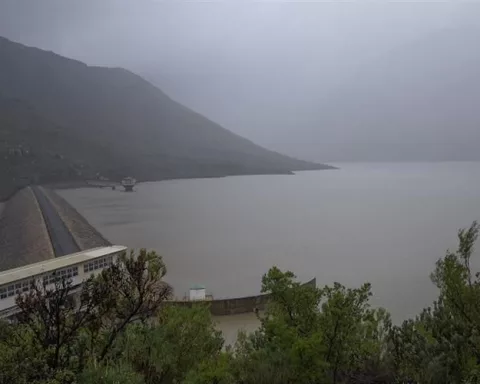
At this time, the dams are roughly 93.1% full, which may create a misleading feeling of relief regarding water supplies. Nonetheless, it’s essential to remember that conserving water should always be a top concern.
The Importance of Consistent Water Conservation
In order to consistently foster this mindset, the city establishes forward-thinking water-saving goals for the period leading up to the subsequent rainy season. The purpose of this initiative is to promote communal responsibility in keeping water consumption below 950 million liters per day.
Zahid Badroodien, the city’s councillor and Mayoral Committee Member for Water and Sanitation, mentions that during the summer months, outdoor water usage, especially for garden watering and swimming pool upkeep, typically rises. He emphasized the importance of preserving water all year round, regardless of the current season or water levels in the dams.
Practicing water conservation is not simply a seasonal initiative, but a year-round commitment. Responsible water usage assists the city in managing water supplies under various conditions, such as during the maintenance of pipelines and water storage tanks, during electricity outages, or while working on the fundamental infrastructure.
Collaborative Efforts for Water Sustainability
During a recent engagement with the National Department of Water and Sanitation (DWS), the city examined the winter rainfall and the projected water usage for agricultural and urban needs. The hydrological year witnessed plenty of rainfall, with two significant flood events impacting Cape Town and the Western Cape.
The city’s Water and Sanitation Department is devoted to several measures aimed at preserving water. These initiatives encompass leak detection, annual pipe replacement, and pressure management to tackle and prevent pipe bursts and leaks, thereby minimizing water loss.
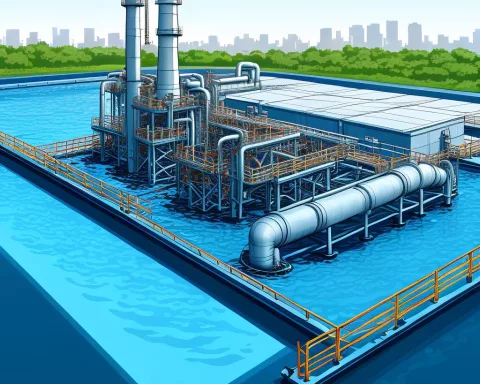
As part of the effort to build water resilience, the city is forging ahead with its long-term New Water Programme, which has plans to incorporate an additional 300 million liters of water per day into the system by 2030. This program investigates various water sources, including water recycling, desalination, and the extraction of groundwater from aquifers.
Looking Ahead: Future Water Management Strategies
These strategies are critical in ensuring a steady water supply, especially given the unpredictable rainfall patterns and impending drought threats. This proactive transition from reliance on rain-dependent dams to a diverse array of water resources will significantly enhance the city’s water security.
Furthermore, the city is investing R50 million in collaboration with The Nature Conservancy to eradicate water-consuming invasive alien plants, thereby guaranteeing more water is delivered to the Western Cape Water Supply System’s dams.
Cape Town’s unwavering commitment to water conservation manifests its dedication to protecting this essential resource for its residents. The city invites everyone to visit their websites to find water-saving tips and get informed about water regulations, as the involvement of everyone is crucial for a sustainable water future.
For more information, please visit the following websites:
– Save Water
– Water Regulations
1. What is Cape Town urging its citizens to do as summer approaches?
Cape Town is urging its citizens to conserve water as summer approaches by promptly fixing leaks, complying with regulations, and practicing thoughtful water use.
2. What is the goal of water consumption in Cape Town?
The goal is to keep water consumption below 950 million liters per day and promote communal responsibility and year-round commitment to responsible water usage.
3. What is the New Water Programme in Cape Town?
The New Water Programme is a long-term initiative in Cape Town aimed at incorporating an additional 300 million liters of water per day into the system by 2030 through initiatives such as leak detection, pipe replacement, and pressure management.
4. Why is it important to preserve water all year round in Cape Town?
It is important to preserve water all year round in Cape Town because water conservation is not simply a seasonal initiative but a year-round commitment. It assists the city in managing water supplies under various conditions, such as during the maintenance of pipelines and water storage tanks, during electricity outages, or while working on the fundamental infrastructure.
5. What are some measures taken by Cape Town’s Water and Sanitation Department to preserve water?
Cape Town’s Water and Sanitation Department is devoted to several measures aimed at preserving water, including leak detection, annual pipe replacement, and pressure management to tackle and prevent pipe bursts and leaks, thereby minimizing water loss.
6. What is the New Water Programme investigating in terms of water sources?
The New Water Programme is investigating various water sources, including water recycling, desalination, and the extraction of groundwater from aquifers as part of the effort to build water resilience, which will significantly enhance the city’s water security.