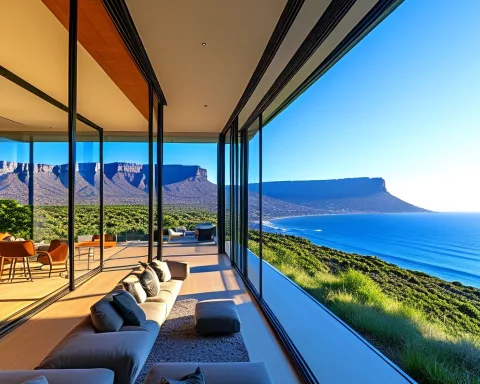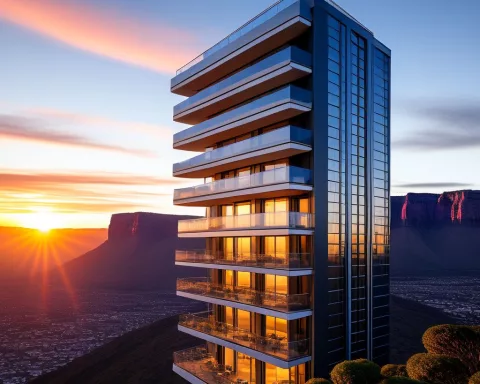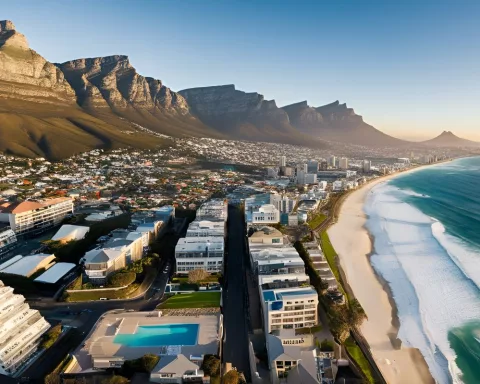
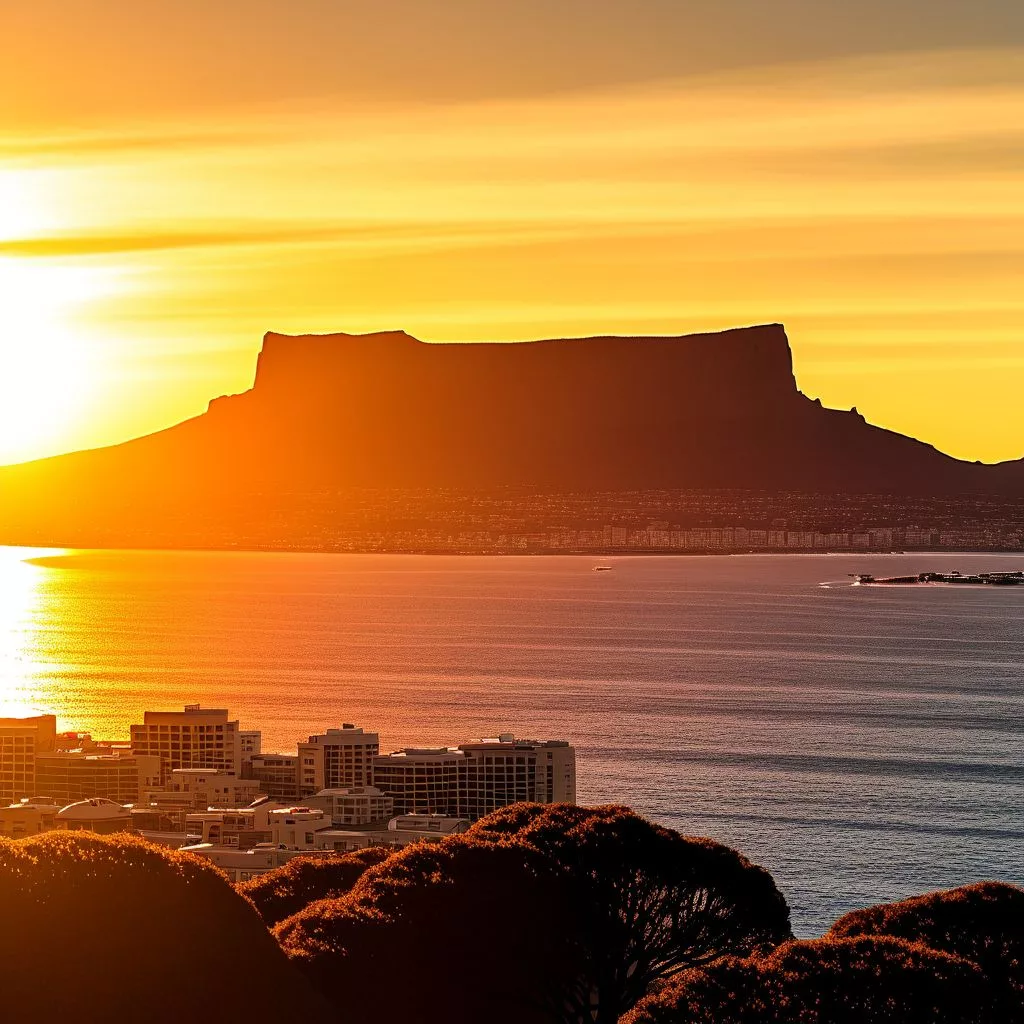
In 2025, Cape Town’s prime residential market shines bright as a rare gem, offering beautiful homes at affordable prices (€2,600/m²) with steady growth and limited supply. Nestled between stunning mountains and the ocean, the city attracts buyers who seek not just investment, but a vibrant lifestyle full of culture, safety, and nature. While other global cities face uncertainty, Cape Town remains stable and inviting, making it a top choice for people dreaming of both comfort and opportunity. The city’s charm and balanced market make it a place where life feels rich and full, drawing investors and residents alike.
Why is Cape Town’s prime residential property market so attractive in 2025?
Cape Town’s prime residential market in 2025 is attractive due to its resilience, affordability (€2,600/m²), and unique lifestyle appeal. Key factors include steady capital growth (3.2%), limited supply, cultural vibrancy, and safety, making it a top global destination for investors seeking value and quality of life.
Cape Town Ascends Among Global Real Estate Giants
Cape Town, nestled between iconic mountains and the glistening Atlantic, has always attracted those with a passion for beauty and adventure. In 2025, the city’s allure extends to a discerning group of global property investors. These buyers are not merely searching for a place to live; they seek a holistic lifestyle that blends culture, natural wonders, and long-term promise.
Recent figures from Savills’ World Cities Prime Residential Index have placed Cape Town in an esteemed position: it now ranks as the world’s sixth best-performing prime property market. This achievement is particularly noteworthy when one considers the competition. Cape Town holds its own alongside established heavyweights such as London, Sydney, and New York. For many, this signals not just a trend, but a shift in global property dynamics.
Global property markets have faced significant headwinds in 2025. Economic uncertainty and political volatility have led to cooling markets in several major cities. Yet, Cape Town has bucked this trend. The city registered an impressive 3.2% capital value growth in prime residential real estate during just the first half of the year, a rate that outpaces many of its international peers. Even as cities like Sydney and New York grapple with stagnation or decline, Cape Town remains on an upward trajectory, capturing the attention of investors worldwide.
Stability Amid Fluctuations and the Power of Confidence
Despite its strong performance, Cape Town’s growth rate has seen some moderation. After a robust 2.2% annual growth in 2024, the pace eased to 0.7% in the early months of 2025. Rather than signaling weakness, this shift suggests the market has reached a state of stability – a rare commodity in today’s unpredictable economic climate. Buyers and agents alike sense this equilibrium. In sought-after neighborhoods such as Constantia or along the famed Atlantic Seaboard, the mood remains upbeat. Viewings attract motivated buyers who value both a wise investment and the unique lifestyle Cape Town offers.
This stability contrasts sharply with the volatility seen elsewhere. Rather than panic in the face of slower growth, buyers in Cape Town appear to value the market’s resilience. They recognize that the city’s appeal does not rest solely on capital appreciation, but on delivering a quality of life that remains unmatched. As one seasoned real estate agent explains, many clients look beyond numbers – they are drawn to the lifestyle, the sense of community, and the natural beauty that define Cape Town.
Confidence in the market also stems from the city’s enduring reputation as a safe haven for investment. While other cities struggle with affordability crises or oversupply, Cape Town’s balanced growth offers reassurance. The city’s ability to maintain steady demand, even in challenging times, signals to investors that their capital is well-placed.
The Value Proposition: Affordability Fuels International Appeal
Cape Town’s affordability sets it apart on the world stage. The average cost of prime residential property in the city stands at just €2,600 per square meter, a figure that underscores its competitiveness. Compare this to Tokyo, where prices soar to €22,900 per square meter, and the value is unmistakable. Even established markets in Western Europe and North America cannot match Cape Town’s attractive price point combined with luxurious living.
This affordability has become a magnet for families and individuals looking to escape crowded, expensive cities. Stories abound of newcomers who have fallen in love with the city’s open spaces, vibrant culinary scene, and direct access to nature. A family arriving from Amsterdam, for instance, recounted how one sunset viewed from Camps Bay sealed their decision to buy a home in Cape Town. Such anecdotes are increasingly common, illustrating the city’s emotional as well as financial pull.
The focus of buyers has evolved. More than ever, people prioritize lifestyle over traditional metrics like rental yields or speculative returns. This marks a broader societal shift, reminiscent of movements that championed craftsmanship and quality of life over utilitarian concerns. For many, Cape Town represents a return to these values – where beauty, comfort, and personal fulfillment outweigh short-term financial considerations.
Lifestyle as the Ultimate Asset
Cape Town offers an experience that goes beyond bricks and mortar. The city pulses with life, from the bustling eateries of Bree Street to the tranquil hiking trails of Table Mountain. Creative neighborhoods such as Woodstock thrive on artistic expression, while tech entrepreneurs and retirees alike find their place in the city’s vibrant tapestry. Many residents describe life here as a perpetual vacation, yet one that never sacrifices the conveniences of modern urban living.
Quality of life underpins Cape Town’s property values in a way few cities can match. Comparable destinations – Amsterdam, Lisbon, Sydney – share this attribute: their real estate markets remain robust because buyers consider more than financial cycles. Safety, leisure opportunities, and cultural vibrancy have become as important as square footage or return on investment.
This shift in priorities changes the dynamics of the market. Demand endures, insulated from the ebb and flow of global economic cycles, because people continue to seek out places where life feels enriched and purposeful. Cape Town has positioned itself as one of these rare destinations – a city where dreams and daily realities meet.
Limited Supply: The Secret Ingredient
Scarcity plays a critical role in Cape Town’s property landscape. In the city’s most coveted neighborhoods, such as Oranjezicht with its Victorian charm or the prestigious waterfront areas, properties seldom come onto the open market. Geographical constraints and conservation policies limit new development, ensuring that existing homes maintain and increase in value.
This restriction on supply insulates Cape Town from the boom-and-bust cycles that trouble larger, less-regulated cities. Buyers find themselves competing for a finite number of high-quality properties, which drives both demand and prices upward. Developers, constrained by the city’s geography and heritage protections, focus on quality rather than quantity, further enhancing the market’s exclusivity.
Andrew Golding, CEO of Pam Golding Properties, observes that buyers in Cape Town are often driven by lifestyle aspirations rather than short-term market movements. This mindset fosters a sense of stability; when buyers are less sensitive to economic fluctuations, the market as a whole becomes less volatile. Here, the decision to buy a home often reflects a long-term vision, rooted in the desire for fulfillment and belonging.
Looking Ahead: Innovation and Enduring Demand
Predictions for the remainder of 2025 remain optimistic. As global uncertainties ease and confidence returns to the investment community, experts anticipate continued capital growth in Cape Town’s prime property sector. The city’s reputation for attracting high-net-worth individuals continues to grow, drawing not just traditional investors but also a new wave of digital nomads and remote workers.
Local businesses have adapted to this evolving demographic. Sea Point’s coffee shops hum with the energy of entrepreneurs and creatives, while tech-savvy property firms streamline the home-buying process for newcomers. The city’s ability to embrace change – while retaining its unique character – demonstrates a flexibility that keeps it relevant in a rapidly shifting world.
These trends point to a robust and dynamic market, one that is uniquely positioned to thrive. Cape Town’s blend of affordability, lifestyle appeal, and limited supply ensures that demand remains steady, even as buyer profiles evolve. The city’s adaptability becomes an asset, reinforcing its identity as a prime destination for both living and investment.
Architecture, Art, and a Living Narrative
Cape Town’s story unfolds across its architecture and public spaces. The city’s skyline weaves together centuries of history, from the gabled elegance of Cape Dutch homes to the cutting-edge lines of modern developments. Projects like the Silo District’s transformation, now home to the Zeitz Museum of Contemporary Art Africa, showcase the city’s commitment to honoring its heritage while embracing innovation.
Cape Town’s approach recalls the urban revivals seen in cities such as Barcelona and Berlin, where investment in art, design, and public engagement sparked cultural and economic renewal. The city leverages both its natural assets and its creative spirit to shape a future that feels inclusive, dynamic, and globally relevant. This fusion of tradition and modernity has elevated Cape Town’s status on the world stage, making it a beacon for those who seek inspiration and opportunity.
A Market Driven By Visionaries
Ultimately, Cape Town’s prime residential market serves as a stage for those who dream and achieve. From Signal Hill’s panoramic views to the lush tranquility of Kirstenbosch Gardens, the city offers an environment where aspirations can flourish. Both residents and investors sense they are part of an evolving narrative – one marked by resilience, creativity, and lasting value.
As one local architect reflects, Cape Town is not just a place to live, but a canvas on which to paint a life. In 2025, the city redefines luxury by blending affordability, lifestyle richness, and investment security into a rare and compelling proposition. As global eyes remain fixed on Cape Town, more people than ever feel the magnetic pull to join its unfolding story and call it home.
FAQ: Cape Town’s Prime Residential Market in 2025
1. Why is Cape Town’s prime residential market considered attractive in 2025?
Cape Town’s prime residential market stands out in 2025 due to its affordability (€2,600/m²), steady capital growth (3.2%), and limited supply of premium properties. Beyond financial factors, the city offers a unique lifestyle blend of safety, cultural vibrancy, natural beauty, and quality of life. This combination makes it an appealing destination for both investors and residents seeking long-term value and a rich living experience.
2. How does Cape Town’s property market performance compare globally?
Cape Town ranks as the 6th best-performing prime residential market worldwide in 2025, according to Savills’ World Cities Prime Residential Index. It outperforms many established cities like Sydney and New York, which are currently facing stagnation or decline. This remarkable position highlights Cape Town’s resilience amid global economic uncertainties and its growing appeal to international investors.
3. What factors contribute to the stability of Cape Town’s housing market?
The market’s stability arises from a balanced growth rate, moderation from 2.2% annual growth in 2024 to 0.7% in early 2025, and limited property supply due to geographical constraints and conservation policies. Buyers in sought-after neighborhoods value the resilience, lifestyle benefits, and community feel, which cushions the market from volatility common in other major cities.
4. Why is affordability such a key selling point for Cape Town’s real estate?
At an average of €2,600 per square meter, Cape Town offers prime residential properties at a fraction of the cost compared to cities like Tokyo (€22,900/m²) or Western Europe and North America. This affordability attracts international buyers, families, and individuals seeking to escape crowded, expensive urban centers, while still enjoying luxury living, cultural experiences, and easy access to nature.
5. How does lifestyle influence property demand in Cape Town?
Lifestyle is the ultimate asset in Cape Town’s property market. The city provides a vibrant urban experience combined with outdoor recreation, cultural richness, and a strong sense of community. Neighborhoods like Woodstock and Bree Street showcase artistic energy, while natural landmarks such as Table Mountain offer tranquility. This lifestyle focus attracts buyers who prioritize well-being and personal fulfillment over purely financial returns.
6. What role does limited supply play in Cape Town’s prime residential market?
Scarce availability of properties in prestigious areas like Oranjezicht and the Atlantic Seaboard drives demand and supports property values. Strict development regulations and geographical limits prevent oversupply, creating a competitive market where quality and exclusivity prevail. This scarcity ensures long-term capital appreciation and helps shield the market from boom-and-bust cycles often seen elsewhere.
For prospective buyers and investors, Cape Town represents a rare blend of affordability, lifestyle richness, and market stability – making it a prime destination in 2025 and beyond.