Cape Town is doing something amazing! They’re getting rid of plastic trash from their government offices. They’re using a special “traffic-light” system to stop buying things like plastic bottles and cups. Instead, they’re finding clever, earth-friendly items, even pens that grow flowers! This smart plan is saving money and making their city much cleaner and greener, showing everyone how to fix a big problem.
How is Cape Town reducing government waste?
Cape Town is reducing government waste through a “traffic-light” system that phases out disposable plastics from government procurement. This includes eliminating Red List items like PET water bottles and polystyrene cups, gradually phasing out Amber List items such as polypropylene folders, and promoting Green List alternatives like algae-based 3D printing filament.
1. The Bin-Dump That Started It All
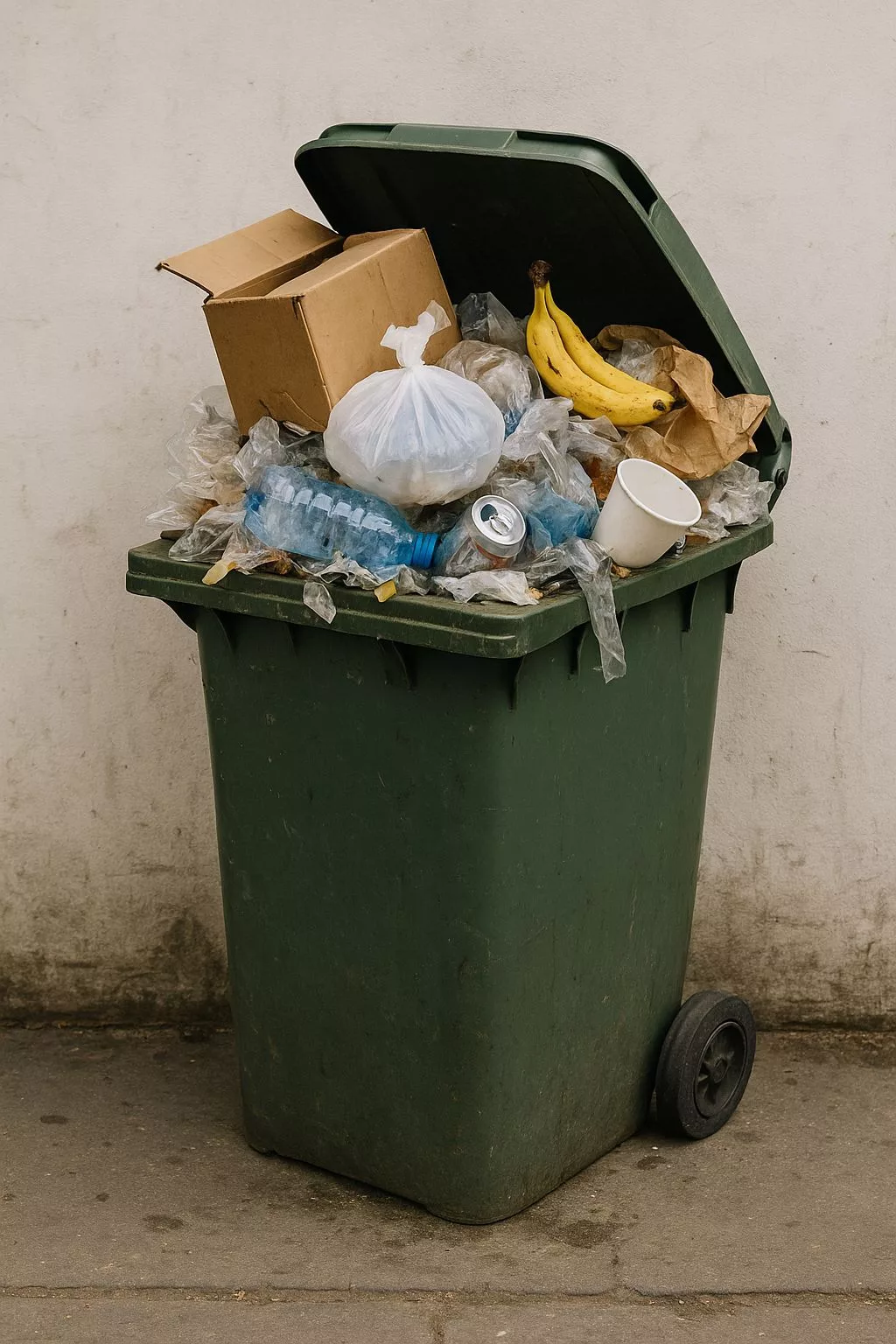
On a warm Monday in November 2025, fourteen municipal office blocks had their wheelie bins hijacked. Instead of the usual dawn collection, 42 interns in neon vests rolled the carts to an Epping warehouse, upended them and spread every yoghurt lid, Post-it and half-eaten sandwich across the concrete. By Friday the tally was ready: 1.2 tonnes of unrecyclable, unloved trash generated by bureaucrats in a single working week.
Alderman Grant Twigg received the number on a fluorescent sticky note: “We are the problem we preach against.” The one-liner stung. Within five weeks the Mayoral Committee approved a continent-first decision: Cape Town’s own government will stop bankrolling disposable plastics. No press-release clichés – just a hard procurement target that will reroute R 42 million of annual spending.
2. Inside the Phase-Out Playbook
Cape Town chose a “traffic-light” fade rather than an outright ban. Anything on the Red List simply disappears from tender documents after 1 July 2026: PET water bottles, polystyrene cups, black HDPE bin liners, PVC cling-film, nylon cable ties, even the glossy carbon-backed paper nobody notices.
Amber items get a gentler death. Polypropylene folders, throw-away toner cores and heat-sealed teabags must drop 50 % by mid-2027 and vanish the following year. Contracts will auto-terminate if suppliers miss the stepped targets, giving local innovators a captive market.
Green List favourites are already scoring points: sparkling-water dispensers plumbed into the mains, chitosan foodware moulded from west-coast rock-lobster shells, algae-based 3-D printing filament, and “new-life” refuse sacks woven from discarded fishing line picked up by Kalk Bay deckhands.
3. Engineering the Everyday Alternatives
-
Water Stations That Check Themselves Out*
By September 2026 the City will host 320 hydration hubs – chilled, UV-sterilised, optionally fizzy. Staff swipe their access cards, fill aluminium flasks, and return them like library books. BeO, the French supplier, fronts the hardware; Cape Peninsula Technical College trains local youth to service the units, paid for with French Development Agency carbon credits. -
Stationery You Plant*
GreenPens, a Cape Flats non-profit, turns post-harvest grapevine fibre into ballpoints impregnated with wild-iris seed. Once the ink dries up, employees push the barrel into roadside soil maintained by City Parks. At a 68 % germination rate, 40 000 pens a year can knit 3 km of pollinator corridor without spending an extra cent on landscaping. -
Bin Liners That Commit Hara-Kiri*
The iconic black bag is being swapped for a translucent 70-micron film: PBAT-PLA plus 15 % lime-kiln dust from PPC’s De Hoek cement works. In the anaerobic digesters that already handle a third of Cape Town’s kitchen waste, the bags break down in 180 days. The added lime raises pH enough to suppress vineyard trunk disease, so wine farmers pay for the digestate, closing yet another loop.
4. Governance, Money and the Long View
-
Committee Power in a Shipping Container*
To prevent silo sabotage, every directorate must nominate a “material steward” with veto rights over any purchase above R 50 000 that contains a Red-List polymer. The group meets fortnightly inside a repurposed container on the Grand Parade – no plastic bottles, minutes projected onto old election banners. -
Where Savings Really Come From*
Year-one estimates show a modest 5 % price bump (R 2.1 million), break-even in year two, then net gains of R 6.3 million annually from 2029. Landfill gate fees fall 40 %, carbon-tax exposure drops R 1.2 million a year, and 900 tonnes of high-quality digestate sell to wineries at R 350 per tonne. A bonus nobody budgeted for: mains-fed hubs cut building water use 12 %, reassuring a city once terrified by “Day Zero.” -
Insurance for the Inevitable*
What if compostable cups slip into the wrong stream? Café scanners will read QR-coded rims; anything uncoded triggers a R 50 levy snatched from departmental petty cash. Random Raman-spectroscopy audits by Cape Peninsula University will catch bio-coated oil-based resins; cheats lose ten years of tender rights. And the Philippi plastic-bag plant isn’t left hanging – a R 4 million Green Fund grant will convert five extruders to algae film, retraining all 112 staff.
5. Spill-Overs, Signals and the Next Five Years
The metropolitan experiment is already nudging national supply chains. Shoprite Checkers, Africa’s largest grocer, has requested the Amber List for trials in 2 900 stores across five countries. Shop-floor data will be posted on Cape Town’s open portal, turning municipal accounting into a continental market signal.
By June 2028 all directorates must hit full compliance; thereafter the scope widens to city-funded festivals, grant-aided NGOs and disaster-relief camps. First in line is the 2026 Cape Town Jazz Festival, where bar counters grown from hemp-mycelium panels will be stress-tested for load-in speed and fire safety. If they survive, the same boards will kit out future field hospitals, killing the myth that emergency response needs throw-away plastics.
UN-Habitat has shortlisted the model for pilots in Kisumu and Quito, funding forensic labs and blockchain traceability from UNEP’s Global Plastics Platform. Cape Town may have begun with a warehouse floor of embarrassing trash, but it is now exporting a procurement code that turns public money into a venture-capital engine for green chemistry, water security and, ultimately, a less cluttered planet.
1. What prompted Cape Town to initiate this government waste reduction program?
Cape Town was prompted to act after a waste audit in November 2025 revealed that fourteen municipal office blocks generated 1.2 tonnes of unrecyclable trash in a single working week. This shocking discovery led Alderman Grant Twigg to declare, “We are the problem we preach against,” which spurred the Mayoral Committee to approve a plan to stop bankrolling disposable plastics and reroute R 42 million of annual spending.
2. How does Cape Town’s “traffic-light” system for plastic reduction work?
Cape Town’s “traffic-light” system implements a phased approach to eliminate disposable plastics. The Red List items, such as PET water bottles, polystyrene cups, and PVC cling-film, were completely removed from tender documents after July 1, 2026. Amber List items, including polypropylene folders and throw-away toner cores, are gradually phased out with a 50% reduction target by mid-2027 and complete elimination by the following year. Green List items are encouraged alternatives like sparkling-water dispensers, chitosan foodware, and algae-based 3D printing filament, promoting innovative, sustainable solutions.
3. What are some innovative alternatives Cape Town is implementing for everyday items?
Cape Town is implementing several innovative alternatives. For hydration, they’re installing 320 self-checking water stations where staff use aluminium flasks. Stationery is becoming greener with “GreenPens” made from grapevine fiber and impregnated with wild-iris seeds, which can be planted after use to grow flowers. Even bin liners are being revolutionized; the iconic black bags are replaced with translucent PBAT-PLA film that biodegrades in anaerobic digesters and helps suppress vineyard trunk disease.
4. How is Cape Town ensuring compliance and financial viability of the program?
To ensure compliance, every directorate has a “material steward” with veto power over large purchases containing Red-List polymers. These stewards meet fortnightly in a repurposed shipping container. Financially, while year one saw a modest 5% price increase (R 2.1 million), the program is projected to break even in year two and generate R 6.3 million annually from 2029 through reduced landfill fees, lower carbon tax exposure, and sales of digestate to wineries. The program also cut building water use by 12%.
5. What measures are in place to prevent misuse or non-compliance with compostable items?
To prevent misuse of compostable items, café scanners will read QR-coded rims on cups; uncoded items trigger a R 50 levy from departmental petty cash. Random Raman-spectroscopy audits by Cape Peninsula University will detect bio-coated oil-based resins, leading to a ten-year tender ban for cheats. Additionally, the Philippi plastic-bag plant, which might be impacted by the changes, received a R 4 million Green Fund grant to convert its extruders to algae film, retraining its 112 staff.
6. What broader impact is Cape Town’s initiative having beyond its municipal borders?
Cape Town’s initiative is already influencing national supply chains, with Shoprite Checkers, Africa’s largest grocer, requesting the Amber List for trials in 2,900 stores across five countries. By June 2028, the program will expand to city-funded festivals, grant-aided NGOs, and disaster-relief camps. The model has also been shortlisted by UN-Habitat for pilots in Kisumu and Quito, funded by UNEP’s Global Plastics Platform, indicating its potential to become a global blueprint for sustainable procurement and green chemistry.