Cape Town is facing a rising criminal underworld that is causing chaos in its townships and disrupting essential services like trash collection. Criminal syndicates are holding city workers at gunpoint and forcing them to stop work until protection payments are made. This situation is having a human toll on the workers and is a matter of survival. The city is responding by implementing policy changes, encouraging victims to speak out, and working with law enforcement to dismantle the criminal networks.
Cape Town’s criminal underworld is a calculated assault on the city’s progress, reaching far beyond the informal economy and into essential services. Criminal syndicates have transformed areas into turbulent war zones, leading to a grinding halt of services like trash collection. City workers are held up at gunpoint and forced to stop work until their bosses capitulate to protection payment demands. The city’s response includes law enforcement, policy changes, and encouraging victims to speak out.
Trading in Fear: The Emergence of a Criminal Underworld
As the sun sets over the bustling townships of Cape Town, an ominous alternate reality is uncovered. This is a world saturated with unbridled audacity, where criminal syndicates audaciously exploit small businesses, hair salons, spaza stores, and even the simplest street merchants. Even the state is not immune to the far-reaching clutches of this criminal underbelly.
This clandestine network’s influence extends far beyond the city’s informal economy, spreading its venomous grip into Philippi, Samora Machel, Gugulethu, Nyanga, and sections of Khayelitsha. They have transformed these areas into turbulent war zones, leading essential services like trash collection to a grinding halt. This situation transcends inconvenience; it’s a matter of survival.
The Human Toll: Workers in the Crosshairs
Individuals employed in these sectors are at the mercy of these criminal rings, being held up at gunpoint and being forced to stop work until their bosses capitulate to protection payment demands. A senior employee from a firm hired by the city to provide services in Khayelitsha, Philippi, and Samora Machel attests that employees now refuse to venture into notorious crime zones without the accompaniment of law enforcement. The theft goes beyond material possessions; it’s a theft of dignity and safety.
These workers’ terrifying experiences lend a human aspect to the raw figures. Between January 2023 and February 2024, the City’s Safety and Security Investigation Unit (SSIU) documented 96 instances tied to intimidation of city councilors, personnel, and city-affiliated contractors.
Criminal Tactics and Their Impact
For example, Sanitech had to withdraw sanitation services from the RR informal settlement in Khayelitsha after janitors were held up at gunpoint. In the France informal settlement and Noxolo Xawuka, Khayelitsha, toilet cleaning services were suspended after workers faced a similar fate. These criminal syndicates are not just seizing opportunities, but are methodical, negotiating ‘protection fee’ agreements as though they were legal business negotiations.
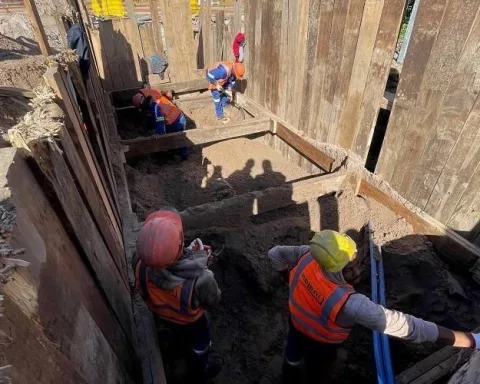
The audacity of this criminal network even infiltrates city construction projects. ACSA housing construction in Delft reported instances of murder, attempted slayings, and arson last year. Ongoing roadworks in Delft and Bishop Lavis are disrupted by murder and threats. The Beacon Valley housing project in Mitchells Plain has been halted, and there have been extensive extortion-related delays in MyCiTi bus construction on Spine Road, the construction of a pedestrian bridge in Eastridge, and a high-voltage cable relocation in Lentegeur.
A Coordinated Assault and the City’s Response
These are not isolated incidents. They represent a calculated assault on Cape Town’s progress. As the city’s finance council member, Siseko Mbandezi, stated, the city must now make things ‘as hard as possible for blackmailers and criminals.’
One strategy recommended by the City is to revise its Supply Chain Management Policy to diminish the impact of extortion. This would involve identifying individuals linked to specific tenderers as high-risk and adding them to the City’s Red List. Contracts connected via subcontracting to a high-risk primary tenderer could be cancelled once reputational risk and damage are identified.
Carl Pophaim, the Mayco Member for Human Settlements, stresses that extortion should never be normalized. Indeed, it represents a highly organized, profitable illicit enterprise that disproportionately affects the most fragile communities.
The city is urging all employees and contractors who have been victims of extortion to come forward and report the incidents to gain a comprehensive understanding of the situation. The SSIU is aiding the SAPS anti-extortion unit, the lead authority for investigating these crimes.
Colonel Andrè Traut, a spokesperson for SAPS, disclosed that queries about extortion have been directed to the Serious and Violent Crimes unit, and his office will provide an answer as soon as they receive a response.
In light of such systematic criminal activities, the city’s reaction, which includes law enforcement, policy changes, and encouraging victims to speak out, is crucial. As these efforts persist, there’s hope that Cape Town’s townships will once again flourish in peace and prosperity, free from the specter of extortion.
1. What is the rising criminal underworld in Cape Town causing?
The rising criminal underworld in Cape Town is causing chaos in its townships and disrupting essential services like trash collection. Criminal syndicates are holding city workers at gunpoint and forcing them to stop work until protection payments are made.
2. What is the human toll of the criminal underworld in Cape Town?
Individuals employed in these sectors are at the mercy of these criminal rings, being held up at gunpoint and being forced to stop work until their bosses capitulate to protection payment demands. This situation transcends inconvenience; it’s a matter of survival. The theft goes beyond material possessions; it’s a theft of dignity and safety.
3. What are some examples of the impact of criminal tactics in Cape Town?
Sanitation services had to be withdrawn from the RR informal settlement in Khayelitsha after janitors were held up at gunpoint. In the France informal settlement and Noxolo Xawuka, Khayelitsha, toilet cleaning services were suspended after workers faced a similar fate. There have been extensive extortion-related delays in MyCiTi bus construction on Spine Road, the construction of a pedestrian bridge in Eastridge, and a high-voltage cable relocation in Lentegeur.
4. How is the city responding to the rising criminal underworld in Cape Town?
The city is responding by implementing policy changes, encouraging victims to speak out, and working with law enforcement to dismantle the criminal networks. One strategy recommended by the City is to revise its Supply Chain Management Policy to diminish the impact of extortion. The city is urging all employees and contractors who have been victims of extortion to come forward and report the incidents to gain a comprehensive understanding of the situation. The SSIU is aiding the SAPS anti-extortion unit, the lead authority for investigating these crimes.
5. What is the impact of the criminal underworld on essential services like trash collection?
The criminal underworld is disrupting essential services like trash collection, leading to a grinding halt of services. City workers are held up at gunpoint and forced to stop work until their bosses capitulate to protection payment demands.
6. What can be done to address the rising criminal underworld in Cape Town?
The city’s reaction, which includes law enforcement, policy changes, and encouraging victims to speak out, is crucial. As these efforts persist, there’s hope that Cape Town’s townships will once again flourish in peace and prosperity, free from the specter of extortion.