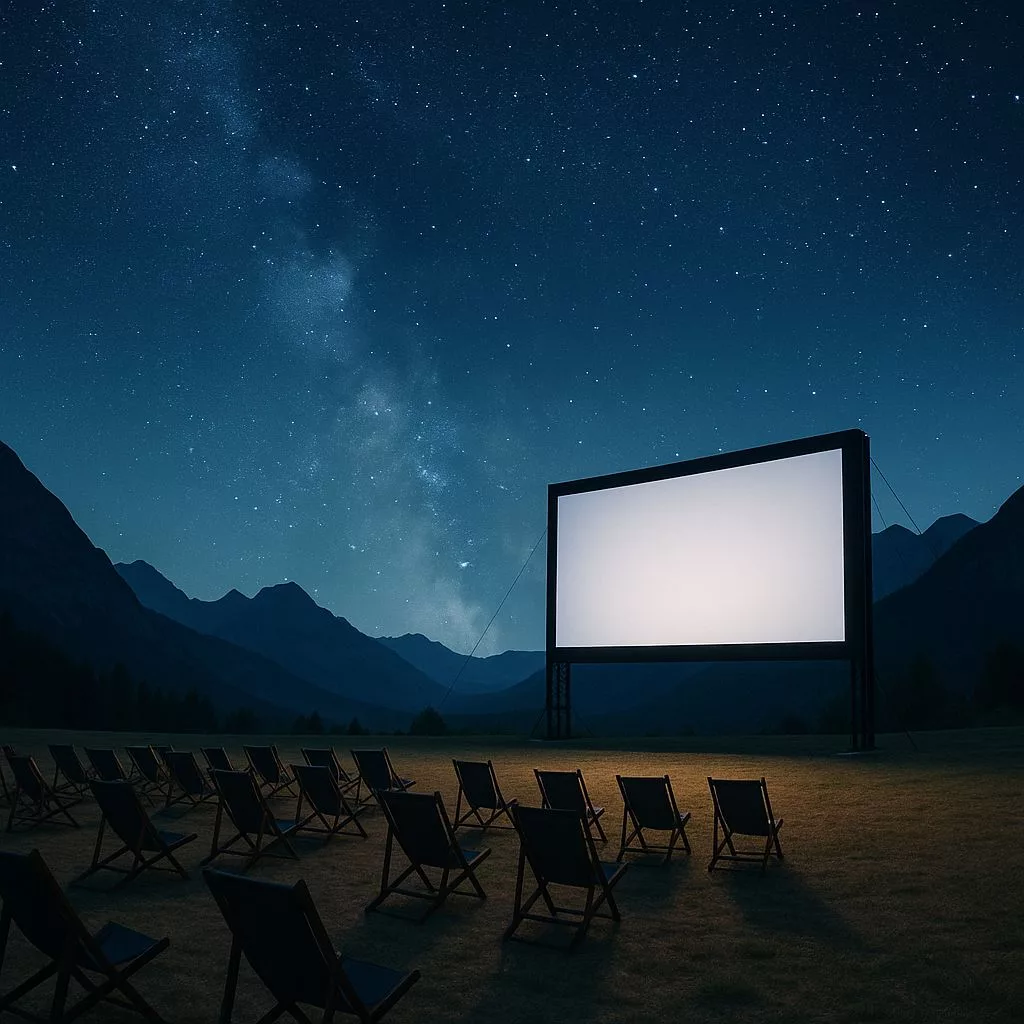
Imagine Cape Town in December, a magical time called Dezemba. The Galileo Open Air Cinema turns beautiful outdoor spots like vineyards into movie theaters under the stars. For 25 nights, you can watch classic films with mountains as your backdrop and a picnic on your blanket. It’s an eco-friendly movie night with delicious food and fun before the show, making every screening a dream.
What is the Galileo Open Air Cinema?
The Galileo Open Air Cinema is a unique film festival in Cape Town that transforms outdoor locations like vineyards and botanical gardens into magical movie venues. Running for 25 nights in December, it offers a diverse selection of films, from festive classics to family favorites, presented under the stars with a strong focus on sustainability and a memorable pre-show experience.
When the Mother City Becomes One Giant Drive-In Without Cars
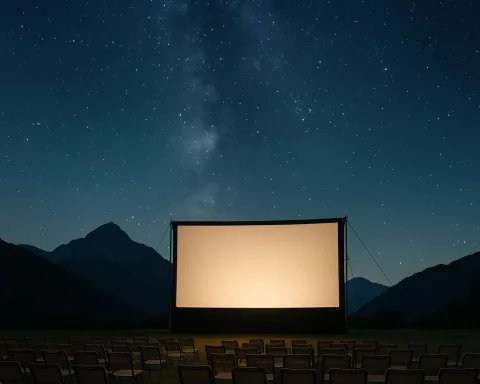
December in Cape Town slips into its own timezone. Residents rename the month Dezemba , a word that sounds like a drumbeat, and the whole metropolis relaxes into a slow-motion grin. Traffic lights blink as if they’ve had a glass of wine, the Atlantic swaps its winter coat for liquid sapphire, and every dusk feels handwritten. Into this seasonal theatre the Galileo Open Air Cinema drops a 25-night run of screenings, turning vineyards, botanical gardens and harbour lawns into temporary dream venues. Velvet drapes are replaced by mountain silhouettes, foyer chandeliers by lantern-strewn picnic blankets, and the roof is simply the sky – so wide it swallows a 12-metre inflatable screen whole.
Forget premiere dates and box-office rankings; the curators mine memory, not marketing spreadsheets. From 10 to 25 December they schedule eight festive favourites across ten evenings, chosen because they make strangers laugh in unison. The Holiday’s cottage glow feels at home beside Franschhoek’s Cape-Dutch gables, while Die Hard skyscrapers trade glances with Kirstenbosch pine spires and every cinematic explosion is heckled by a hadeda ibis. Even the film-grain seems colour-graded by nature: Elf ’s ketchup-red coat echoes noon geraniums, and the sodium streetlights of Home Alone flirt with the coals of a hundred roadside braais.
Entry starts at R155, yet the ticket is merely page one of a choose-your-own-adventure. Pensioners flash ID for the same rebate given to frazzled students, and a six-stub booklet costs five stubs, functioning like an advent calendar you can binge or ration. Splash out on front-row or VIP and you walk away with a sachet of Chuckles® malted puffs that dissolve on the tongue faster than gossip, plus a seat so near the screen you can spot film grain – provided the mountain air keeps still. Birthdays are free: show proof you once entered the world under some star or other and the gate swings open without further interrogation.
The Pre-Show That Starts Before Sunset
Gates officially unlock at 18:00 on weekdays and 17:00 on Saturdays, yet veteran Galileo-goers treat those times like surfers treat tide charts – helpful, not holy. By 16:30 the first corks pop at Rhebokskloof, a 160-hectare wine farm whose lake mirrors the Paardeberg peaks. Toddlers zig-zag between bean-bag continents while their parents pour Méthode Cap Classique whose labels list GPS co-ordinates instead of flowery tasting notes. A sous-vide rib-eye hisses on a portable skottel braai; beside it a beetroot-kidney-bean patty sizzles in turmeric flatbread, and the only house rule is that delicious smells must drift skyward to mingle with projector exhaust so that every reel change carries a whiff of rosemary smoke.
Behind the nostalgia lies a stealth-green operation. A 12,000-lumen Barco projector, Dolby surround sturdy enough to drown coqui frogs, and a 4G safety net for subtitle hiccups draw juice from silent lithium farms topped up by iPad-sized solar sheets that sunbathe all day. Even the popcorn kettles run on biodiesel rendered from last week’s V&A Waterfront cooking oil; one screening of Love Actually produces enough fuel to heat The Polar Express kernels. When the credits fade, horticulture students nicknamed “green guerrillas” sweep the kikuyu clean of every straw and compostable bowl, leaving the grass taller and smugger than they found it.
Christmas Eve and Christmas Day rank as the crown jewels. Kirstenbosch, where stone pines have stood in choral formation since 1902, hosts The Christmas Chronicles on the 24th and National Lampoon’s Christmas Vacation on the 25th. Tickets rise to R300 (R225 for under-18s), but the premium buys more than popcorn and a felt hat. Each guest receives an LED tea-light; when 700 flick on together the amphitheatre becomes a living constellation. During the sleigh-flying climax a drone swarm traces Santa’s GPS trail, their red diodes blinking in cahoots with Kurt Russell’s wink, then reassembles into a 3-D gift box that rains eucalyptus seeds over the eastern slopes of Table Mountain – future saplings hidden in confetti.
Night after Night: Wine Farms, Waterfronts and Kiddie Antics
Corporate planners have twigged that year-end cocktails under actual constellations crush hotel ballrooms every time. Bulk buy twenty tickets and discounts unlock; deeper pockets can buy out an entire vineyard. One fintech rented Allée Bleue for The Holiday, printing disposable QR codes on white director’s chairs that revealed each staffer’s bonus – until the Cape Doctor wind flipped the codes into the vines and the stunt became legend as “the night our raises blew into next harvest.”
Allée Bleue, planted in 1690, debuted with Galileo in 2012 when Mamma Mia! sold out so fast neighbouring farms ran out of rosé for a week. On 20 December The Holiday returns beside lavender hedges coaxed by gardeners to bloom exactly as the closing kiss lands. Rhebokskloof, cradled by a granite amphitheatre carved from Paarl Rock, now offers a glass-walled restaurant where chefs synchronise a Mamma Mia! Here We Go Again sing-along with a nine-dish mezze menu – dakos salad, ouzo-macerated watermelon and charred saganaki arriving in step with Cher’s Segway descent.
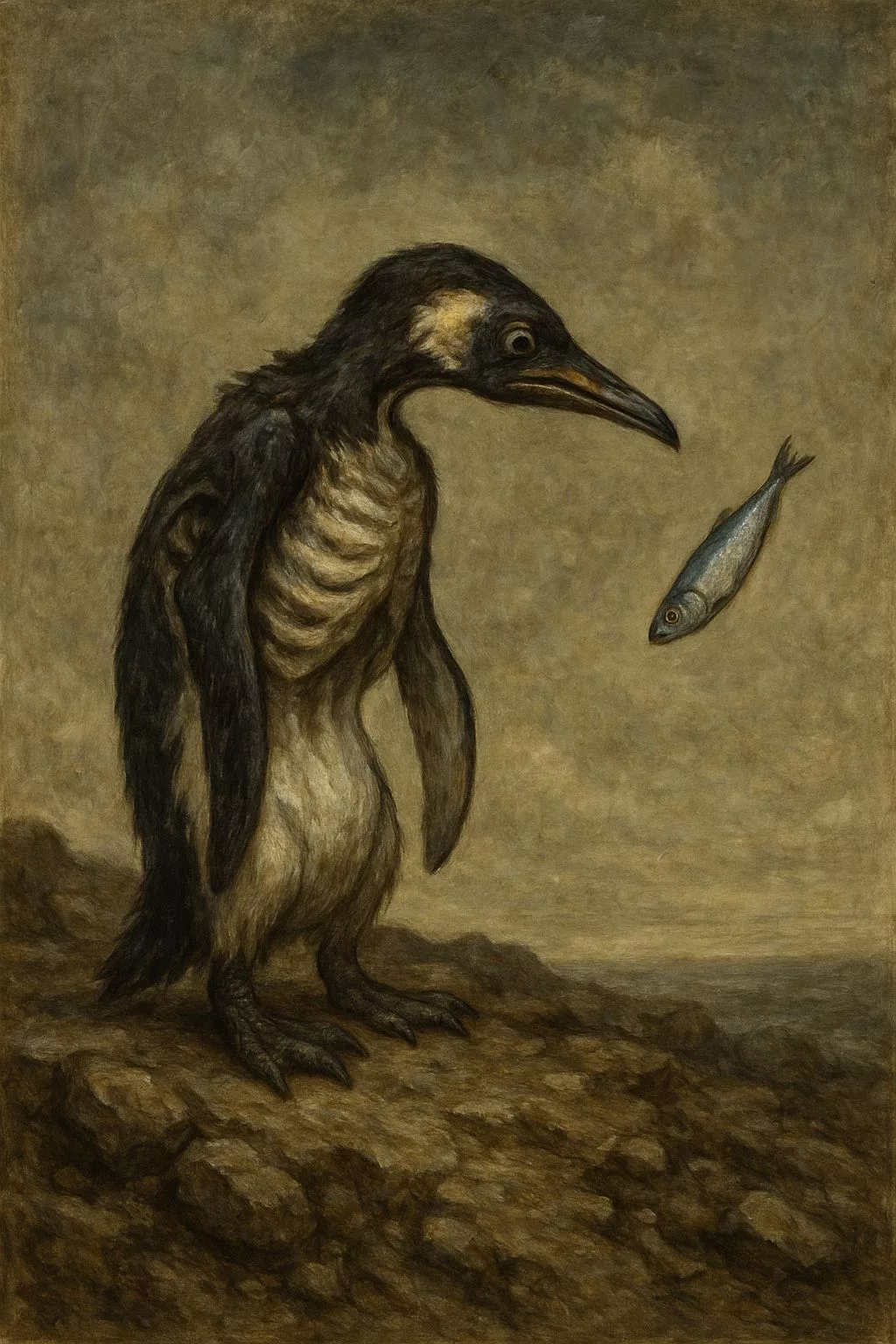
Children get their own micro-festival. Happy Feet on 10 December opens with a penguin-waddle relay: kids flap cardboard flippers down a red carpet, and victors earn vouchers for a “snow machine” that sprays biodegradable coconut bubbles. School of Rock at the V&A Waterfront becomes an open-mic for any child bearing an instrument – ukulele, tin whistle, even a tissue-wrapped comb – culminating in a key-agnostic mass roar of “Stick it to the Man!”
Weather tantrums meet military choreography. A 30% rain forecast triggers an SMS offering deferral codes; above 60% the show shifts to a 17th-century grain loft with a retractable glass roof that still lets Orion photobomb the romance. Gale-force winds activate “code katabatic”: the screen tilts to 45 degrees and the crowd migrates uphill so the mountain itself blocks the katabatic breath. The first deployment during La La Land aligned Stone’s planetarium scene with a satellite fly-past; astronomers insist the combined light forged a temporary star visible only at 34° south.
Romance, Biodiesel Buses and a Sky-Printed Multiplex
Tinder registers a 27% spike for bios reading “let’s picnic under the stars,” and local astrologers book extra synastry readings the morning after. Galileo fans the flames: each ticket hides an AR star map; aim your phone upward and mythic constellations overlay the real ones. Lean in during The Holiday’s final clinch and Canopus – the Polynesian way-finder star – blinks on cue; the app pings: “You just replayed 2,000 years of navigation – collect a gratis glass of Cap Classique at the bar.”
Even goodnight is staged. Ushers swap white head-torches for red-filter lamps to protect night vision while guiding guests to shuttle queues. The buses – retro double-deckers running on leftover popcorn biodiesel – pass predetermined late-night koesister stalls, gruyère-stuffed boerewors garages and a moon-aligned lookout before evaporating into the city. Behind them the giant screen sighs, deflates and rolls into a canvas scroll, ready to caravan onward like a travelling chapel of celluloid dreams.
Night after night the Western Province mutates into one sprawling multiplex whose ceiling is the galaxy, whose proscenium is a 600-million-year-old mountain, whose lobby smells of fynbos, pinotage and charcoal-kissed boerewors. The reels may be decades old, yet no two shows repeat: every sunset strikes a fresh print, every breeze remixes the score, every audience improvises its own ensemble scene beneath the upside-down Orion.
What is the Galileo Open Air Cinema?
The Galileo Open Air Cinema is a unique film festival in Cape Town that transforms beautiful outdoor locations like vineyards, botanical gardens, and harbor lawns into magical movie venues. Running for 25 nights during December (referred to locally as “Dezemba”), it offers a diverse selection of films, from festive classics to family favorites, all presented under the stars with a strong focus on sustainability and a memorable pre-show experience.
When does the Galileo Open Air Cinema take place?
The Galileo Open Air Cinema runs for 25 nights during December. Specifically, it operates from the 10th to the 25th of December each year, making it a festive highlight of the Cape Town holiday season.
What kind of films are screened?
The curators select a variety of films, prioritizing those that evoke shared laughter and nostalgia rather than current box-office hits. The schedule often includes festive favorites like The Holiday, Die Hard, Elf, and Home Alone, as well as family-friendly options and classics. There are also special screenings for Christmas Eve and Christmas Day featuring films like The Christmas Chronicles and National Lampoon’s Christmas Vacation.
What is the experience like at Galileo Open Air Cinema?
The experience goes far beyond just watching a movie. Gates open early (18:00 on weekdays, 17:00 on Saturdays), allowing guests to enjoy the pre-show atmosphere, which includes picnics with delicious food from various vendors (or brought from home), and drinks like Méthode Cap Classique from local vineyards. The setting is spectacular, with mountains or other natural backdrops, and the cinema employs eco-friendly practices such as solar-powered projectors and biodiesel-fueled popcorn machines. Special events, like children’s activities and LED tea-light displays on Christmas, enhance the magic.
How much do tickets cost and what are the options?
Entry starts at R155. There are often discounts for pensioners and students. A six-stub booklet can be purchased for the price of five. For those wanting a more premium experience, front-row or VIP tickets are available, sometimes including additional perks like treats. Birthdays are free upon proof of identification. Prices for special events like Christmas Eve and Christmas Day screenings are higher, starting at R300 (R225 for under-18s), and include extra festive elements.
What happens if the weather is bad?
The Galileo Open Air Cinema has contingency plans for various weather conditions. For a 30% rain forecast, SMS notifications offer deferral codes. If rain chances exceed 60%, the screening is moved to an indoor venue, often a 17th-century grain loft with a retractable glass roof. In case of gale-force winds (referred to as “code katabatic”), the screen adjusts to a 45-degree angle, and the audience is directed to a spot where the mountain itself provides shelter from the wind.