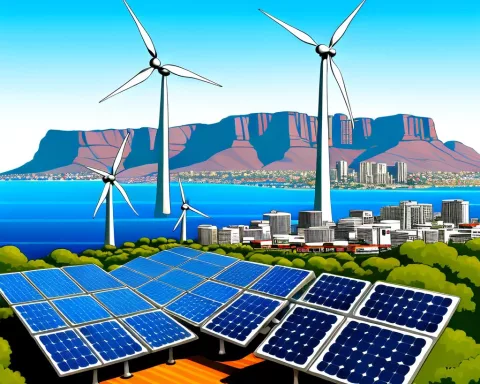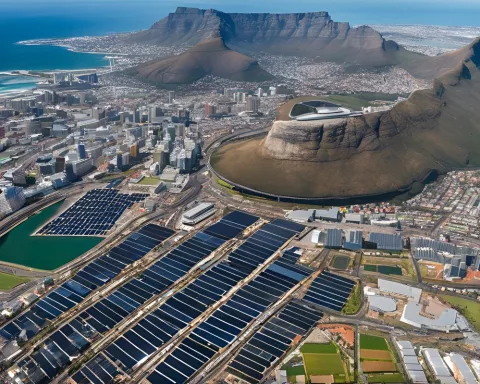
Cape Town has introduced an affordable single-phase feed-in meter for residents to trade excess solar power back to the city through the ‘Cash for Power’ scheme. The new meter is priced at 40% less than the previous three-phase model and has already generated over R30.8m. Participants can receive credits on their electricity and rates accounts by selling power back to the city or earn cash once their total municipal bill is credited down to zero. This initiative reflects Cape Town’s commitment to promoting sustainable energy practices and reducing load-shedding.
Cape Town has launched an affordable single-phase feed-in meter for its residents to trade excess solar power back to the city through its ‘Cash for Power’ scheme. The new meter is priced at R6,043, including VAT, which is 40% lower than the previous three-phase model. The initiative has already generated over R30.8m through municipal bill credits. Participants can earn credits on their electricity and rates accounts by selling power back to the city, or cash once their total municipal bill is credited down to zero.
A Pioneering Step in Sustainable Energy
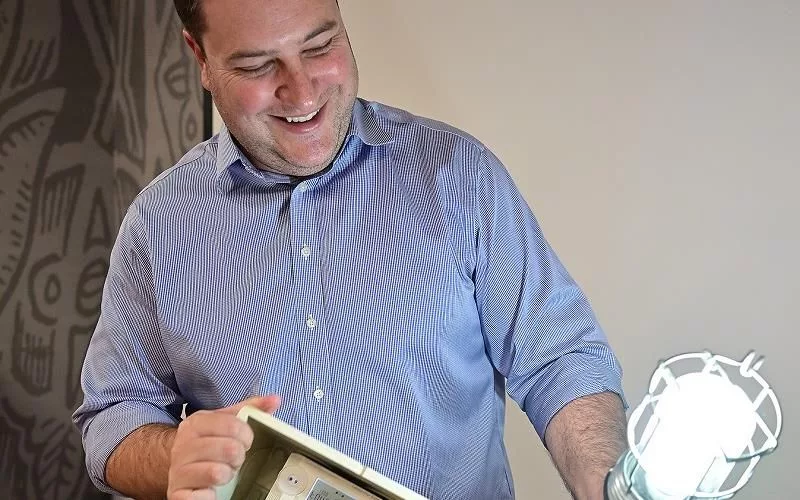
In a distinguished step, Cape Town recently unveiled an economical electricity meter for its residents. This significant initiative is a part of the ‘Cash for Power’ scheme that enables inhabitants to trade their excess solar power back to the City. Launched at a comparatively lower price, this novel, single-phase power meter has been priced 40% less than the previous three-phase model. The new meter is affordably priced at R6043, including VAT, marking a considerable decrease from the earlier meter’s price of R10 508.
This initiative speaks volumes about Cape Town’s dedication to promoting sustainable energy practices. The city’s pioneering approach is aimed at making renewable energy a feasible option for as many residents as possible. The city’s Mayor, Geordin Hill-Lewis, expressed great excitement and optimism during the launch of this initiative. He declared, “The City of Cape Town is now set to deploy the long-awaited economical single-phase feed-in meter…. This subsequently aids us in our broader objective of gradually putting an end to load-shedding in Cape Town.”
Solar Power Selling Process in Cape Town
Cape Town holds the distinction of being the first metro to procure surplus solar power from small-scale producers. These producers, in return, earn credits and cash against their municipal bills. This initiative has already generated over R30.8m, primarily through municipal bill credits, from the beginning of the 2022/23 financial year till April 1, 2024.
The process of selling power is quite simple. A power seller’s total municipal bill is automatically credited down to zero. After this, the power seller can apply to earn cash beyond a zero balance. This opportunity has been utilized by businesses since June 2023, and now, households have been given the same opportunity.
Participants of the ‘Cash for Power’ Programme
The ‘Cash for Power’ scheme has proved immensely beneficial for the participants. As of April 1, 2024, there were 1,537 sellers profiting from their surplus generation. Of these sellers, 910 were residential and 627 were commercial or industrial entities.
Previously, sellers could only receive credit against their electricity bill up to a zero balance. However, recent policy modifications in Cape Town now permit the total municipal bill to be credited. In addition, the policy also provides for cash payouts that exceed this limit. To streamline the registration process for a solar PV system, the city has introduced a new online portal.
Acquiring the New Meter and Important Considerations
How can customers obtain the new meter? The process is automated for those who have an SSEG application in progress. If not, they can request a new meter through the Service Connection process. Once the meter is installed, customers can export their surplus energy back to the grid and participate in the ‘Cash for Power’ initiative, earning a municipal credit offset on their monthly bill.
However, some crucial points need to be considered. The single-phase AMI meter is not suitable for three-phase customers. Customers are required to avail the necessary metering facilities. In certain cases, customers might need to modify their electrical supply installation.
Benefits and Application Process
Customers with authorised grid-tied SSEG systems can automatically earn credits on their electricity and rates accounts by selling power back to the City. Those who wish to earn actual cash once their total municipal bill is credited down to zero, can submit an application which will be evaluated in due time. After registration, any leftover credit will accumulate until it reaches a specific amount, at which point the City will convert credits into cash.
Concluding Thoughts
This initiative by the City of Cape Town is a progressive and practical strategy to endorse the usage of renewable energy. It not only promotes sustainability but also ensures that citizens benefit from their environmentally friendly practices. This innovative programme is a remarkable representation of how cities can implement advanced policies and strategies to tackle pressing global issues such as climate change and the energy crisis.
1. What is the ‘Cash for Power’ scheme in Cape Town?
The ‘Cash for Power’ scheme in Cape Town is a program that allows residents to trade excess solar power back to the city and receive credits on their electricity and rates accounts or earn cash once their total municipal bill is credited down to zero.
2. How much does the new single-phase feed-in meter cost in Cape Town?
The new single-phase feed-in meter in Cape Town is priced at R6,043, including VAT, which is 40% lower than the previous three-phase model.
3. How does the power selling process work in Cape Town?
Residents and businesses with authorized grid-tied SSEG systems can sell excess solar power back to the city and receive credits on their municipal bills. After their total bill is credited down to zero, they can apply to earn cash beyond that limit.
4. How can customers obtain the new meter in Cape Town?
Customers with an SSEG application in progress will automatically receive the new meter, while others can request it through the Service Connection process. However, the single-phase AMI meter is not suitable for three-phase customers, and customers may need to modify their electrical supply installation.
5. Who can participate in the ‘Cash for Power’ scheme in Cape Town?
As of April 1, 2024, there were 1,537 sellers participating in the ‘Cash for Power’ scheme in Cape Town, including residential, commercial, and industrial entities.
6. What are the benefits of the ‘Cash for Power’ scheme in Cape Town?
The ‘Cash for Power’ scheme in Cape Town promotes sustainable energy practices and reduces load-shedding. Participants can earn credits on their electricity and rates accounts or cash once their total municipal bill is credited down to zero. The initiative has already generated over R30.8m in municipal bill credits.