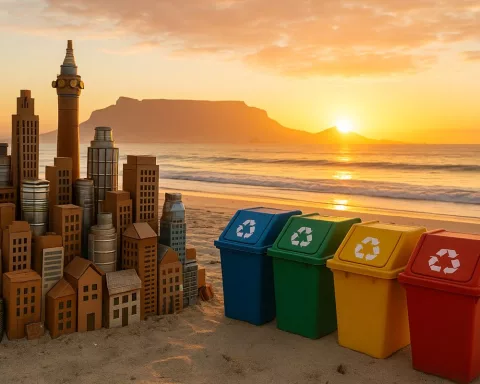
As summer arrives in Cape Town, the city’s stunning beaches buzz with excitement from locals and visitors alike. But to keep these coastal gems beautiful, everyone must play their part. Simple actions, like throwing away trash properly and joining clean-up events, can make a huge difference. The city is also using smart technology to monitor and maintain its sewer systems, ensuring the beaches stay clean and inviting. Together, with small efforts and big hearts, Cape Town can shine brightly this festive season!
How Can We Preserve Cape Town’s Coastal Beauty?
To preserve Cape Town’s coastal beauty, residents and visitors should:
- Dispose of waste responsibly, avoiding products like wet wipes and cooking oils.
- Participate in community clean-up campaigns.
- Support city initiatives focused on maintaining sewer systems.
- Stay informed about local environmental efforts.
Together, small actions can make a big impact!
As Cape Town transitions into its lively summer season, the city comes alive with vibrant energy and anticipation. The iconic beaches become magnets for both locals and visitors eager to bask in sunny days and enjoy relaxing breezy evenings. Yet beneath the surface, a pressing issue demands attention: the care and maintenance of the sewer systems that play a crucial role in preserving the beaches’ pristine condition. The City of Cape Town’s Water and Sanitation Directorate is urging everyone to join in safeguarding these cherished coastal treasures.
Understanding the Sewer Systems’ Role
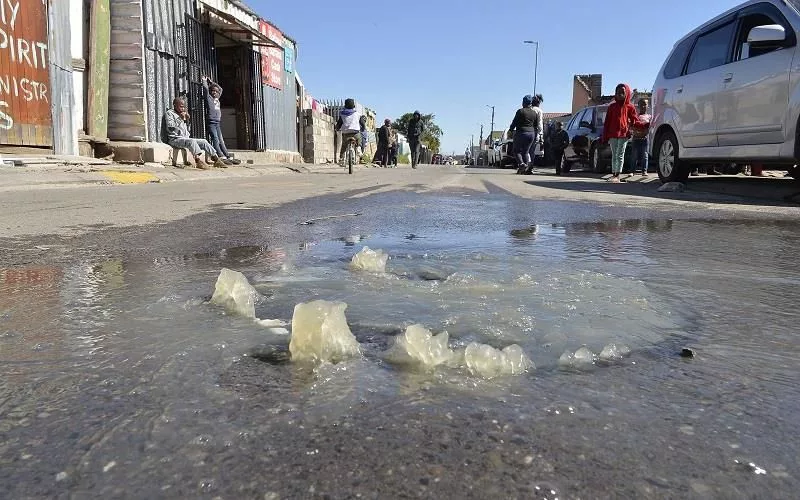
The connection between sewage systems and the picturesque beaches of Cape Town might not initially seem obvious. However, envision a stretch of coastline tainted by foul odors or, worse, littered with waste – a scenario that can become reality without proper waste management. Incorrect disposal of items like wet wipes, cooking oils, and sanitary products can clog sewer systems, leading to overflows that threaten the city’s natural allure. Stormwater drains also face similar risks, as they often inadvertently collect illegally dumped waste, compounding the problem.
To combat these challenges, the Directorate has rolled out a series of proactive measures. Routine inspections at coastal pump stations ensure wet wells, pivotal points in the sewer network, remain clear and operational. Dedicated teams stand ready for any emergencies, swiftly addressing issues as they arise. Since July 2024, an impressive 111.5 kilometers of sewer lines have been cleaned, showcasing the city’s dedication to maintaining a robust sanitation infrastructure. Grease-trap inspections in neighborhoods like Camps Bay and Muizenberg further prevent blockages from restaurant waste, complementing these efforts.
Harnessing Technology for a Cleaner Cape Town
Beyond hands-on maintenance, Cape Town embraces a technological approach to waste management. The introduction of a digital control room allows for real-time monitoring of the city’s water and sanitation systems. This innovative hub facilitates swift identification and rectification of any disruptions, underscoring a broader trend where smart city initiatives optimize resources and enhance urban living. Such digital advancements demonstrate the city’s commitment to staying at the forefront of modern infrastructure management.
However, Cape Town’s strategy extends beyond infrastructure improvements. Recognizing that community engagement and education are vital, the city prioritizes public campaigns to promote responsible waste disposal among residents and visitors. The message is straightforward yet impactful: by disposing of waste properly and encouraging others to follow suit, everyone can protect the environment collectively. This shift from a top-down approach empowers individuals, fostering a sense of personal responsibility for maintaining the city’s cleanliness and beauty.
Community and Cultural Influence
This collective responsibility echoes historical and artistic movements that highlighted the power of individual contributions toward communal wellbeing. The Arts and Crafts movement of the late 19th century, for example, underscored the significance of individual involvement in community health, much like the current initiatives in Cape Town. Similarly, the city’s proactive stance resonates with principles of Earth Art, where artists from the 1960s and 70s engaged directly with the environment in meaningful ways.
As the festive season unfolds, Cape Town emerges as a vibrant tapestry, intricately woven from community involvement, technological innovation, and diligent municipal efforts. The city’s beaches, often the backdrop for cherished memories with family and friends, offer more than recreation; they represent a shared heritage and a commitment to conserving the natural world for future generations.
Councillor Zahid Badroodien, a key advocate for these efforts, encapsulates this spirit succinctly: “By working together, putting our waste in the right place, and encouraging others to do the same, we can all help create good memories in our communities and on beach days this festive season.” His words serve as both a reminder and a call to action, urging individuals to reflect on their role in the larger environmental narrative.
The Ripple Effect of Individual Actions
In this dynamic city where the past and future intersect in the present, individual actions resonate, affecting not just local beaches but also Cape Town’s global image. The city, with its stunning blend of natural beauty and urban sophistication, exemplifies what a united community can achieve. As beachgoers savor the summer sun, they do so with the understanding that their contributions, however small, play a part in fostering a cleaner, more vibrant Cape Town for all to enjoy.
How can I help preserve Cape Town’s coastal beauty?
To help preserve Cape Town’s coastal beauty, you can:
– Dispose of your waste responsibly by avoiding products like wet wipes and cooking oils.
– Participate in local clean-up events.
– Support city initiatives that focus on maintaining sewer systems.
– Stay informed about and engage in local environmental efforts.
What is the connection between sewer systems and beach cleanliness in Cape Town?
Sewer systems are crucial for maintaining the cleanliness of Cape Town’s beaches. Improper disposal of items like wet wipes and cooking oils can clog these systems, leading to overflows that compromise the city’s natural allure. Stormwater drains can also collect illegally dumped waste, exacerbating the problem, which is why proper waste management is essential.
What measures are being taken to maintain Cape Town’s sewer systems?
The City of Cape Town’s Water and Sanitation Directorate has implemented several proactive measures, including:
– Routine inspections of coastal pump stations.
– Emergency response teams for swift issue resolution.
– Cleaning of over 111.5 kilometers of sewer lines since July 2024.
– Grease-trap inspections in neighborhoods like Camps Bay and Muizenberg to prevent blockages caused by restaurant waste.
How does technology play a role in maintaining Cape Town’s coastal environment?
Cape Town is leveraging smart city technology to enhance waste management. A digital control room allows for real-time monitoring of the water and sanitation systems, facilitating quick identification and resolution of disruptions. This innovation reflects the city’s commitment to modern infrastructure management and aims to optimize resources while ensuring cleaner beaches.
Why is community engagement important in preserving Cape Town’s coastal beauty?
Community engagement is vital because it empowers individuals to take personal responsibility for their environment. Public campaigns encourage responsible waste disposal and foster a sense of collective ownership of the city’s cleanliness. By involving residents and visitors in these initiatives, Cape Town reinforces the idea that everyone can contribute to a cleaner, more vibrant community.
How can small actions make a big impact on Cape Town’s environmental efforts?
Small actions, such as properly disposing of waste and participating in clean-up campaigns, collectively contribute to the overall health of Cape Town’s coastal environment. Each person’s efforts help prevent pollution and maintain the natural beauty of the beaches, influencing both local aesthetics and the city’s global image. Remember, every action counts!