
Cape Town has set up a temporary traffic circle at the busy intersection of Govan Mbeki and Duinefontein to make driving safer and smoother while big roadworks happen. This roundabout helps cut down traffic jams and accidents by keeping cars moving in a steady flow. It’s part of a bigger plan to improve public transport and connect neighborhoods better. Though temporary, this traffic circle is a step toward a future where getting around Cape Town is easier and faster for everyone.
What is the purpose of Cape Town’s temporary traffic circle at Govan Mbeki and Duinefontein?
Cape Town’s temporary traffic circle improves safety, reduces congestion, and supports smoother traffic flow during construction at Govan Mbeki and Duinefontein. It forms part of the MyCiTi Phase 2A project, enhancing urban mobility and preparing for a more connected, efficient public transport network.
Setting the Scene: A New Era for Govan Mbeki and Duinefontein Intersection
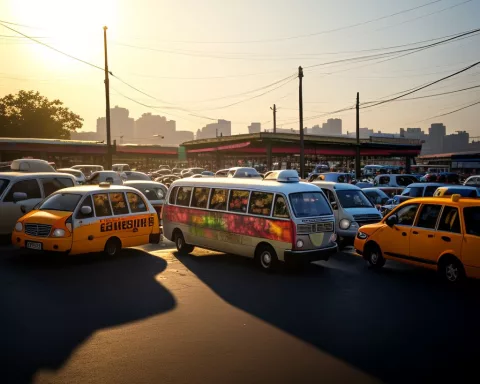
As the chill of winter sweeps under the silhouette of Table Mountain, Cape Town sets the stage for a significant infrastructural shift. At the busy crossroads where Govan Mbeki and Duinefontein Roads intersect, city engineers and planners gather with a clear mission: transform this familiar intersection into a symbol of Cape Town’s evolving transport future. Every day, this junction carries a steady stream of taxis, private cars, bicycles, and pedestrians, all converging in a symphony of city life.
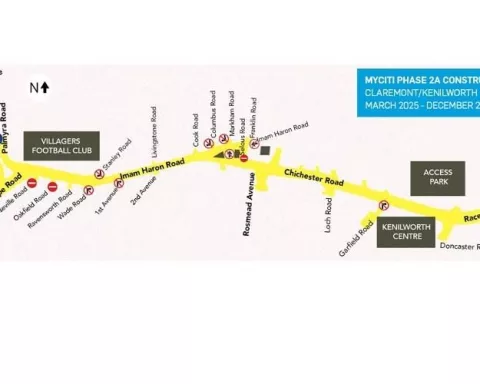
This transformation forms a crucial part of the city’s ambitious MyCiTi Phase 2A project, which seeks to connect neighborhoods such as Khayelitsha and Mitchells Plain with key economic hubs like Claremont and Wynberg. The aim is to knit together communities once divided by distance and poor transport links. For the next year, a temporary traffic circle – a single-lane roundabout – will guide the daily flow, marking a new chapter for the area’s commuters and residents.
The roadworks represent more than a change in the physical landscape. They signal a commitment to progress and inclusivity in public transport. As preparations accelerate, construction teams and city staff work in unison, all eyes on the impending switch from traffic signals to the dynamic choreography of a roundabout. This is not just a technical adjustment; it is a nod to the evolving needs of a growing metropolis.
The Logic and Legacy of Roundabouts
Temporary traffic circles have a storied past in urban planning, with their roots extending back to the early 20th century. In cities like Paris, roundabouts offered an early solution to the burgeoning problem of traffic congestion, encouraging a steady movement instead of abrupt stops. By the mid-1900s, British engineers refined the concept, emphasizing safety and reducing delays compared to traditional intersections.
Cape Town’s decision to opt for a roundabout during construction is strategic. Traffic circles improve safety by lowering collision rates and reducing the severity of accidents. Their continuous flow keeps vehicles moving, minimizing idling and emissions, which is especially valuable in high-traffic urban settings. The city’s planners understand that even a temporary circle can teach important lessons about traffic behavior and efficiency, potentially influencing future design decisions.
The roundabout’s design also resonates on an artistic level. Its orderly curves and central island evoke the minimalist geometry of Bauhaus art, combining form and function in a way that transforms a mundane intersection into a piece of living urban sculpture. The circle’s logic is simple: yield, merge, and keep moving – a direct contrast to the halting rhythm of traffic lights.
The Big Day: Construction and Community Adaptation
The transition begins on Saturday, 23 August 2025, when crews close the intersection at 2 pm to begin the transformation. Workers in reflective gear move swiftly, laying out new lanes, positioning temporary barriers, and installing fresh signage. The atmosphere resembles a carefully choreographed performance, as each task must finish before sunrise on Sunday, when the new traffic pattern takes effect.
City officials know that change can be unsettling. Law enforcement and traffic officers will monitor the area closely, providing guidance and ensuring everyone’s safety as drivers adjust to the new layout. Their visible presence reassures residents and commuters, signaling that the city cares about both order and safety during the transition.
This rollout is more than just construction; it is a psychological shift. Motorists accustomed to red and green lights must now negotiate the more fluid rules of a roundabout. The adjustment period might bring moments of hesitation, as some drivers pause to interpret new signs and unfamiliar road markings. Yet, such adaptation is a hallmark of urban life – temporary confusion giving way to new habits and routines.
Navigating Change: Signage, Signals, and Social Impacts
Strategic placement of warning signs alerts drivers to the upcoming changes well in advance. Bold arrows, cones, and reflective paint line the approach to the intersection, providing clear instructions. The visual landscape briefly changes, reminiscent of modernist art where function and clarity drive design. These signs not only direct vehicles but also prompt everyone to update their mental maps of the city.
For many locals, the shift brings both uncertainty and opportunity. Some will need a few extra minutes on their commute; others may discover safer, faster routes. Public education campaigns and on-site assistance will help smooth the adjustment, ensuring drivers quickly learn the etiquette of yielding and merging. Such efforts mirror the experience in other cities, where roundabouts, initially met with confusion, soon become second nature to all users.
Beyond traffic, the intersection’s temporary redesign weaves together the stories of countless Capetonians. Workers from surrounding neighborhoods rely on this route daily, while schoolchildren cross its paths under the watchful eyes of guardians. The traffic circle shapes not just mobility, but the rhythm of community interactions and access to opportunity.
Broader Context: Inspiration and Lessons from Around the World
Cape Town’s use of a temporary roundabout echoes a global trend in urban experimentation. During the COVID-19 pandemic, cities like Paris rapidly introduced pop-up bike lanes, while New York piloted “open streets” initiatives. These temporary solutions often become lasting improvements, demonstrating that cities can adapt and reimagine their infrastructure quickly when needed.
Over the next year, Cape Town’s planners will closely observe how the circle affects travel times, safety, and traffic patterns. Sophisticated sensors and regular field observations will gather valuable data, informing future projects across the city’s vast transport network. If the roundabout proves successful, it may inspire similar interventions elsewhere, spreading the benefits of smoother traffic flow and greater safety.
Such temporary changes also offer a chance for community feedback and involvement. Residents’ experiences – both positive and negative – will shape how the city approaches future upgrades. This commitment to listening and adapting is crucial for building trust and ensuring that infrastructure projects genuinely meet the needs of all citizens.
Looking Forward: The Promise of MyCiTi and Urban Renewal
The temporary circle is a visible marker of larger ambitions. The MyCiTi Phase 2A project aims to close long-standing gaps in Cape Town’s mobility system, offering a reliable, affordable alternative to private vehicles and informal taxis. For communities historically marginalized by apartheid-era planning, expanded public transport can be transformative: unlocking access to jobs, education, and social networks.
Councillor Rob Quintas captures this sense of anticipation, noting, “We appreciate the patience and understanding from commuters while these major works are underway and encourage them to always keep in mind the safe, affordable and reliable MyCiTi bus service that is coming their way, the public transport option they have been waiting for to keep Capetonians moving.” His message highlights both the challenges of the present and the promise of the future.
The circle, while temporary, stands as a metaphor for the city’s ongoing cycles of change. It illustrates Cape Town’s willingness to innovate, adapt, and invest in the well-being of all its residents, reinforcing the idea that every inconvenience today builds the foundation for a more connected tomorrow.
The Human Element: Everyday Stories and Shared Spaces
Every detour and redirection brings personal stories to the surface. For some, the added travel time is a minor annoyance; for others, the changes signal new opportunities. The eventual arrival of a reliable bus service could mean shorter commutes and more time with family, or even access to jobs that were once out of reach.
As dawn breaks and the first vehicles enter the new circle, a grandmother from Philippi might wait at the bus stop, plotting her route through the altered landscape. Teenagers on bicycles test the new traffic flow, weaving confidently through the lanes. The intersection pulses with the energy of change, each traveler becoming part of a larger narrative.
Amidst the practicalities of engineering and planning, there’s a quiet artistry to the roundabout’s form. The symmetry of the circle, the dance of cars and people, and the interplay of movement and pause all create a kind of urban poetry. This is where the city’s infrastructure and its spirit meet, shaping the everyday life of Cape Town’s residents.
Adapting Together: The Next Steps
For the weeks and months ahead, the city urges drivers to plan ahead, expect some delays, and approach the intersection with patience. These inconveniences are investments in a safer, more efficient future for all. Local businesses, too, may find new opportunities as traffic patterns shift, bringing different customers and changing routines.
Ultimately, the temporary traffic circle at Govan Mbeki and Duinefontein stands as a microcosm of Cape Town’s broader transformation. It demonstrates how innovation, resilience, and community engagement can come together to create a city that moves forward – literally and figuratively. By embracing change and learning from each phase, Cape Town paves the way for a more inclusive, connected, and vibrant future.
What is the purpose of Cape Town’s temporary traffic circle at Govan Mbeki and Duinefontein?
Cape Town’s temporary traffic circle is designed to improve road safety and reduce congestion at the busy intersection of Govan Mbeki and Duinefontein during large-scale roadworks. It facilitates smoother, continuous vehicle movement, minimizing traffic jams and accident risks while supporting the broader MyCiTi Phase 2A project aimed at enhancing urban mobility and public transport connections.
How long will the temporary traffic circle be in place?
The temporary traffic circle is expected to remain in place for approximately one year, during which the city will monitor its impact on traffic flow, safety, and commuter experience. This timeline aligns with ongoing construction and upgrades related to the MyCiTi Phase 2A project.
How does a roundabout improve traffic flow compared to traditional traffic signals?
Roundabouts encourage continuous vehicle movement by requiring drivers to yield rather than stop at red lights. This reduces idling, lowers collision rates, and decreases the severity of accidents. The steady flow helps to minimize congestion and emissions, making roundabouts especially effective in busy urban intersections like Govan Mbeki and Duinefontein.
What measures are in place to help drivers adapt to the new temporary traffic circle?
To assist drivers, the city has installed clear signage, reflective paint, cones, and directional arrows well ahead of the intersection. Traffic officers and law enforcement personnel will be present during the initial transition period to provide guidance and ensure safety. Additionally, public education campaigns and on-site assistance help residents learn the rules and etiquette of navigating roundabouts.
How does this temporary traffic circle fit into Cape Town’s larger urban mobility plans?
The temporary traffic circle is part of the MyCiTi Phase 2A project, which aims to connect previously underserved neighborhoods such as Khayelitsha and Mitchells Plain with economic hubs like Claremont and Wynberg. By improving traffic conditions now, the city prepares for a future with reliable, affordable, and efficient public transport options that promote inclusivity and economic opportunity.
Will the temporary traffic circle influence future traffic management projects in Cape Town?
Yes. The data collected from the temporary roundabout – on traffic patterns, safety, and commuter feedback – will inform future infrastructure decisions. If successful, similar roundabouts or alternative traffic management solutions might be implemented elsewhere in the city, contributing to Cape Town’s ongoing efforts to innovate and enhance urban mobility.
If you have any other questions or need further information, feel free to ask!