Baz-Art’s International Public Art Festival in Cape Town uses art as a tool for placemaking, converting neglected public areas into vibrant community centers. By promoting safety, economic progress, and cultural interchange, each venue becomes a beacon of transformation and community involvement. Baz-Art’s initiatives have proven that public art and placemaking ignite social interaction, improve urban safety, and instigate economic growth, serving as powerful instruments for community development and social reform. Through the power of art, Baz-Art is not only transforming Cape Town but also shaping the future one brushstroke at a time.
The Evolution of Placemaking: Art as a Tool for Community Building
Baz-Art’s International Public Art Festival in Cape Town is more than just a display of art. It’s a form of placemaking, converting public areas into vibrant community centers with the help of art. By rejuvenating neglected areas, placemaking goes beyond creating art by promoting safety, economic progress, and cultural interchange, transforming each venue into a beacon of transformation and community involvement.
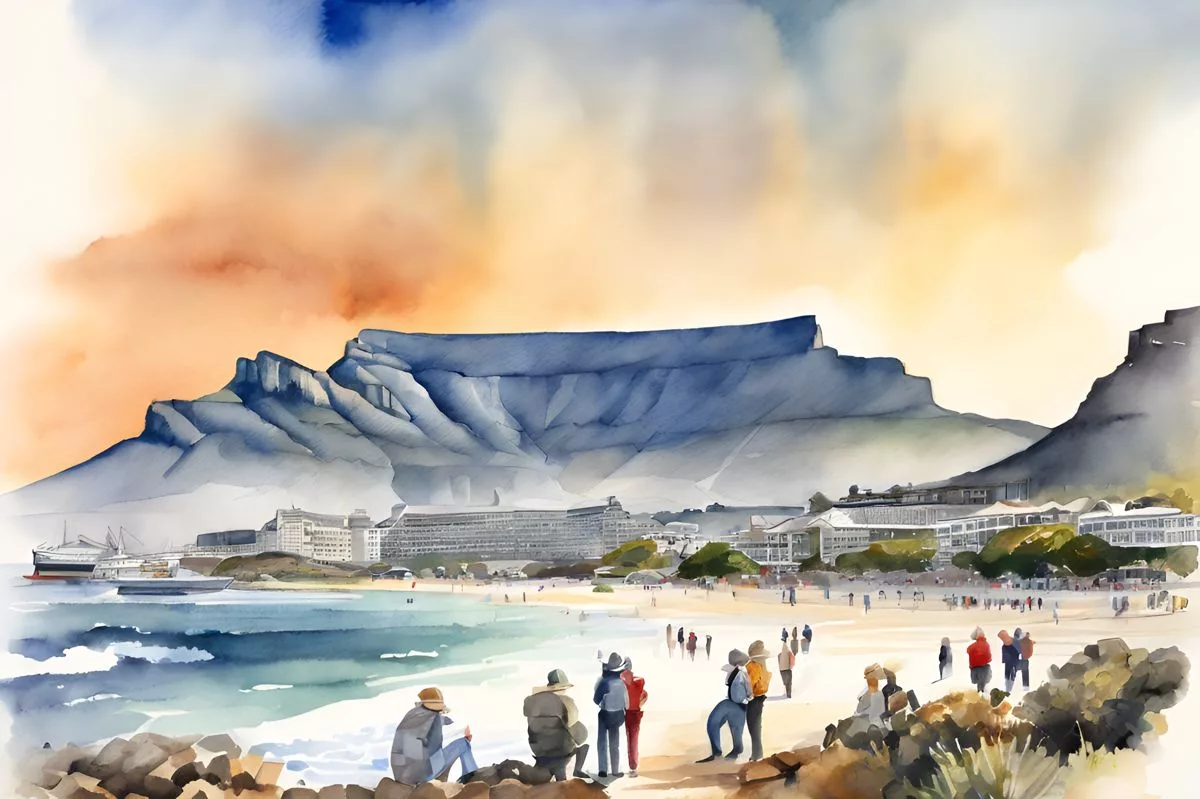
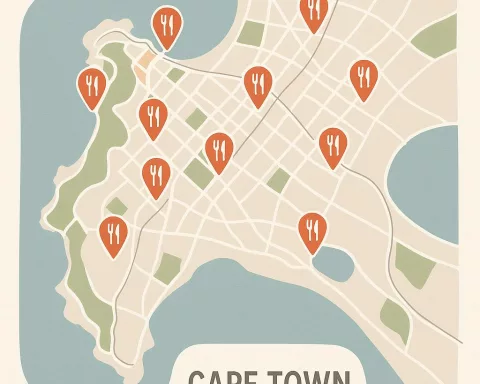
As dawn breaks over the grandeur of Table Mountain, bathing Cape Town in a comforting glow, the city is stirred by a unique form of change. The International Public Art Festival (IPAF), facilitated by Baz-Art, commences its yearly transformation, turning the city’s streets into a dynamic canvas for communication, expression, and interaction.
Baz-Art, a pioneering establishment founded in 2016, is the catalyst for this groundbreaking transformation. Melissa Cucci, the co-founder and artistic director of Baz-Art and IPAF, views art as a tool that can actively shape society, rather than merely reflecting it.
The Evolution of Placemaking: Art as a Tool for Community Building
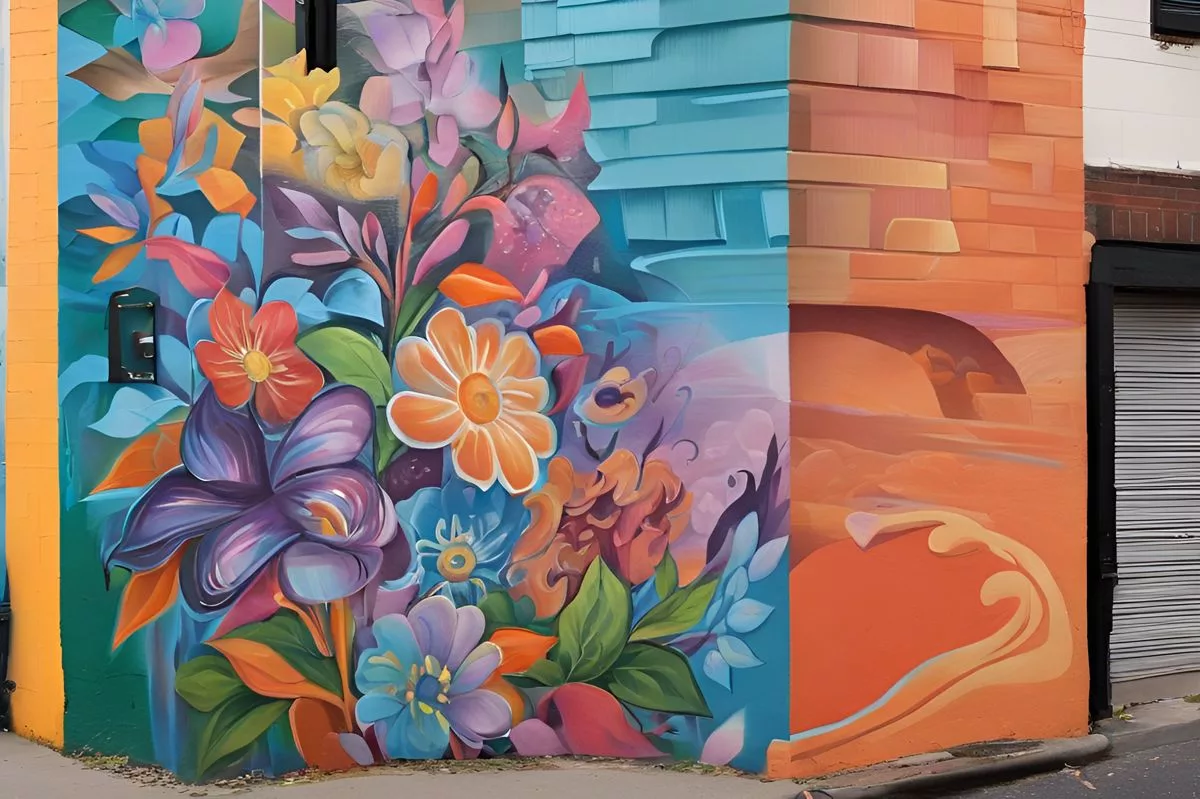
The festival’s purpose transcends the boundaries of artistic creativity to adopt the principle of ‘placemaking’. This term, introduced by Baz-Art, encapsulates their revolutionary approach. Placemaking aims to convert public areas into vibrant community centers with the help of art. It’s a call to every wall, street, and corner to become a medium for conversation and potential change.
This year, the festival begins in the lush haven of The Company’s Garden and gradually spreads across Cape Town’s bustling business district. It provides the public with an immersive experience where art and city life merge. By rejuvenating neglected areas, placemaking goes beyond creating art by promoting safety, economic progress, and cultural interchange, transforming each venue into a beacon of transformation and community involvement.
A shining example of this innovative method is the iThemba Walkway located in the center of Gugulethu. This public area embodies Baz-Art’s philosophy. It acts as an inclusive platform that promotes dynamic, cooperative growth, inviting a multitude of voices and demonstrating how public art can stimulate community welfare and unity.
The Impact of Placemaking: Enhancing Urban Spaces
Baz-Art’s placemaking doesn’t just elevate the visual appeal of urban environments, but also boosts their safety and comfort. It has significantly affected communities by generating employment, encouraging local tourism, and honoring cultural heritage.
Baz-Art’s initiatives have proven that public art and placemaking aren’t solely about beautifying spaces. These projects ignite social interaction, improve urban safety, and instigate economic growth. They serve as powerful instruments for community development and social reform, acting as a catalyst for a more approachable, secure, and engaging community.
Shaping the Future: The Transformative Power of Art
Since its establishment, IPAF has acted as a platform for street artists to display their abilities and for communities to interact with art in a meaningful and accessible manner. Each year, it adds a fresh chapter to the city’s tale, converting Cape Town’s urban landscape into a canvas for cultural discourse and community advancement.
This transformation transcends the creation of art. It’s about envisaging a future, or as Cucci phrases it, shaping it “one brushstroke at a time.” It’s about envisioning a world where creativity and community collaboration intertwine, weaving an urban tapestry that narrates a story of change, growth, and vibrant potential.
As Cape Town eagerly anticipates the commencement of the eighth International Public Art Festival, the city stands as a testament to art’s transformative powers. This celebration of public art and placemaking redefines spaces, giving a voice to untold stories, and nurturing a sense of community. Through the power of art, Baz-Art is not only transforming Cape Town but also shaping the future.
In this lively city at the southernmost tip of Africa, where the mountain meets the sea, the International Public Art Festival promises to deliver more than just art. It presents a chance for change, transforming every wall, street, and corner into a meaningful conversation, shaping the future one brushstroke at a time.
What is Baz-Art’s International Public Art Festival in Cape Town?
Baz-Art’s International Public Art Festival in Cape Town is an annual event that uses art as a tool for placemaking, converting neglected public areas into vibrant community centers.
What is placemaking?
Placemaking, introduced by Baz-Art, aims to convert public areas into vibrant community centers with the help of art. It goes beyond creating art by promoting safety, economic progress, and cultural interchange, transforming each venue into a beacon of transformation and community involvement.
What impact does Baz-Art’s placemaking have on urban spaces?
Baz-Art’s placemaking doesn’t just elevate the visual appeal of urban environments, but also boosts their safety and comfort. It has significantly affected communities by generating employment, encouraging local tourism, and honoring cultural heritage.
What is the purpose of IPAF?
IPAF acts as a platform for street artists to display their abilities and for communities to interact with art in a meaningful and accessible manner. It adds a fresh chapter to the city’s tale, converting Cape Town’s urban landscape into a canvas for cultural discourse and community advancement.
How does art transform communities?
Baz-Art’s initiatives have proven that public art and placemaking ignite social interaction, improve urban safety, and instigate economic growth. They serve as powerful instruments for community development and social reform, acting as a catalyst for a more approachable, secure, and engaging community.
What is the future of public art and placemaking in Cape Town?
Through the power of art, Baz-Art is not only transforming Cape Town but also shaping the future one brushstroke at a time. The International Public Art Festival redefines spaces, giving a voice to untold stories, and nurturing a sense of community.