
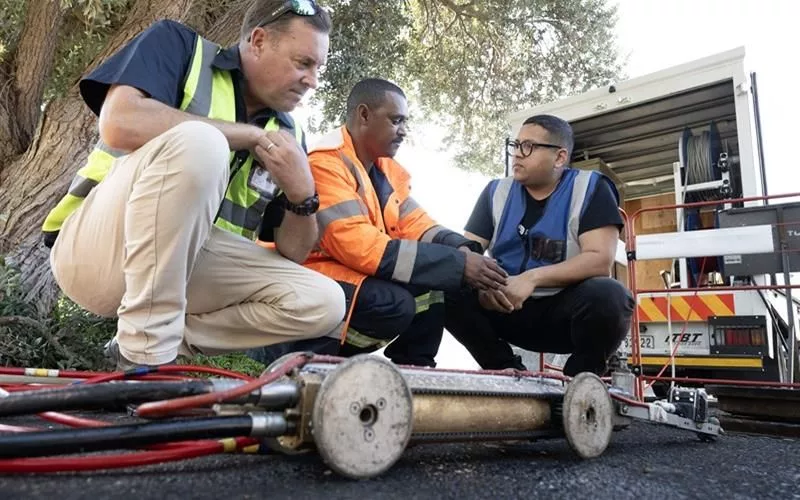
In 2025, Cape Town transformed its sewer system by replacing over 117 kilometers of old pipes, beating their goal by 17%. Using smart technology and careful planning, the city made the sewer network stronger, safer, and more reliable for everyone. This upgrade helps prevent messy pipe bursts, protects public health, and supports growing neighborhoods, especially those long overlooked. Beneath the busy streets, a quiet revolution is happening – one that promises a cleaner, healthier, and more vibrant Cape Town for years to come.
What improvements have been made in Cape Town’s sewer infrastructure?
Cape Town upgraded over 117 kilometers of aging sewer pipelines in 2025, surpassing targets by 17%. The renewal improved service reliability, reduced pipe bursts, and enhanced public health. Key features include trenchless technology, targeted equity investments, and a preventive maintenance approach for sustainable sanitation.
Breaking New Ground: Exceeding Ambitious Goals
Cape Town’s mornings often begin with the hum of city life echoing off Table Mountain, but few pause to consider the labyrinth beneath their feet. Here, away from the city’s daily bustle, dedicated teams have orchestrated a quiet overhaul of the most fundamental of urban systems: the sewer network. In 2025, this underground world became the focus of a remarkably successful initiative, as the Water and Sanitation Directorate not only met but impressively surpassed their own expectations.
Over the course of the year, workers and engineers collaborated to replace more than 117 kilometers of aging sewer pipeline. This achievement – 117,209 meters in total – exceeded the original target by 17%, a leap that reflects both precise planning and tireless effort. Such infrastructure milestones rarely capture public imagination, but they form the backbone of reliable water sanitation for Cape Town’s millions of residents, ensuring a cleaner, safer environment with every section renewed.
This accomplishment reverberates far beyond spreadsheets and project boards. Residents across the city can now rely on smoother, more robust water services, while the threat of pipe bursts and sewage spills recedes. The city’s investment in its foundations offers immediate practical benefits: less disruption, lower maintenance costs, and a safer, healthier atmosphere for all Capetonians.
From Colonial Pipelines to 21st Century Solutions
Understanding the scale of Cape Town’s recent upgrade requires a glance into the city’s past. More than a century ago, the first formal sewer systems snaked beneath South African soil, constructed from brick and clay in an era fascinated with urban progress. These pipes echoed the designs popular in Victorian England, prioritizing hygiene and public health in rapidly growing cities.
Yet time has not been kind to these early networks. Decades of use and expansion have left sections of the system vulnerable to decay and failure. Rather than reacting to emergencies as they arise, city officials chose a preventive approach rooted in thorough assessment. Experts analyzed the metropolitan area, identified weak points, and crafted a comprehensive plan – replacing crisis management with strategic renewal.
This new philosophy borrows from the clean lines and functionality of Bauhaus-era architecture, but applies it underground. The city’s leadership insists on infrastructure that serves both form and function, laying the groundwork for a future where water and waste flow unseen, but uninterrupted, beneath Cape Town’s surface.
Operational Excellence: Precision in Action
Executing a citywide sewer upgrade is no small feat. Each project phase required careful coordination, technical expertise, and constant communication with the public. From the dense neighborhoods of Khayelitsha to leafy Constantia, teams encountered logistical puzzles at every turn. Narrow streets, shifting soil conditions, and the need to maintain daily services added layers of complexity to an already challenging mission.
Workers dug trenches and installed pipes using a mix of manual skill and advanced machinery. They did so while ensuring minimal interruption to residents – an essential consideration in areas where even a short loss of service can cause chaos. The city invested over R523 million in this infrastructure renewal, an amount that underscores the seriousness of its commitment to public well-being.
Zahid Badroodien, the city’s Mayoral Committee Member for Water and Sanitation, summarized the impact succinctly: “Having a strengthened sewer system makes a major difference in everyday life, as the integrity of pipe infrastructure is fundamental to reducing pipe bursts and sewer overflows.” His statement highlights the blend of technical achievement and public value at the heart of this initiative. Every pipe replaced not only resolves a potential crisis, but also affirms the city’s promise to its residents.
On the Ground: Stories of Ingenuity and Community
Beneath the statistics and strategy, the sewer renewal project unfolds as a series of human stories. In Mitchells Plain, foreman Sipho and his crew start their day before sunrise, reviewing plans over hot tea. Recently, a collapsed pipe threatened homes near a major intersection, prompting anxious calls from residents. Sipho’s team managed to repair the damage before nightfall, restoring normalcy and earning the thanks of relieved families. These acts of service, repeated daily, bring the city’s technical ambitions to life.
Elsewhere, innovation takes center stage. In Sea Point, engineers introduced a trenchless pipe replacement technique – slipping a resin-lined sleeve into old pipes, inflating it, and curing it with ultraviolet light. This method, adapted from European practice, minimizes disruption and accelerates repairs, allowing Cape Town to leap forward technologically. Residents witness less construction noise and fewer road closures, all while benefiting from modern, durable infrastructure.
Despite these advances, the city continues to grapple with the challenge of misuse. Items ranging from rags and plastic packaging to construction debris frequently clog the pipes, causing preventable blockages and costly fixes. The Water and Sanitation Directorate has cataloged some truly surprising finds in the network – testament to the ongoing need for public education about responsible waste disposal.
Equity, Sustainability, and the Path Forward
Cape Town’s commitment to modernization extends beyond technical upgrades. Recognizing the city’s divided history, planners have prioritized investment in neighborhoods long neglected under apartheid-era planning. Informal settlements and previously marginalized communities have received targeted attention, reflecting a push toward greater equity in service delivery.
This approach draws inspiration from global examples of urban renewal, such as Medellín’s public transit revolution or Mumbai’s slum sanitation programs. By focusing resources where they are needed most, Cape Town seeks to bridge longstanding gaps and deliver consistent, high-quality sanitation for all residents.
The city’s renewed sewer system also positions it for future challenges. As urban populations grow and climate change intensifies, reliable infrastructure becomes ever more vital. Economists note that every rand spent on sanitation returns multiple times its value in health, property, and productivity gains. Cape Town’s steady progress throughout the 2024/2025 fiscal year signals a city ready to meet tomorrow’s demands head-on.
Recognizing the Invisible Heroes
Urban infrastructure often remains out of sight and out of mind until something goes wrong. Yet in Cape Town, a new spirit of civic pride has begun to emerge around the city’s underground arteries. Community events now celebrate the science and artistry of modern engineering, inviting residents to learn about the intricate systems that keep the city running smoothly.
This cultural shift reflects a growing understanding that public works are not just technical achievements, but vital expressions of collective care and ambition. As Cape Town’s upgraded sewers quietly support the daily lives of millions, they stand as a testament to what cities can accomplish when vision, investment, and community engagement come together.
In the end, the transformation beneath Cape Town’s streets serves as both a practical success and a symbol of renewal. Through careful planning, innovative technology, and a commitment to equity, the city has not only met its infrastructure goals but also crafted a foundation for a healthier, more vibrant urban future.
FAQ: Cape Town’s Sewer Infrastructure Transformation
What were the key achievements of Cape Town’s 2025 sewer upgrade project?
In 2025, Cape Town replaced over 117 kilometers (117,209 meters) of aging sewer pipes, surpassing their original target by 17%. This extensive renewal improved the reliability of the sewer system, significantly reduced pipe bursts and sewage spills, and enhanced public health and safety. The project incorporated advanced trenchless technologies and a preventive maintenance approach, resulting in a stronger, more resilient infrastructure that supports the city’s growth and sustainability goals.
How does the new sewer system benefit Cape Town residents?
The upgraded sewer infrastructure helps prevent disruptive pipe bursts and sewage overflows, which in turn protects public health by reducing contamination risks. It supports growing and historically underserved neighborhoods by providing reliable sanitation services, thereby improving living conditions citywide. Additionally, the modernization reduces maintenance costs and minimizes service interruptions, contributing to a cleaner, healthier, and more vibrant urban environment.
What innovative technologies were used in the sewer system upgrade?
Cape Town employed cutting-edge trenchless pipe replacement techniques, including a method where engineers insert resin-lined sleeves into existing pipes, then cure them with ultraviolet light. This European-adapted technology allows for faster repairs and upgrades with minimal excavation, reducing road closures, noise, and disruption for residents. The integration of smart technology also enhances monitoring and maintenance, enabling the city to proactively address weak points before failures occur.
How did Cape Town address equity in this infrastructure project?
Recognizing historical inequalities, the project prioritized investments in informal settlements and neighborhoods previously neglected under apartheid-era planning. By focusing resources on these areas, Cape Town aimed to bridge service gaps and ensure all residents have access to safe and reliable sanitation. This approach aligns with global urban renewal examples and demonstrates the city’s commitment to social equity alongside technical improvement.
What challenges remain despite the sewer system upgrades?
Cape Town continues to face issues with sewer blockages caused by improper disposal of items like rags, plastics, and construction debris. These materials clog pipes and cause preventable disruptions and costly repairs. Ongoing public education campaigns are essential to encourage responsible waste disposal. Additionally, maintaining and expanding the infrastructure to keep pace with urban growth and climate change impacts remains an ongoing priority.
Why is investing in sewer infrastructure important for Cape Town’s future?
Reliable sewer infrastructure is fundamental to public health, environmental protection, and economic productivity. Every rand invested in sanitation infrastructure yields multiple returns through improved health outcomes, increased property values, and enhanced productivity. With climate change increasing the risk of extreme weather events, resilient sewer systems help safeguard the city against flooding and pollution. Cape Town’s proactive renewal efforts position it to meet future challenges while fostering sustainable urban development.
If you want to learn more about Cape Town’s water and sanitation initiatives, visit the Water and Sanitation Directorate’s updates.